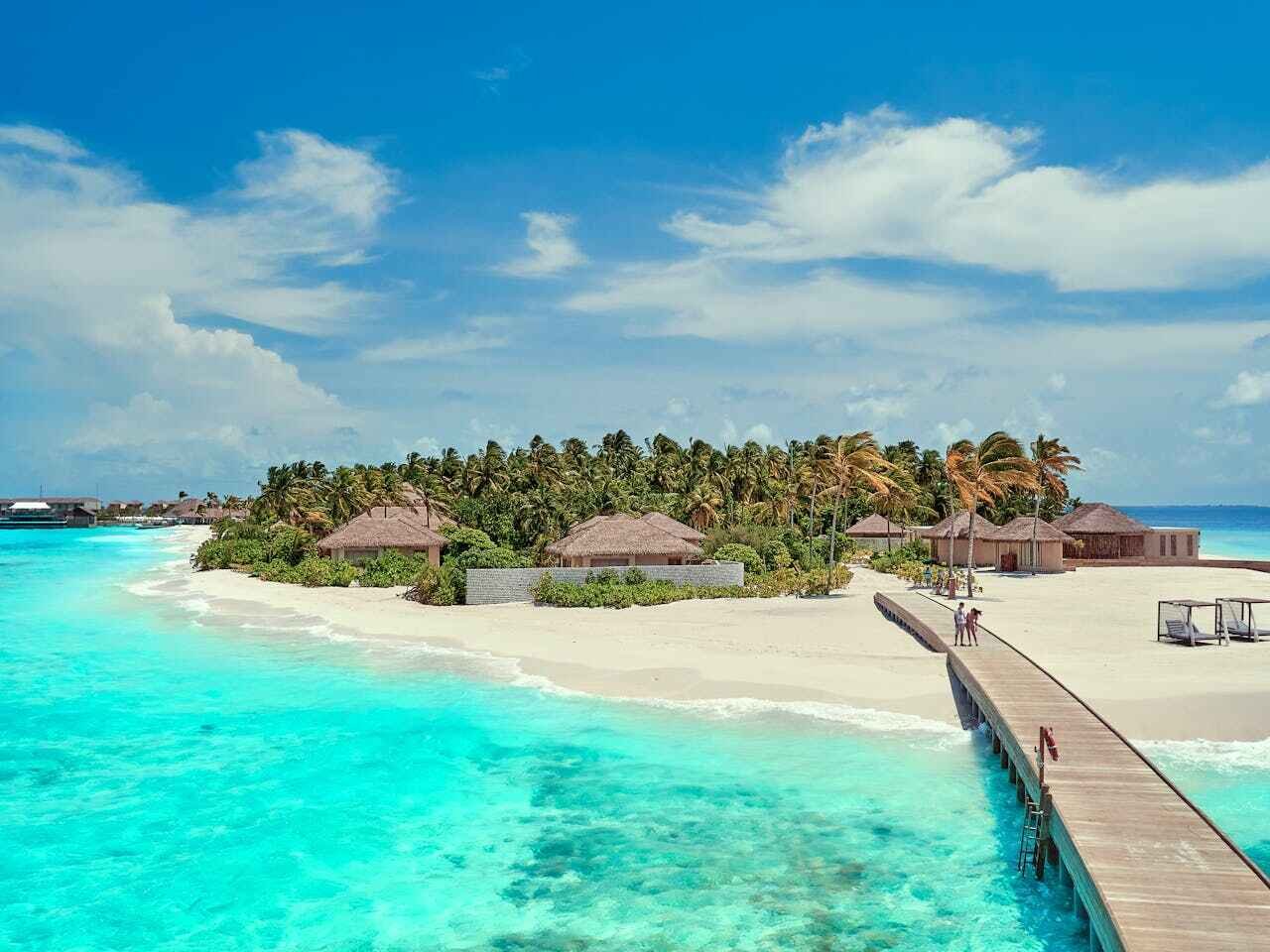
Picture a string of luminous pearls scattered across the endless sapphire expanse of the Indian Ocean. That is the Maldives. With its powdery white-sand beaches, overwater bungalows, and vibrant coral reefs, it is the undisputed heavyweight champion of tropical luxury. But before you pack your favorite swimsuit and book that flight, a crucial question emerges: when is the absolute best time to visit Maldives island?
The truth is, there is no single “perfect” time that applies to everyone. Your ideal window depends entirely on what you are seeking—be it uninterrupted sunshine for a flawless honeymoon, epic swells for surfing, seasonal plankton blooms for diving with manta rays, or strategic off-season discounts to protect your wallet.
This comprehensive guide will break down the Maldivian climate, explore what every single month has to offer, and help you pinpoint the exact right time for your dream vacation.
📌 Quick Takeaways: When to Go
- Best weather (Peak Season): December to April (High sunshine, low humidity, clear skies).
- Best time for budget travelers: May to October (Lower resort prices, fewer crowds).
- Best time for scuba diving & snorkeling: January to April (Maximum underwater visibility).
- Best time for surfing: March to October (Biggest swells and consistent waves).
- Best time to see Manta Rays & Whale Sharks: August to November (Plankton-rich waters attract gentle giants).
Decoding the Maldivian Climate: The Two Main Seasons
The Maldives enjoys a warm, tropical climate year-round, with average temperatures hovering comfortably between 25°C and 31°C (77°F to 88°F). However, the archipelago’s weather is governed by two distinct monsoons that drastically alter the atmosphere, water conditions, and pricing.
The Dry Season: Northeast Monsoon (December to April)
If you close your eyes and imagine the quintessential Maldivian postcard, you are picturing the dry season. The skies are a brilliant, unbroken blue. The ocean is as calm as a swimming pool, and the humidity drops to its most comfortable levels.
- The Vibe: Energetic, bustling, and luxurious.
- The Catch: This is peak tourist season. Resorts are at their highest capacity, and prices for flights, villas, and excursions skyrocket.
The Wet Season: Southwest Monsoon (May to November)
Don’t let the word “wet” frighten you away. The Maldivian rainy season rarely means days of endless, gloomy drizzle. Instead, you can expect dramatic, short-lived tropical downpours—often in the late afternoon or overnight—followed by glorious bursts of sunshine.
- The Vibe: Relaxed, tranquil, and surprisingly vibrant.
- The Catch: Unpredictable weather and slightly reduced underwater visibility due to nutrient-rich plankton blooms (though this same plankton brings out the incredible marine megafauna).
A Comprehensive Month-by-Month Travel Guide
To truly understand the rhythm of the islands, we must dive into the specific personality of each month. Here is your month-by-month breakdown.
January: The Golden Month
January is the undisputed king of sunshine. Right in the heart of the peak season, the weather is phenomenally stable. The days are hot, the humidity is completely manageable, and the ocean visibility is crystalline. It is a fantastic time to shake off the winter blues, making it incredibly popular—and expensive. Booking months in advance is non-negotiable.
February: The Driest Escape
Statistically the driest month of the year across the atolls. February offers an astonishingly high number of daily sunshine hours. The waters are remarkably calm, creating mirror-like reflections of the sky. For underwater photographers and casual snorkelers alike, the conditions are practically flawless.
March: The Heat Rises
As the dry season begins to reach its twilight, temperatures slowly begin to climb, making March one of the hottest months. The balmy evenings are perfect for romantic beachfront dinners. Surfers will also note that the first swells of the surfing season begin to form in the southern atolls during this time.
April: The Transitional Sweet Spot
April walks the line between the two seasons. The weather remains mostly clear and beautifully warm, but the humidity starts to creep up, and the chance of a rogue, refreshing shower increases toward the end of the month. Because the water temperatures are at their warmest, it is arguably the best month of the year for scuba diving before the monsoon winds stir up the ocean floor.
May: The Turning of the Tide
May officially kicks off the Southwest Monsoon. The atmosphere shifts. The winds pick up, bringing with them a higher likelihood of thunderstorms. However, this is also when sea turtles begin arriving on pristine beaches to lay their eggs. If you are an adventurous traveler who doesn’t mind a bit of rain in exchange for witnessing nature at work (and scoring lower room rates), May holds a unique charm.
June: The Plankton Bloom
Rainfall is common, but so are significant discounts on luxury overwater villas. Under the surface, growing clouds of plankton reduce visibility for divers, but they act as a dinner bell for marine life. Huge, majestic whale sharks and graceful manta rays begin to congregate, turning the ocean into a dynamic underwater safari.
July: Swells and Celebrations
July is hot, highly humid, and interspersed with regular, intense showers. However, it is a surfer’s paradise. The swells are massive, particularly around the central and northern atolls. On land, the Maldives celebrates its Independence Day on July 26th, marked by vibrant parades, local festivities, and a palpable sense of national pride.
August: The Budget Traveler’s Secret
While the rainy season intensifies, August often sees a slight dip in rainfall compared to the surrounding months, especially in the northern atolls. It sits right in the middle of the low season, offering some of the most competitive pricing of the year. If you are willing to embrace the occasional afternoon storm from the comfort of a private hot tub, August is a strategic choice.
September: The Peak of the Rains
September typically claims the title of one of the wettest months. Downpours can be heavy and prolonged. Resort islands are quiet, serene, and deeply discounted. This is the time for travelers who want to disappear from the world, read a book on a covered deck, enjoy luxurious spa treatments, and listen to the dramatic sound of rain hitting the ocean.
October: The Manta Ray Magic
October is often a statistical tie with September for rainfall, but it marks the absolute peak for spotting manta rays and whale sharks, particularly in places like Hanifaru Bay in the Baa Atoll. The nutrient-dense waters are teeming with life. For hardcore marine enthusiasts, the weather above the surface is entirely secondary to the magic happening below.
November: The Awakening
The winds shift once more. November is a transitional month where the rainy season breathes its last heavy sighs, and the dry season begins to assert dominance. Showers dry up, the skies clear, and prices steadily begin their upward climb. It is an excellent time to visit if you want to beat the massive December crowds while enjoying vastly improved weather.
December: The Festive Rush
December brings back the picture-perfect weather. It is sunny, hot, and dry. However, the latter half of the month—surrounding Christmas and New Year’s Eve—is the most expensive and crowded time to visit the Maldives. Resorts host lavish gala dinners and spectacular fireworks displays. If you want a tropical holiday celebration, this is it.
📊 Maldives Climate Overview (At a Glance)
| Month | Avg. Temp (°C) | Avg. Temp (°F) | Avg. Rainfall (mm) | Season |
|---|---|---|---|---|
| January | 27°C – 30°C | 81°F – 86°F | 90mm | High / Dry |
| February | 27°C – 31°C | 81°F – 88°F | 68mm | High / Dry |
| March | 28°C – 31°C | 82°F – 88°F | 81mm | High / Dry |
| April | 28°C – 32°C | 82°F – 90°F | 129mm | High / Transition |
| May | 28°C – 31°C | 82°F – 88°F | 211mm | Low / Wet |
| June | 27°C – 30°C | 81°F – 86°F | 183mm | Low / Wet |
| July | 27°C – 30°C | 81°F – 86°F | 161mm | Low / Wet |
| August | 27°C – 30°C | 81°F – 86°F | 183mm | Low / Wet |
| September | 27°C – 30°C | 81°F – 86°F | 213mm | Low / Wet |
| October | 27°C – 30°C | 81°F – 86°F | 229mm | Low / Wet |
| November | 27°C – 30°C | 81°F – 86°F | 192mm | Shoulder / Transition |
| December | 27°C – 30°C | 81°F – 86°F | 198mm | High / Dry |
The Best Time to Visit for Your Specific Travel Style
💍 For Honeymooners & Couples
Best Months: December to March
You are paying for perfection, and during these months, the Maldives delivers. The lack of rain ensures that private sandbank picnics, sunset dolphin cruises, and outdoor movie nights go off without a hitch.
🤿 For Scuba Divers
Best Months: January to April (for visibility) OR August to November (for megafauna)
Divers must make a choice. If your priority is seeing colorful coral reefs with 30+ meters of visibility, stick to the dry season. If you are hunting for interactions with massive whale sharks and swirling vortexes of manta rays, brave the rainy season when the plankton is thickest.
🏄 For Surfers
Best Months: March to October
Unlike standard tourism, surfing in the Maldives peaks during the wet season. The Roaring Forties (strong winds in the southern hemisphere) send massive swells toward the archipelago. The Northern and Central atolls see the best waves between May and October, while the Southern Atolls get early swells in March and April.
🎒 For Budget-Conscious Explorers
Best Months: May, September, and October
Let’s be honest—the Maldives is never strictly “cheap.” But visiting during the peak of the monsoon season can literally cut resort and flight prices in half compared to Christmas week. Look out for “stay 7 nights, pay for 5” deals and complimentary meal plan upgrades that resorts offer to lure off-season travelers.
Experiencing Local Culture: Festivals and Events
Resort islands operate in a bit of a bubble, but if you spend time in Malé or stay in a local island guesthouse, you can experience the Maldives’ rich Islamic culture.
- Ramadan: The holy month of fasting (dates shift annually based on the lunar calendar). While resorts serve alcohol and food normally, local islands will be quiet during the day, with cafes closed until sunset.
- Eid al-Fitr: Marking the end of Ramadan, this is a joyous time of feasting, music, and community gatherings across all local islands.
- Independence Day (July 26th): Expect marching bands, school parades, and brightly decorated streets in the capital city of Malé.
What to Pack for Your Maldivian Getaway
Regardless of when you visit, the Maldives is a casual, barefoot-luxury destination.
- Dry Season Needs: High-SPF reef-safe sunscreen, polarized sunglasses, light linen clothing, and wide-brimmed hats.
- Wet Season Needs: A lightweight, breathable rain jacket, dry bags for your electronics during boat transfers, and extra books or indoor entertainment for stormy afternoons.
- Year-Round: Modest clothing covering shoulders and knees if you plan to visit local inhabited islands, as a sign of respect for local customs.
Final Thoughts: Your Island, Your Rules
The Maldives is not just a destination; it is a feeling. Whether you decide to chase the flawless, sun-drenched days of February, catch the epic surfing swells of July, or embrace the romantic, budget-friendly tranquility of September, your island escape will be nothing short of extraordinary. Ultimately, the absolute best time to visit Maldives island is simply the time that perfectly aligns with your deepest travel desires and budget.
So, are your bags packed yet?
If you are still mapping out your ultimate world tour, do not let the inspiration stop here! Whether you are craving the lush, spiritual jungles of Bali, the historic, vibrant streets of London and Amsterdam, or a classic road trip through California, explore our other comprehensive travel guides to keep your wanderlust alive.
Drop a comment below telling us which month you would choose for your Maldivian getaway, and let’s get you ready for takeoff!
Frequently Asked Questions
What is the hottest month in the Maldives?
March and April take the crown as the hottest months. Daytime temperatures regularly exceed 30°C (86°F), and the ocean water feels like a warm bath.
Is it worth going to the Maldives in the rainy season?
Absolutely. The rain rarely falls continuously for days. You will still experience plenty of sunshine, enjoy significantly lower prices, and have the best chance of spotting rare marine life like manta rays.
When is the worst time to visit the Maldives?
If your sole goal is uninterrupted sunbathing, September and October are the riskiest months, as they historically receive the highest volume of rainfall and the most unsettled weather.
How far in advance should I book my trip?
If you are planning to travel during the peak dry season (December to April), you should book at least 6 to 9 months in advance to secure the best villas and flight routes. For the low season, 3 to 4 months is usually sufficient.
1 thought on “The Best Time to Visit Maldives Island: Complete Weather & Travel Guide”