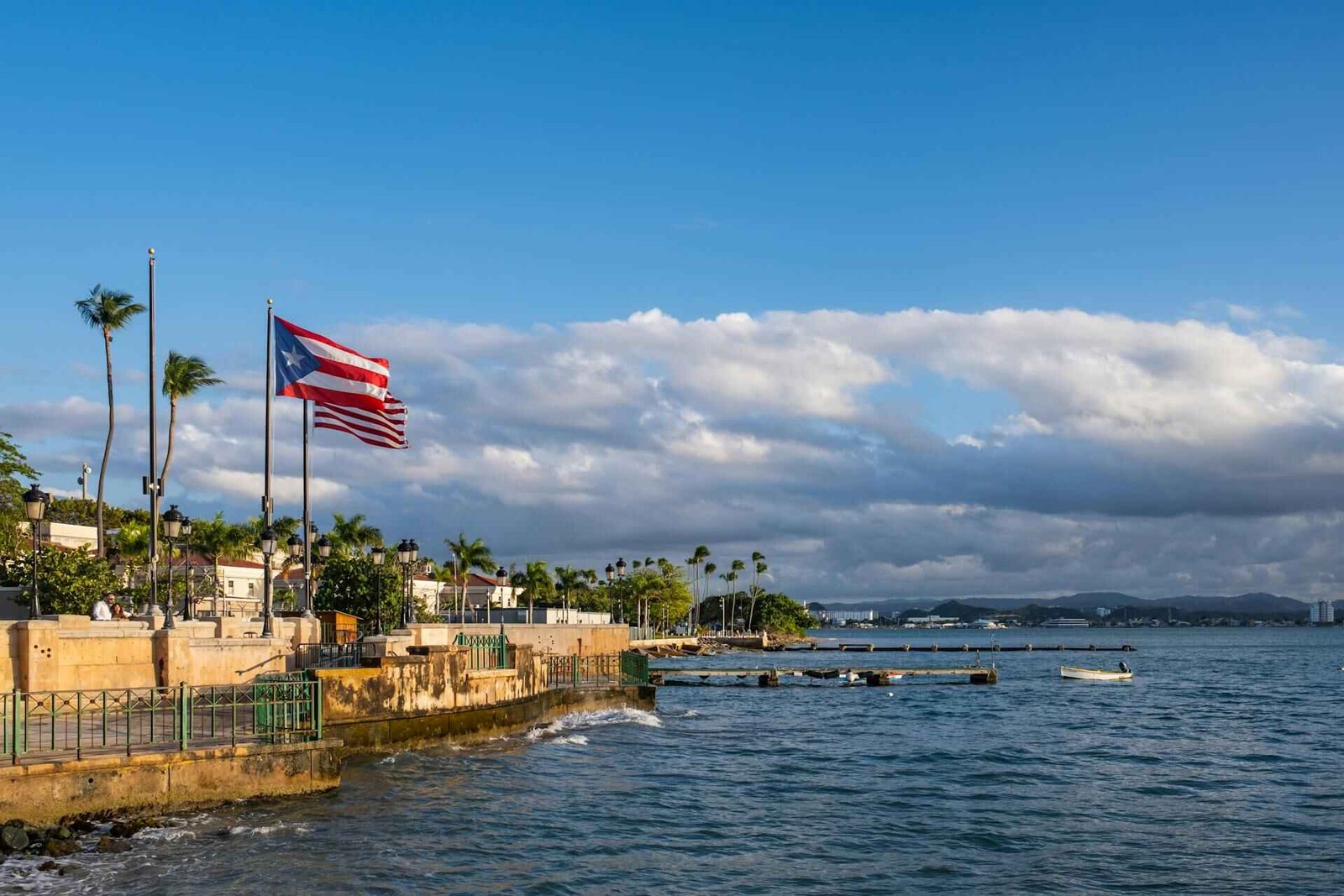
Puerto Rico is a captivating paradox. It’s a place where centuries-old Spanish forts stand in the shadow of modern skyscrapers, and dense, untamed rainforests give way to bioluminescent bays. You might be wondering, with year-round tropical warmth, does it really matter when you pack your bags?
The short answer is: absolutely.
While the thermometer might rarely dip below 75°F (24°C), the island’s rhythm dramatically shifts depending on the month. Weather patterns fluctuate, accommodation prices surge and plummet, and the cultural calendar transforms. Whether you are hunting for the ultimate bargain, chasing the perfect surfing wave, or simply trying to avoid hurricane season, timing your trip is the most crucial decision you will make.
This comprehensive guide goes beyond the basic “high season vs. low season” advice. We are breaking down everything you need to know about the best time to travel to Puerto Rico—covering micro-climates, traveler types, and a deep month-by-month analysis.
The TL;DR: Quick Answers for Your Itinerary
Don’t have time to read the full breakdown right now? Here is your quick cheat sheet:
- Best Time for Perfect Weather: Mid-December to mid-April. You’ll experience minimal rainfall, comfortable humidity, and endless sunshine.
- Best Time for Budget Travelers: September to November. Flights and hotel rates hit their annual lows.
- Best Time to Avoid the Crowds: Late August to November. The beaches are yours, though you must keep an eye on weather forecasts.
- The “Sweet Spot” (Shoulder Season): Mid-April to June. The winter crowds have dispersed, but the heavy summer rains haven’t quite started. Prices are reasonable, and the weather is still spectacular.
Decoding Puerto Rico’s Travel Seasons
To truly understand how to plan your Caribbean escape, you must master the three distinct travel seasons of Puerto Rico.
The High Season (Mid-December to Mid-April)
When blizzards strike North America and Europe, travelers flee to the sun-drenched shores of San Juan. This is the island’s undisputed peak season.
- The Vibe: Energetic, bustling, and vibrant. Restaurants require reservations, and popular spots like El Yunque National Forest see high foot traffic.
- The Weather: Perfection. Humidity levels drop to their most comfortable range, and the days are kissed by consistent, cooling trade winds. Rain is brief and infrequent.
- The Catch: Premium pricing. Expect to pay top dollar for flights, resorts, and rental cars.
The Shoulder Season (Mid-April to June)
If you ask seasoned travelers when they prefer to visit, most will point to the shoulder season. It bridges the gap between the chaotic winter rush and the sweltering summer heat.
- The Vibe: Relaxed. The snowbirds have flown back north, leaving plenty of space on the sands of Flamenco Beach.
- The Weather: Temperatures inch upward, usually hovering in the mid-to-high 80s (Fahrenheit). You might encounter quick afternoon showers, but they rarely disrupt an entire day of exploration.
- The Catch: Spring breakers can occasionally cause mini-surges in prices and crowds during April.
The Low Season / Hurricane Season (July to November)
Let’s address the elephant in the room: Hurricane season officially runs from June 1st to November 30th, peaking in August and September. However, don’t let this entirely deter you.
- The Vibe: Quiet, authentic, and local. This is when you can truly connect with the island’s residents without the filter of mass tourism.
- The Weather: Hot, humid, and unpredictable. Afternoon thunderstorms are common. While direct hurricane strikes are statistically rare, tropical depressions and heavy rainfall are regular visitors.
- The Catch: Weather risks. You must be flexible and invest in comprehensive travel insurance. Some smaller boutique hotels and tour operators may also close for renovations during this period.
The Ultimate Month-by-Month Puerto Rico Guide
To plan the perfect itinerary, you need granular detail. Here is exactly what to expect in Puerto Rico, month by month. For a quick overview of what to expect, here is a breakdown of Puerto Rico’s average temperatures, rainfall, and seasonal categorization throughout the year.
| Month | Average High | Average Low | Average Rainfall | Season Category |
|---|---|---|---|---|
| January | 83°F (28°C) | 70°F (21°C) | 3.8 inches | ☀️ High Season |
| February | 84°F (29°C) | 71°F (22°C) | 2.5 inches | ☀️ High Season |
| March | 85°F (29°C) | 72°F (22°C) | 2.8 inches | ☀️ High Season |
| April | 86°F (30°C) | 73°F (23°C) | 4.6 inches | 🌤️ Shoulder Season |
| May | 88°F (31°C) | 75°F (24°C) | 5.9 inches | 🌤️ Shoulder Season |
| June | 89°F (32°C) | 76°F (24°C) | 4.4 inches | 🌤️ Shoulder Season |
| July | 90°F (32°C) | 77°F (25°C) | 5.6 inches | 🌧️ Low Season |
| August | 90°F (32°C) | 77°F (25°C) | 6.3 inches | 🌀 Hurricane Peak |
| September | 89°F (32°C) | 76°F (24°C) | 5.8 inches | 🌀 Hurricane Peak |
| October | 89°F (32°C) | 76°F (24°C) | 5.6 inches | 🌧️ Low Season |
| November | 86°F (30°C) | 74°F (23°C) | 6.3 inches | 🌤️ Shoulder Season |
| December | 84°F (29°C) | 72°F (22°C) | 5.0 inches | ☀️ High Season |
January: The Peak of Perfection
January kicks off the year with a bang. The weather is dry, breezy, and pleasant, making it the ideal escape from winter gloom.
- Average Temperature: 70°F – 83°F (21°C – 28°C)
- Key Events: Fiestas de la Calle San Sebastián (Sanse). Held in Old San Juan, this massive street festival is Puerto Rico’s version of Mardi Gras, featuring live music, dancing, artisan markets, and endless local food.
- Travel Strategy: Book everything months in advance. From sunset cruises to your table at that trendy Condado restaurant, availability vanishes quickly.
February: Romance and Surf
The fantastic weather continues, but the ocean swells on the west coast (Rincón and Aguadilla) reach their absolute peak, making it a surfer’s paradise.
- Average Temperature: 71°F – 84°F (22°C – 29°C)
- Key Events: Festival del Frío in Adjuntas. Oddly enough, Puerto Ricans celebrate the “coldest” town on the island with this quirky, fun festival in the mountains.
- Travel Strategy: Perfect for Valentine’s Day escapes. Head to the offshore island of Vieques or Culebra for secluded, romantic beaches.
March: The Spring Break Rush
March remains well within the dry season, but the dynamic changes slightly as colleges and schools go on break.
- Average Temperature: 72°F – 85°F (22°C – 29°C)
- Key Events: Puerto Rico Heineken JazzFest. A must-attend for music lovers, drawing international and local Latin jazz talent.
- Travel Strategy: If you want to avoid partying students, steer clear of the main resort strips in San Juan. Opt instead for the quieter southern coast, like the charming city of Ponce.
April: The Sweet Spot Begins
April is a transitional month. The first half still feels like the busy high season, but by late April, the crowds noticeably thin out, and hotel prices begin a downward trend.
- Average Temperature: 73°F – 86°F (23°C – 30°C)
- Key Events: Saborea Puerto Rico. The premier culinary extravaganza of the Caribbean, showcasing the island’s best chefs, rum tastings, and incredible gastronomy.
- Travel Strategy: Pack light layers. It’s starting to get warmer, but evening ocean breezes are still wonderfully cool.
May: Warm Waters and Wildflowers
May is the undisputed champion of the shoulder season. The ocean water warms up perfectly for snorkeling, and the island’s flora bursts into spectacular bloom.
- Average Temperature: 75°F – 88°F (24°C – 31°C)
- Key Events: Danza Week. Celebrated mostly in Ponce, honoring the elegant, classical Puerto Rican ballroom dance.
- Travel Strategy: This is arguably the best month to visit the Bioluminescent Bays (Mosquito Bay in Vieques is a top choice). The warmer waters increase the activity of the dinoflagellates that create the glowing effect.
June: The Heat Turns Up
Summer arrives, bringing higher humidity and the official start of hurricane season (though severe storms in June are quite rare).
- Average Temperature: 76°F – 89°F (24°C – 32°C)
- Key Events: Noche de San Juan. Celebrated on the eve of St. John the Baptist’s day. Locals flock to the beaches at midnight to plunge backward into the ocean seven times for good luck. You must experience this if you are on the island!
- Travel Strategy: Plan your outdoor activities—like hiking El Yunque—for the early morning to beat the midday heat and the predictable afternoon rain showers.
July: Summer Vacation Vibes
Local schools are out, meaning domestic tourism is high. Beaches will be packed with Puerto Rican families enjoying their summer holidays.
- Average Temperature: 77°F – 90°F (25°C – 32°C)
- Key Events: Festival de Santiago Apóstol in Loíza. A vibrant, deeply cultural afro-Caribbean festival featuring colorful vejigante masks, bomba music, and parades.
- Travel Strategy: Hydrate constantly. The sun is intense. Look for accommodations with robust air conditioning and easy pool access.
August: The Bargain Hunter’s Dream
August marks the beginning of the heavy rainy season and peak hurricane threat. Consequently, tourism plummets, taking prices down with it.
- Average Temperature: 77°F – 90°F (25°C – 32°C)
- Key Events: San Juan International Billfish Tournament. One of the oldest big-game fishing tournaments in the world.
- Travel Strategy: Keep your plans fluid. Don’t book non-refundable, rigid outdoor excursions. Enjoy the lush, green landscapes, and use the rainy afternoons to explore the museums and indoor historic sites of Old San Juan.
September: The Quietest Month
Statistically the rainiest and most hurricane-prone month in Puerto Rico. If you travel now, you are taking a calculated risk, but the rewards are completely empty beaches and rock-bottom prices.
- Average Temperature: 76°F – 89°F (24°C – 32°C)
- Key Events: Very few large-scale events due to the weather. It’s a time for quiet, indoor dining and local bar-hopping.
- Travel Strategy: Travel insurance with a “cancel for any reason” policy is absolutely mandatory.
October: Slow Transitions
The heavy rains continue, but toward the end of the month, the humidity slowly starts to break.
- Average Temperature: 76°F – 89°F (24°C – 32°C)
- Key Events: National Plantain Festival (Festival del Platano) in Corozal. Celebrate the island’s staple food with incredible local dishes like mofongo and tostones.
- Travel Strategy: Consider exploring the southern and southwestern coasts (like Cabo Rojo), which naturally receive less rainfall year-round compared to the north and the mountainous interior.
November: The Calm Before the Winter Rush
November is a fantastic, underrated time to visit. The hurricane threat is fading rapidly, the temperatures become noticeably more comfortable, and winter prices haven’t kicked in yet.
- Average Temperature: 74°F – 86°F (23°C – 30°C)
- Key Events: Discovery of Puerto Rico Day (November 19). Parades and local celebrations marking Columbus’s arrival on the island.
- Travel Strategy: This is a spectacular time for eco-tourism. The rainforests are intensely lush from the summer rains, and the waterfalls are flowing powerfully.
December: Let the Festivities Begin
Puerto Ricans famously boast about having the longest holiday season in the world, stretching from Thanksgiving well into mid-January. December is magical.
- Average Temperature: 72°F – 84°F (22°C – 29°C)
- Key Events: Holiday Lightings and Parrandas. Parades, traditional Christmas markets, and parrandas (the vibrant, loud, musical Puerto Rican version of Christmas caroling) take over the island.
- Travel Strategy: Book early. The first two weeks of December offer a tiny window of lower prices before the massive Christmas and New Year’s influx begins.
Tailoring the Trip: Best Time Based on Your Travel Style
Not everyone travels for the same reasons. Forget the calendar for a moment; let’s look at your specific travel persona.
1. The Digital Nomad and Remote Worker
If you are planning an extended “workcation,” aim for the shoulder seasons: May or November.
During these months, you avoid the premium rental prices of the winter, but you also dodge the severe storm threats that could knock out the power and Wi-Fi grid during late summer. You’ll enjoy a quiet environment to work during the day and beautiful, warm evenings to explore.
2. The Surfing Enthusiast
Puerto Rico isn’t called the “Hawaii of the Atlantic” for nothing. The northwest coast (Rincón, Aguadilla, and Isabela) catches massive swells from winter storms moving across the North Atlantic.
- The Best Time: November through March. * During this window, you will consistently find world-class breaks. If you are a beginner, summer offers much smaller, gentler waves.
3. The Foodie and Culture Seeker
To truly dive into the island’s gastronomy and culture, you want to align your trip with the major festivals.
- The Best Time: January (SanSe Festival) or April (Saborea Culinary Festival). * Old San Juan comes alive during these periods. Just be prepared to walk a lot and navigate through dense, joyous crowds.
4. The Budget Backpacker
If your primary goal is stretching your dollar, you must embrace the off-season.
- The Best Time: September and October.
- Yes, it will rain. But hostels, Airbnbs, and internal transport are incredibly cheap. You can eat like a king at local kioskos (food stands) without the tourist markups.
Puerto Rico’s Micro-Climates: Location Matters
Here is a secret that many generic travel guides miss: Puerto Rico has dramatic regional climate differences. Knowing where to go is just as important as knowing when to go.
The North Coast (San Juan, Dorado):
This is the most visited area. It experiences a typical tropical climate. It gets steady trade winds but is also fully exposed to Atlantic weather systems. Expect moderate rainfall year-round, peaking in summer.
The West Coast (Rincón, Cabo Rojo):
Often referred to as the “surf and sunset” coast. It tends to be slightly drier and more laid-back than the north. Summer afternoons here almost always feature a quick thunderstorm, followed by a stunning, clear sunset.
The South Coast (Ponce, Guanica):
Welcome to the dry zone. The central mountain range blocks most of the rain clouds coming from the north. The area around Guanica features a literal dry forest (Guánica State Forest) with cacti. If you are traveling in the rainy season and want to maximize sunshine, head south.
The Central Mountains (Utuado, Adjuntas):
Altitude changes everything. High up in the Cordillera Central, temperatures can be 10 to 15 degrees cooler than on the beaches. It is misty, damp, and perfectly suited for coffee cultivation. If you visit in January or February, you might actually need a light jacket up here!
Expert Tips for Navigating Hurricane Season
If your schedule or budget dictates that you must travel between August and October, do not panic. Thousands of people visit during these months and have flawless vacations. You just need to be smart about it.
- Understand the Reality: Hurricanes do not strike without warning. Modern meteorology will give you days, if not weeks, of notice if a major storm is developing. You will not be caught entirely off guard.
- Buy the Right Insurance: Standard trip cancellation insurance usually won’t cover you if you cancel just because you are scared of a forecasted storm. You need a “Cancel for Any Reason” (CFAR) policy. It costs a bit more but offers total peace of mind.
- Download Tracking Apps: Keep the National Hurricane Center website bookmarked, and download local weather radar apps.
- Embrace the Morning: During the wet season, the pattern is highly predictable: sunny, humid mornings followed by heavy rain clouds building up by 2:00 PM. Do your hiking, beaching, and exploring before lunchtime.
The Ultimate Puerto Rico Packing List (By Season)
What you put in your suitcase should directly reflect the month you are traveling.
High Season Packing (Dec – April):
- Light, breathable cotton and linen clothing.
- A light sweater or denim jacket for breezy evenings by the ocean.
- Comfortable walking shoes for the cobblestones of Old San Juan (heels are a nightmare here).
- Reef-safe sunscreen.
Shoulder Season Packing (May – June, Nov):
- Swimwear and rash guards (the water is perfect).
- A compact, wind-resistant travel umbrella.
- Mosquito repellent (as the humidity rises, the bugs become more active).
- Waterproof dry bag for boat tours or bioluminescent bay kayaking.
Low Season Packing (July – Oct):
- Heavy-duty waterproof rain jacket (skip the ponchos; they blow away in the wind).
- Quick-drying clothing (avoid heavy cottons and denim, which stay damp in high humidity).
- Extra power banks (brief power outages can occur during summer thunderstorms).
- Waterproof housing for your smartphone or camera.
Frequently Asked Questions About Traveling to Puerto Rico
When is the absolute cheapest time to go to Puerto Rico?
The cheapest time to fly and stay in Puerto Rico is during the peak of hurricane season, specifically September and October. During these months, airlines and hotels significantly drop their rates to attract visitors, making it ideal for strict budget travelers.
Is it safe to travel to Puerto Rico during hurricane season?
Yes, it is generally safe, provided you take precautions. Modern meteorology provides ample warning before a major storm hits. However, you should invest in comprehensive “Cancel for Any Reason” travel insurance and maintain a flexible itinerary if you travel between August and October.
What is the worst time to visit Puerto Rico?
There isn’t a universally “worst” time, but if you want to avoid heavy rain and the highest risk of severe weather, you should avoid September. Conversely, if you are strictly trying to avoid massive crowds and premium prices, the peak winter weeks around Christmas and New Year’s are less ideal.
When is the best time for surfing in Puerto Rico?
The best time for surfing, especially on the northwest coast (like Rincón and Aguadilla), is from November through March. During the winter months, the Atlantic produces massive, consistent swells perfect for experienced surfers.
Do I need a passport to travel to Puerto Rico?
If you are a United States citizen, you do not need a passport to travel to Puerto Rico, as it is a U.S. territory. A government-issued photo ID (like a driver’s license) is sufficient. International travelers will need a valid passport and the appropriate U.S. visa.
Final Thoughts: Making Your Decision
There is no objectively “bad” time to visit the Island of Enchantment. The ideal timing comes down to a simple equation of balancing your budget, your tolerance for crowds, and your weather preferences.
If you have the flexibility, aim for the golden window: mid-April to late May. You will experience the very best that Puerto Rico has to offer—warm waters, manageable crowds, lively culture, and fair prices—giving you a Caribbean vacation that borders on perfection.
Start tracking your flights, secure your accommodations, and get ready to experience the unmatched boricua spirit. Puerto Rico is waiting for you, no matter what the calendar says.
1 thought on “The Ultimate Guide: Best Time to Travel to Puerto Rico (A Complete Month-by-Month Breakdown)”