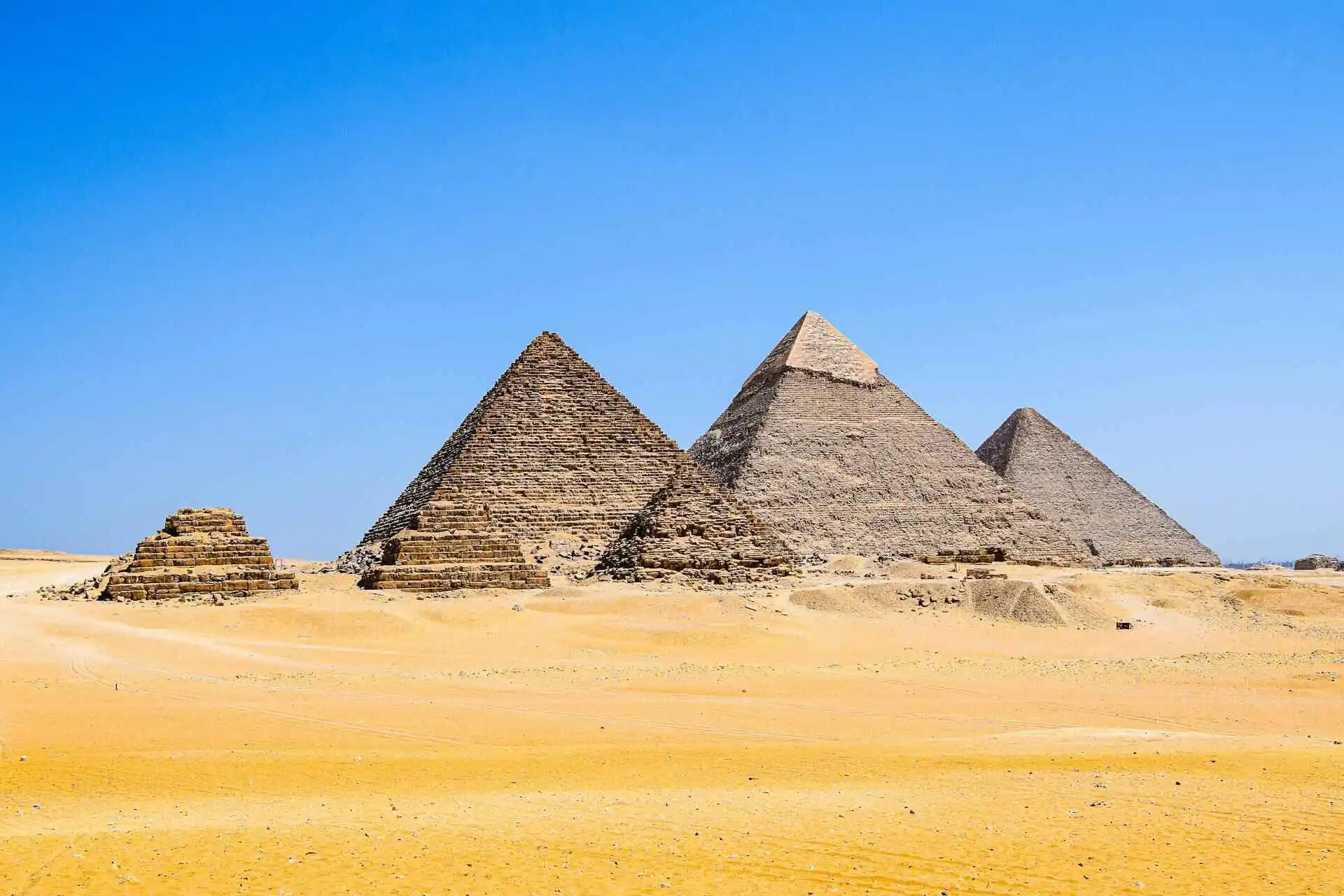
If you are planning a journey to the land of the Pharaohs, finding the right time to pack your bags is just as critical as deciding which pyramids to explore. Egypt is a country of intense extremes. One month offers crisp, cool breezes perfect for sailing the Nile, while another brings blistering desert heat that can make a midday temple tour feel like an endurance test.
So, when is the best time to visit Egypt?
The short, most universally accepted answer is between October and April. During these cooler months, daytime temperatures are blissfully comfortable, and the nights carry a refreshing chill. However, relying solely on this short answer means missing out on shoulder-season bargains, crowd-free monuments, and the perfect conditions for Red Sea diving.
To help you craft the perfect itinerary, we have broken down everything you need to know about Egypt’s climate, month-by-month expectations, budgeting secrets, and activity-specific recommendations.
Understanding Egypt’s Regional Climates
Before locking in your dates, it is crucial to understand that Egypt is not just one giant, uniform desert. The country features distinct micro-climates that can drastically alter your travel experience.
- Cairo and the Nile Delta (The North): Cities like Cairo and Alexandria experience a Mediterranean climate. Winters here can genuinely get chilly, requiring a jacket, and you might even encounter occasional rainfall. Summers are hot and humid.
- Luxor and Aswan (Upper Egypt / The South): This region is much closer to the equator and strictly desert. Winter days are brilliantly warm and sunny, making it the perfect escape from freezing Northern Hemisphere climates. Summers here are brutally hot, frequently exceeding 105°F (40°C).
- The Red Sea Coast (Hurghada, Sharm El-Sheikh, Dahab): Coastal destinations benefit from sea breezes. While summers are still very hot, the ocean makes it tolerable. Winters are mild, though the water can sometimes feel a bit brisk for prolonged swimming without a wetsuit.
The Seasons of Egypt: High, Shoulder, and Low
Traveling to Egypt is highly dependent on what you are willing to tolerate: crowds, heat, or high prices.
| Month | Cairo | Luxor | Alexandria | Red Sea |
|---|---|---|---|---|
| January | 19°C / 66°F | 23°C / 73°F | 18°C / 64°F | 21°C / 70°F |
| February | 21°C / 70°F | 25°C / 77°F | 19°C / 66°F | 22°C / 72°F |
| March | 24°C / 75°F | 29°C / 84°F | 21°C / 70°F | 24°C / 75°F |
| April | 28°C / 82°F | 35°C / 95°F | 24°C / 75°F | 28°C / 82°F |
| May | 32°C / 90°F | 39°C / 102°F | 27°C / 81°F | 32°C / 90°F |
| June | 35°C / 95°F | 41°C / 106°F | 29°C / 84°F | 34°C / 93°F |
| July | 35°C / 95°F | 41°C / 106°F | 30°C / 86°F | 35°C / 95°F |
| August | 35°C / 95°F | 41°C / 106°F | 31°C / 88°F | 35°C / 95°F |
| September | 33°C / 91°F | 39°C / 102°F | 30°C / 86°F | 33°C / 91°F |
| October | 30°C / 86°F | 35°C / 95°F | 28°C / 82°F | 30°C / 86°F |
| November | 25°C / 77°F | 29°C / 84°F | 24°C / 75°F | 26°C / 79°F |
| December | 21°C / 70°F | 24°C / 75°F | 20°C / 68°F | 23°C / 73°F |
High Season (October to February)
- The Vibe: Peak comfort, peak crowds.
- Weather: Absolutely glorious. Sunny, warm days and cool, crisp nights.
- Drawbacks: This is when the world descends upon Egypt. Expect long lines at the Great Pyramid, crowded cruise decks on the Nile, and premium pricing for hotels and domestic flights. Christmas and New Year’s weeks are particularly expensive.
Shoulder Season (March to May & September to October)
- The Vibe: The sweet spot for savvy travelers.
- Weather: Warm to hot, but generally manageable. Spring brings the Khamsin, a dry, dusty wind from the Sahara that can occasionally obscure visibility for a day or two.
- Drawbacks: You might face sudden temperature spikes or a random sandstorm, but the trade-off is fewer tourists photobombing your temple pictures and slightly softer hotel rates.
Low Season (June to August)
- The Vibe: Desert solitude and serious heat.
- Weather: Scorching. The sun is unrelenting, especially in the Valley of the Kings, where the rock formations radiate heat.
- Drawbacks: Sightseeing must be done at the crack of dawn. By 11:00 AM, you will need to seek the sanctuary of air conditioning or a swimming pool.
- The Upside: If you can handle the heat, you will have the country’s most iconic monuments almost entirely to yourself. Plus, luxury hotels and Nile cruises drop their prices significantly, sometimes by up to 40%.
Month-by-Month Guide to Visiting Egypt
To truly optimize your itinerary, here is a granular look at what to expect from Egypt every single month of the year.
January
January is the coolest month in Egypt and sits squarely in the middle of peak tourist season. Daytime highs in Cairo hover around a pleasant 66°F (19°C), while Aswan enjoys a balmy 75°F (24°C). It is the ultimate weather for exploring the vast outdoor ruins of Karnak or strolling through chaotic, vibrant souks without breaking a sweat.
- Key Events: Coptic Christmas (January 7th), Cairo International Book Fair.
- Pro Tip: Bring a warm fleece or mid-weight jacket. Desert nights drop sharply in temperature, and unheated hotel rooms can feel surprisingly frigid.
February
The spectacular weather continues, pulling massive crowds from freezing European and North American cities. February is arguably the most culturally thrilling month to be in the south.
- Key Events: The Abu Simbel Sun Festival (February 22). Twice a year, the sun aligns perfectly to illuminate the inner sanctum of Ramses II’s massive temple. It is a breathtaking astronomical marvel accompanied by Nubian dancing, music, and street food.
- Pro Tip: Book domestic flights and Nile cruises at least six months in advance if you plan to travel in February.
March
March kicks off the spring shoulder season. The massive winter crowds begin to thin out slightly, and temperatures start a steady climb. It is an excellent time for photography, as you can capture the Sphinx or the Colossi of Memnon with fewer tourists in the frame.
- Watch Out For: The Khamsin winds usually begin in late March. These hot sandstorms can temporarily ground hot air balloons in Luxor or delay flights, so keep your itinerary slightly flexible.
April
April is a fantastic transitional month. The Mediterranean coast starts warming up enough for beach days, while the deep south isn’t yet boiling.
- Key Events: Sham El-Nessim. A national holiday dating back to Pharaonic times celebrating the arrival of spring. Locals flock to parks and the banks of the Nile for picnics, eating traditional salted fish and painting eggs.
- Pro Tip: Easter week often sees a sudden spike in both crowds and hotel prices, so try to schedule your trip around those specific dates.
May
If your primary goal is to snag a luxury Nile cruise at a lower rate before the extreme heat sets in, May is your window. Daytime highs in Luxor will reliably push into the upper 90s Fahrenheit (around 35°C+), meaning you need to adopt the local schedule: wake up very early for temple visits, rest indoors during the afternoon, and emerge again at sunset.
June
Welcome to the Egyptian summer. June acts as a filter, clearing out all but the most heat-tolerant history buffs and dedicated scuba divers. The Red Sea resorts of Hurghada and Sharm El-Sheikh become the primary focus for travelers, offering cooling sea breezes and world-class underwater visibility.
- Pro Tip: If you visit Cairo in June, switch your focus to indoor attractions during the day, such as the Grand Egyptian Museum, the National Museum of Egyptian Civilization, and air-conditioned mosques.
July
July is intense. Aswan and Luxor will regularly see temperatures exceeding 105°F (40°C). However, there is a strange, quiet magic to Egypt in July. You can stand inside the great hypostyle hall of Karnak Temple in near-total silence, a rare luxury.
- Key Events: Islamic New Year and often Eid al-Adha (dates vary based on the lunar calendar). Expect grand feasts and a highly festive local atmosphere, though some independent shops may close for the holidays.
August
August mirrors July’s sweltering heat. This is peak domestic holiday season, meaning wealthy Egyptians from Cairo flee to the northern Mediterranean coast (like Alexandria and the North Coast) or the Red Sea.
- Pro Tip: Avoid the North Coast unless you love massive, bustling crowds. Instead, use August to score ultra-cheap luxury hotel stays in Cairo and Luxor.
September
The first half of September remains very hot, but by the end of the month, the edge begins to come off the heat. The tourist masses have not yet returned, making late September one of the best “secret” times to explore the country. The Red Sea waters have been warming up all summer, making this the absolute best month for prolonged snorkeling and scuba diving.
October
October marks the glorious return of the high season. The weather drops back down to perfect levels—think 85°F (29°C) in Cairo and 95°F (35°C) in Luxor. It is warm enough to swim but cool enough to explore the Valley of the Kings without suffering.
- Key Events: The second Abu Simbel Sun Festival (October 22). The Siyaha Harvest Festival in the Siwa Oasis, featuring three days of feasting, chanting, and full-moon celebrations.
November
If there were a single “perfect” month to visit Egypt, it might be November. The skies are a brilliant, clear blue, the Nile reflects the sun beautifully, and the evening air is crisp. It is a bustling, vibrant time in the cities.
- Key Events: Cairo International Film Festival. The Arab Music Festival at the Cairo Opera House.
- Pro Tip: Pack layers. You will likely be in shorts during the afternoon but will desperately want a sweater while dining on a rooftop overlooking the Nile at night.
December
December is incredibly popular, entirely because of the holiday break. Spending Christmas Eve at a bedouin camp in the desert or ringing in the New Year while sailing on a traditional felucca is an unforgettable experience.
- Drawbacks: You will pay absolute top dollar for everything. Guides, drivers, and hotels operate at maximum capacity. Booking a year in advance for holiday weeks is highly recommended.
Best Time for Specific Egyptian Experiences
Forget the weather app for a second—what exactly do you want to do in Egypt? Your itinerary goals should dictate your travel dates.
1. The Best Time for a Nile Cruise
Winner: October to April. Sailing the Nile is a tranquil experience, but you will spend a lot of time on the open-air upper deck of your boat, watching rural Egypt glide by. In the summer, the deck becomes too hot to enjoy during the day. Winter and early spring provide the perfect breezy conditions to sip mint tea on the deck for hours on end.
2. The Best Time to Avoid Crowds
Winner: June, July, and August.
If you despise photobombers and hate waiting in line, brave the summer heat. You will have uninterrupted, private moments inside the Great Pyramid and tombs of the pharaohs that winter travelers can only dream of.
3. The Best Time for Scuba Diving the Red Sea
Winner: September to November.
While you can dive the Red Sea year-round, autumn is spectacular. The water has retained the intense heat of the summer sun (making wetsuits optional in some areas), the winds are relatively calm, and the underwater visibility is crystal clear. It is also prime season for spotting thresher sharks and manta rays.
4. Visiting During Ramadan
The Islamic holy month of Ramadan shifts forward by about 10 or 11 days each year. Visiting during this time is a unique cultural experience, though it requires patience.
During daylight hours, Muslims fast. Consequently, the pace of the country slows down drastically. Some restaurants and cafes will be closed, and historical sites may close an hour or two early. However, when the sun sets, the country erupts into life. The breaking of the fast (Iftar) is a joyous, communal event, and the streets stay bustling, festive, and brightly lit until the early hours of the morning.
The Economics: Budgeting by Season
Travel costs in Egypt fluctuate wildly depending on the month. Here is how to stretch your budget based on when you fly.
- The Luxury Traveler’s Hack: If you want to stay in 5-star historic properties (like the Old Cataract Hotel in Aswan or the Marriott Mena House in Cairo) but don’t want to pay $500+ per night, book in June or July. These properties often slash rates to keep occupancy up, allowing you to live like royalty on a 3-star budget.
- The Backpacker’s Sweet Spot: March, April, and October. You get the benefit of tolerable weather without the extreme surge pricing of December and January. Hostels and budget guesthouses are abundant and affordable.
- Flight Pricing: International flights from the US, UK, and Australia are generally cheapest in September and February (excluding the Abu Simbel festival dates). Avoid flying in late December unless you are prepared to pay premium holiday fares.
What to Pack: A Seasonal Guide
Packing for Egypt requires balancing conservative cultural norms with extreme climate shifts.
If visiting in Winter (Nov – Feb):
- Breathable long-sleeve shirts for the day.
- A medium-weight jacket or fleece for early morning balloon rides and chilly desert evenings.
- Comfortable, closed-toe walking shoes (sand gets incredibly cold at night).
- A versatile scarf (useful for warmth and for covering hair when entering mosques).
If visiting in Summer (May – Sept):
- Ultra-lightweight, loose-fitting linen or cotton clothing. Avoid tight, synthetic fabrics at all costs.
- A wide-brimmed sun hat and UV-blocking sunglasses.
- High-SPF sunscreen and after-sun aloe gel.
- An electrolyte powder to mix into your bottled water (sweat loss is rapid in the dry desert heat).
- A lightweight, modest cover-up for when you are transitioning from the beach to the city.
Frequently Asked Questions
What is the best time to visit Egypt?
Is it safe to visit Egypt?
Do I need a visa to travel?
What should I pack for a desert tour?
The Final Verdict
If you want the absolutely flawless, postcard-perfect Egyptian vacation where every day is bright, breezy, and comfortable, book your trip for November or February.
If you want to stretch your budget, avoid the massive swarms of tour buses, and don’t mind a little extra sunshine on your shoulders, October and April are the undisputed champions of the Egyptian travel calendar.
Whenever you choose to go, the ancient wonders of the world will be waiting for you. Just remember to pack your sense of adventure—and plenty of water!