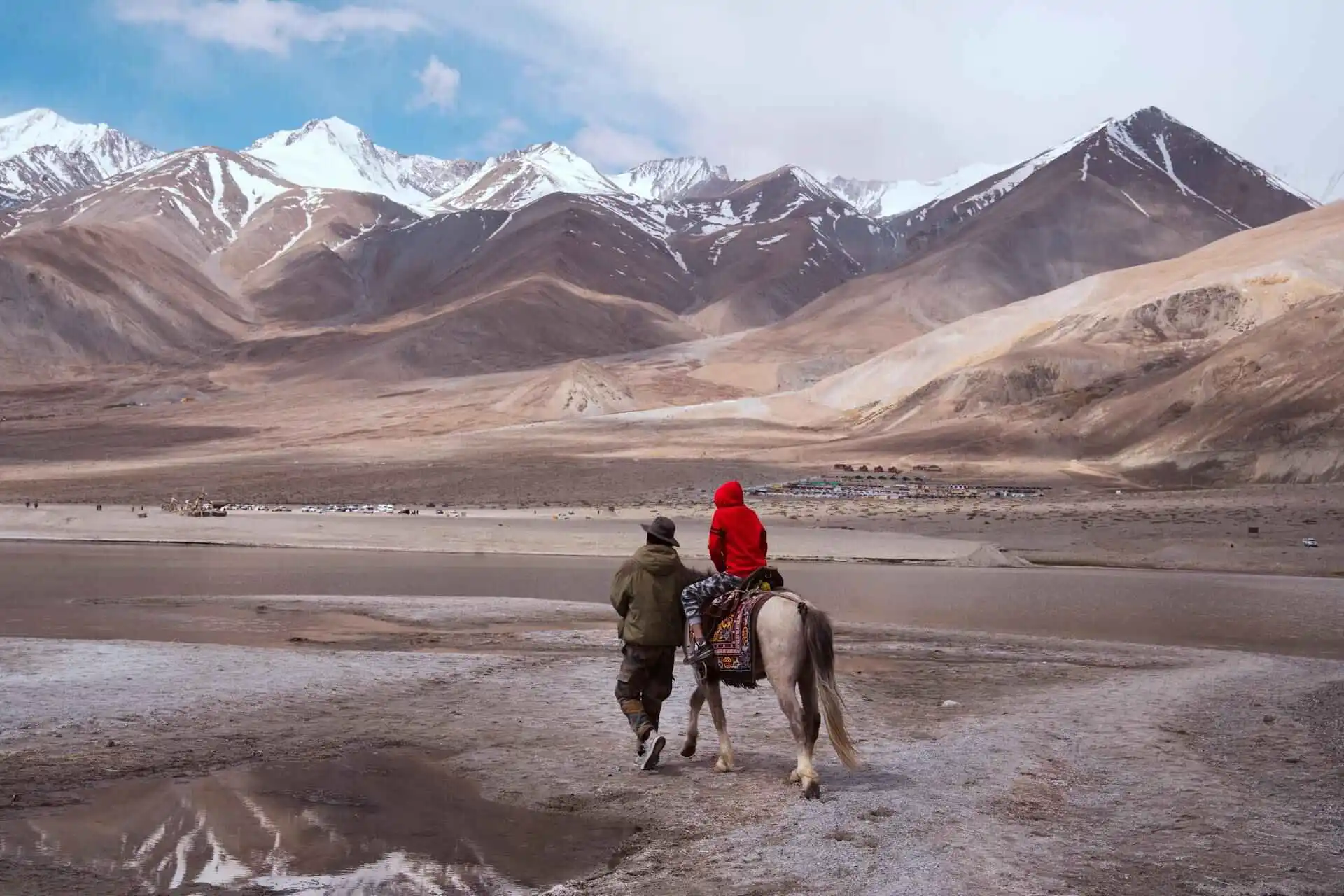
Ladakh, often referred to as the “Land of High Passes,” is a mesmerizing high-altitude cold desert nestled in the northernmost part of India. With its stark, barren mountains, crystal-clear blue lakes, ancient Buddhist monasteries, and thrilling mountain passes, Ladakh is a dream destination for travelers worldwide. However, because of its extreme altitude and rugged terrain, planning your trip requires careful consideration of the weather and road conditions.
If you are wondering about the best time to visit Ladakh, the short answer is that the summer months, from May to September, are generally considered the most ideal. During this window, the weather is pleasant, the snow has melted enough to clear the major highways, and the region comes alive with vibrant festivals.
But Ladakh is not a one-size-fits-all destination. The “best” time depends entirely on what you want to experience. Are you a hardcore motorcyclist looking to conquer the Khardung La pass? Are you a wildlife enthusiast hoping to spot the elusive Snow Leopard? Or are you a photographer chasing the frozen landscapes of the Chadar Trek?
In this comprehensive, ultimate guide, we will break down the weather, road conditions, and unique experiences month by month, season by season, ensuring your Ladakh itinerary is perfectly optimized for your travel style.
1. Understanding Ladakh’s Seasons: A Quick Overview
Before diving into the month-by-month analysis, it is crucial to understand the three primary seasons in Ladakh. Unlike the rest of the Indian subcontinent, Ladakh experiences a unique climatic pattern due to its location in the rain shadow of the Great Himalayas.
| Month | Day Temp (°C) | Night Temp (°C) | Highway Status | Best For… |
|---|---|---|---|---|
| January | -2° to 2° | -15° to -25° | Closed | Chadar Trek, Extreme Cold |
| February | 1° to 5° | -10° to -20° | Closed | Snow Leopard Spotting |
| March | 4° to 9° | -5° to -12° | Closed | Winter Landscapes, Festivals |
| April | 9° to 15° | -1° to -5° | Opening Soon | Frozen Pangong Lake |
| May | 14° to 19° | 3° to 7° | Srinagar Open | Early Season Sightseeing |
| June | 19° to 24° | 6° to 10° | Fully Open | Motorbiking, Road Trips |
| July | 22° to 27° | 10° to 14° | Fully Open | Trekking, Family Trips |
| August | 21° to 26° | 10° to 13° | Fully Open | Monastery Hopping |
| September | 19° to 23° | 5° to 9° | Fully Open | Photography, Autumn Colors |
| October | 12° to 16° | -1° to -6° | Closing Soon | Solitude, Budget Travel |
| November | 6° to 10° | -7° to -12° | Closed | Experiencing Frozen Deserts |
| December | 2° to 5° | -11° to -16° | Closed | Ladakhi New Year (Losar) |
The Peak Summer (May to August)
- Average Temperature: 15°C to 30°C (Day), 3°C to 10°C (Night)
- Vibe: Vibrant, accessible, bustling, and colorful.
- Best For: First-time visitors, family vacations, monastery hopping, motorbiking, and high-altitude trekking.
- Accessibility: Both the Manali-Leh Highway and the Srinagar-Leh Highway are open. Flights operate daily.
The Autumn Transition (September to October)
- Average Temperature: 10°C to 20°C (Day), -5°C to 5°C (Night)
- Vibe: Peaceful, incredibly scenic, and crisp.
- Best For: Photography, budget travelers, couples, and those looking to avoid the massive summer crowds. The foliage turns brilliant shades of gold and orange.
- Accessibility: Highways remain open until late October but carry a risk of early snowfall.
And The Harsh Winter (November to April)
- Average Temperature: -5°C to 5°C (Day), -15°C to -30°C (Night)
- Vibe: Extreme, isolated, frozen, and adventurous.
- Best For: Hardcore adventurers, the Chadar Trek, Snow Leopard tracking, and winter photography.
- Accessibility: Both highways are completely blocked by heavy snow. The only way to reach Leh is by taking a flight over the snow-capped Himalayas.
2. Month-by-Month Deep Dive: When Should You Travel?
To truly dominate your Ladakh travel planning, you need granular details. Here is exactly what to expect in Ladakh for every single month of the year.
January: The Deep Freeze and the Chadar Trek
January is the coldest month in Ladakh. Temperatures routinely plummet to -25°C at night in Leh, and even lower in places like Drass and Zanskar. Most hotels, restaurants, and guesthouses are closed. Central heating is rare; most locals rely on Bukhari (traditional wood-burning stoves).
- Road Status: Highways are strictly closed. Flights are the only option. Internal roads (like Leh to Nubra or Pangong) might be open but are highly dependent on snowfall.
- Key Highlights: This is the prime time for the famous Chadar Trek (trekking over the frozen Zanskar River). It is an extreme adventure requiring peak physical fitness.
- Verdict: Only for extreme adventure seekers. Not recommended for typical tourists.
February: Tracking the Ghost of the Mountains
The bone-chilling cold continues. However, February brings a very specific type of traveler to the Hemis National Park: wildlife photographers and conservationists.
- Key Highlights: February is arguably the best month for the Snow Leopard Trek. As the heavy snow pushes prey (like the blue sheep) down into the lower valleys, the snow leopards follow, making them slightly easier to spot. The Dosmoche Festival also usually falls in February, offering a glimpse into masked dances and local winter traditions.
- Verdict: Best for wildlife enthusiasts and seasoned winter trekkers.
March: The Slow Thaw
By March, the intensity of the winter begins to wane, but it is still decidedly freezing. Temperatures hover around 5°C during the day and drop to -10°C at night.
- Key Highlights: The Matho Nagrang festival, famous for its oracles, takes place. The landscapes are still draped in pristine white snow, offering surreal photography opportunities without the extreme life-threatening cold of January.
- Verdict: A transitional month. Good for budget travelers willing to brave the cold for snowy landscapes and authentic local interactions.
April: The Awakening of the Valleys
April marks the beginning of the tourist season, albeit slowly. The days start getting warmer and sunnier, though nights remain sub-zero.
- Road Status: Around late April or early May, the Border Roads Organisation (BRO) begins the Herculean task of clearing snow from the Srinagar-Leh highway. It might open towards the end of the month, but it is highly unpredictable.
- Key Highlights: The frozen Pangong Tso lake starts to melt, creating a mesmerizing pattern of broken ice floating on deep blue water. Tourist camps at Pangong and Nubra begin to set up.
- Verdict: Excellent for travelers who want to experience the snow before the summer crowds arrive. Be prepared for last-minute itinerary changes due to weather.
May: The Highway Gates Open
May is when Ladakh truly opens its doors to the world. The weather is pleasant during the day, making sightseeing incredibly comfortable.
- Road Status: The Srinagar-Leh highway is usually officially open by mid-May. The Manali-Leh highway begins clearing, but usually remains closed until June.
- Key Highlights: This is a fantastic time for sightseeing in Leh, visiting the Shanti Stupa, Thiksey Monastery, and Diskit Gompa. The skies are generally clear, offering majestic views of the Karakoram and Zanskar ranges.
- Verdict: The beginning of the peak season. Great for family trips and general tourism, though you cannot do the full Manali-Leh circuit yet.
June: The Motorbiking Season Kicks Off
June is arguably one of the most popular months. The weather is fantastic, and all access routes are finally operational.
- Road Status: The legendary Manali-Leh highway opens. Rohtang Pass, Baralacha La, and Tanglang La become accessible.
- Key Highlights: Thousands of motorcyclists begin their epic road trips. However, the initial weeks of June mean the roads are flanked by massive snow walls. The melting snow also means numerous water crossings (nalas) on the highway become ferocious by late afternoon.
- Verdict: The ultimate month for road trippers and bikers. Expect high tourist footfall and book accommodations well in advance.
July: The Vibrant Peak Season
July is the heart of the Ladakh summer. Days are warm (sometimes requiring just a t-shirt), and nights are comfortably cool.
- Key Highlights: Most major high-altitude treks, such as the Markha Valley Trek and the Stok Kangri expedition, are in full swing. The famous Hemis Festival (usually late June or July) showcases magnificent Cham dances. The landscape in lower altitudes like Suru Valley actually turns lush green.
- Verdict: The most reliable month for weather and accessibility. Ideal for families, trekkers, and cultural explorers. However, it is also the most crowded and expensive month.
August: The Monsoon Shadow
Wait, does it rain in Ladakh? Traditionally, Ladakh is a rain-shadow region. However, climate change has slightly altered this. While it doesn’t experience the heavy monsoons of the rest of India, July and August can see occasional short, sharp showers.
- Road Status: All roads are fully open, but occasional landslides due to sudden rain in the lower Himalayas (Manali side) can cause brief delays.
- Key Highlights: The landscape is absolutely spectacular. The contrast between the blue skies, the barren brown mountains, and the deep blue of Pangong and Tso Moriri is at its peak.
- Verdict: Still a fantastic time to visit, but pack a light raincoat just in case.
September: The Golden Month (Highly Recommended)
Many seasoned travelers and professional photographers consider September to be the absolute best time to visit Ladakh. The massive summer crowds have dissipated, the rivers run clear and blue (as the glacial melt slows down), and the weather is crisp.
- Key Highlights: The highlight of September is the spectacular change in colors. The poplar and willow trees in the Nubra and Sham valleys turn brilliant shades of gold, yellow, and orange, contrasting unbelievably with the stark mountains. The Ladakh Festival, a grand celebration of the region’s culture, sports, and music, is held in September.
- Verdict: The absolute sweet spot. Perfect for photography, budget traveling (hotel rates start dropping), and experiencing the serene, spiritual side of Ladakh without the noise.
October: The Pre-Winter Chill
By October, the tourist season rapidly winds down. The days remain sunny, but the temperature plummets as soon as the sun goes behind the mountains.
- Road Status: The Srinagar-Leh and Manali-Leh highways remain open for the first half of the month, but travel becomes risky. By late October, snowfall on the high passes usually forces the roads to close.
- Key Highlights: You get the absolute desolate beauty of Ladakh all to yourself. Most of the commercial tented camps at Pangong Tso are dismantled, so you must stay in homestays in nearby villages (like Spangmik or Merak).
- Verdict: Great for solitude seekers and rugged travelers. Make sure you leave via road before mid-October or plan to fly out.
November & December: The Silent Deep Freeze
Winter takes complete control. Temperatures drop well below freezing. All land routes are severed. Ladakh returns to its secluded, ancient rhythm.
- Key Highlights: The landscapes freeze over. Pangong lake begins to freeze. Losar (the Ladakhi New Year) is celebrated with great fervor by the locals in December.
- Verdict: Strictly for winter enthusiasts who are well-prepared for extreme cold and limited amenities.
3. Best Time Based on Your Travel Persona
Still confused? Let’s break it down by the type of experience you are seeking rather than just the calendar months.
For the Motorbike Enthusiasts (The Road Trippers)
- Ideal Window: Mid-June to September
- Why: You need both the Srinagar-Leh and Manali-Leh highways to be open to complete the famous “Ladakh Circuit.” Mid-June to July offers the thrill of riding between towering snow walls. September offers smoother, dry roads and less traffic.
For the Photographers
- Ideal Window: September to mid-October (For landscapes) | February (For wildlife/Astro)
- Why: September provides unmatched clarity in the air, deep blue skies, and incredible golden autumn foliage. For astrophotography, the crystal-clear, pollution-free winter nights of February near Hanle (home to the Indian Astronomical Observatory) are unparalleled.
And Families and Senior Citizens
- Ideal Window: June to August
- Why: Predictable weather, warmer temperatures, and fully functioning medical and tourist facilities. This is crucial because altitude sickness (AMS) is a real risk, and you want to ensure you have immediate access to oxygen and medical help, which are most readily available during peak season.
For Trekking and Mountaineering
- Ideal Window: July to September
- Why: The high mountain passes used for trekking (ranging from 4000m to over 6000m) are mostly free of heavy snow. The Markha Valley, Zanskar Valley, and Sham Valley treks are at their best.
4. Crucial Advice: Acclimatization and AMS
Regardless of when you visit Ladakh, you cannot ignore the altitude. Leh sits at approximately 11,500 feet (3,500 meters) above sea level. Places like Khardung La and Pangong Lake are even higher.
Acute Mountain Sickness (AMS) can hit anyone, regardless of age or fitness level.
- The 48-Hour Rule: If you fly directly into Leh, you MUST spend the first 48 hours doing absolutely nothing strenuous. Rest in your hotel, drink plenty of water, and let your body adjust to the thin air.
- Hydration: Drink 3 to 4 liters of water daily. Avoid alcohol and smoking entirely for the first few days.
- Medication: Consult your doctor about taking Diamox (Acetazolamide) before your trip to help prevent AMS.
- Gradual Ascent: This is why road trips via Srinagar (which offers a more gradual altitude gain) are scientifically better for acclimatization than the steep ascent via Manali or flying directly.
5. What to Pack: A Season-Based Checklist
Packing for Ladakh is an art. The key is layering. The temperature can be burning hot under the direct sun at noon, and freezing cold in the shade or at night.
For Summer (May to September):
- High SPF Sunscreen (SPF 50+) and UV-protection sunglasses (the sun is brutal at high altitudes).
- Lip balm and heavy moisturizers.
- Thermals (Base layer for nights).
- T-shirts and light full-sleeve shirts (Daytime).
- A good quality windproof/waterproof jacket.
- Sturdy trekking shoes.
- Personal medical kit (including AMS medication, painkillers, and band-aids).
For Winter (October to April):
- Heavy-duty thermal wear (multiple pairs).
- Fleece jackets and heavy down feather jackets (-20°C rating).
- Insulated snow boots and woolen socks.
- Balaclavas, woolen caps, and insulated waterproof gloves.
- Thermos flask for hot water.
- Power banks (batteries drain exceptionally fast in sub-zero temperatures).
6. Inner Line Permits (ILP) and Environmental Fees
Visiting Ladakh requires paperwork. To visit restricted areas like Nubra Valley, Pangong Tso, Tso Moriri, and the Aryan Valley villages (Dahanu), all tourists (domestic and international) require an Inner Line Permit (ILP) or Protected Area Permit (PAP).
- How to get it: You can easily apply for the ILP online via the official LAHDC (Ladakh Autonomous Hill Development Council) website before your trip, or get it done through a local travel agent in Leh.
- Pro Tip: Always carry 5-6 printed copies of your permit, as you will need to submit them at various military checkpoints along your route.
7. Sustainable Tourism: Being a Responsible Traveler
Ladakh is a fragile ecosystem. With the explosion of tourism over the last decade, the region is facing severe environmental challenges, particularly regarding water scarcity and waste management.
- Say No to Plastic: Do not buy single-use plastic water bottles. Carry a reusable insulated flask. Many hotels and cafes in Leh offer safe, filtered water refill stations.
- Save Water: Water is extremely scarce in the cold desert. Take short showers. If staying in a homestay, try using the traditional dry composting toilets, which are incredibly hygienic and environmentally friendly.
- Respect Local Culture: Dress modestly when visiting monasteries. Do not take photos of locals without asking for permission.
- Stick to the Trails: When driving or riding in places like Pangong or Hanle, do not take your vehicle off-roading near the lake or on the fragile grasslands. It destroys the habitat of ground-nesting birds and marmots.
Frequently Asked Questions
Is it safe to visit Ladakh in the monsoon?
Yes. Ladakh falls in a rain shadow area, so it doesn’t receive heavy monsoon rains like the rest of India. However, the approach roads (Manali and Srinagar) can experience landslides.
How many days are ideal for a Ladakh trip?
A minimum of 7 to 8 days is required to acclimatize properly and visit the main highlights (Leh, Nubra, Pangong). For a complete road trip doing the Manali-Leh-Srinagar circuit, you need 12 to 15 days.
Will I get mobile network in Ladakh?
Only postpaid connections work in Ladakh. BSNL and Jio postpaid have the best coverage. Airtel works well in Leh town but struggles in remote areas. Expect zero connectivity at Pangong and Tso Moriri.
Can I take my 5-year-old child to Ladakh?
Yes, many families travel with children. However, consult a pediatrician before the trip, ensure a strict 48-hour acclimatization period in Leh, and avoid taking young children to extremely high altitudes like Tso Moriri if they show signs of discomfort.
Are ATMs easily available?
ATMs are readily available in Leh town (SBI, J&K Bank, HDFC, Axis). However, once you leave Leh for Nubra or Pangong, ATMs are non-existent. Carry sufficient cash for your trips outside the capital.
Conclusion
Choosing the best time to visit Ladakh boils down to balancing what you want to see against the weather conditions you are willing to tolerate. For the vast majority of travelers, the window between June and September remains the golden period, offering the perfect blend of accessibility, pleasant weather, and stunning visual beauty.
Whether you are seeking the spiritual silence of ancient monasteries, the adrenaline rush of conquering high mountain passes, or simply the profound peace of sitting beside a crystal-clear high-altitude lake, Ladakh will leave an indelible mark on your soul. Plan carefully, respect the altitude and the environment, and prepare yourself for the journey of a lifetime.