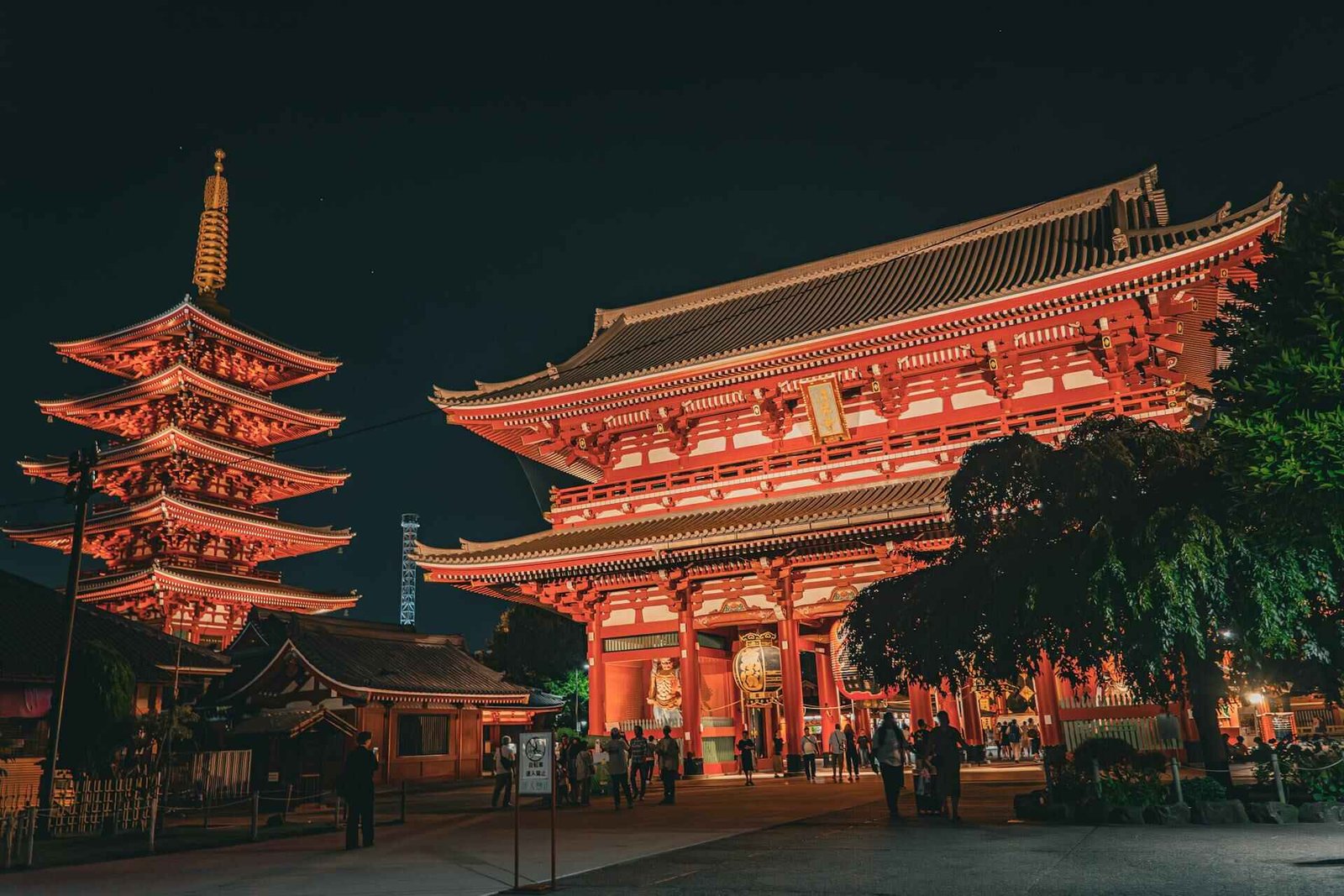
Japan is a mesmerizing destination where ancient traditions seamlessly blend with ultra-modern technology, all set against a backdrop of breathtaking natural beauty. Whether you are wandering through neon-lit streets in Tokyo, meditating in a centuries-old Zen garden in Kyoto, or skiing down world-class powder slopes in Hokkaido, this country offers an unforgettable experience. However, deciding on the best time to visit Japan and exactly when to pack your bags can be quite overwhelming. After all, the nation experiences four highly distinct seasons, dramatic climate variations from north to south, and a calendar packed with cultural festivals.
So, when is the best time to visit Japan?
Generally speaking, Spring (March to May) and Autumn (September to November) are universally considered the ideal times to travel. During these particular months, the weather is remarkably pleasant, and the skies remain mostly clear. Moreover, the landscapes are vividly painted with either the delicate pinks of cherry blossoms or the fiery reds and golds of autumn leaves.
Nevertheless, the absolute perfect time for your journey depends entirely on what you want to experience, how your budget looks, and your personal tolerance for crowds. Consequently, this comprehensive, mega-guide will break down everything you need to know. From month-by-month weather analysis to the best times for budget travel, we have covered all the essential details.
1. The Four Seasons of Japan: A Detailed Breakdown
Understanding what each season brings is the crucial first step in planning your dream itinerary. Interestingly, Japanese culture, food, and daily life are deeply intertwined with these seasonal shifts.
Spring (March to May): The Season of Sakura and Renewal
Spring is arguably the most famous period to explore the Japanese archipelago, and for very good reason. Gradually, the bitter cold of winter melts away, giving rise to comfortable temperatures and the iconic cherry blossom (Sakura) season.
- The Vibe: Energetic, romantic, and highly festive. For instance, locals frequently host hanami (flower viewing) parties in public parks, drinking sake and eating bento boxes under canopies of pink flowers.
- The Weather: Temperatures typically range from 10°C to 20°C (50°F – 68°F). It is generally dry; however, light spring showers are occasionally possible.
- The Catch: Unfortunately, this is peak tourist season. As a result, flights and accommodations are at their most expensive. Furthermore, popular spots in Kyoto and Tokyo will be incredibly crowded.
Summer (June to August): Festivals, Fireworks, and Humidity
Summer introduces a season of intense heat, high humidity, and vibrant cultural celebrations. Initially, it kicks off with Tsuyu (the rainy season) in June. Subsequently, the climate transitions into the scorching months of July and August.
- The Vibe: Lively and traditional. Specifically, this is the season of Matsuri (local street festivals), night markets, and spectacular Hanabi (fireworks) displays. Additionally, it represents the only window when you can legally hike Mount Fuji.
- The Weather: Hot and overwhelmingly humid. In fact, temperatures regularly soar above 30°C (86°F), with humidity levels making it feel substantially hotter.
- The Catch: The heavy humidity can be physically draining, especially in concrete jungles like Osaka and Tokyo. Moreover, late August marks the beginning of typhoon season.
Autumn (September to November): Fiery Foliage and Culinary Delights
If you desperately want the beauty of spring without the overwhelming chaos of cherry blossom chasers, autumn is your golden ticket. The phenomenon of koyo (autumn leaf viewing) beautifully transforms the country into a stunning palette of crimson, orange, and gold.
- The Vibe: Crisp, photogenic, and highly delicious. Throughout the nation, autumn is known as the season for hearty appetites. Therefore, you will find seasonal delicacies like sweet potatoes, pacific saury, and freshly harvested rice everywhere.
- The Weather: Mild and highly comfortable. Temperatures usually drop from 25°C (77°F) in September to a brisk 12°C (54°F) by late November.
- The Catch: September can still be occasionally affected by late typhoons. Consequently, these storms might bring heavy rain and disrupt travel plans.
Winter (December to February): Powder Snow and Hot Springs
Winter turns the landscape into a magical wonderland, particularly in the northern regions of Hokkaido and the Japanese Alps. Ultimately, it is the premier destination for winter sports enthusiasts.
- The Vibe: Quiet, crisp, and incredibly cozy. To celebrate the season, cities are heavily decorated with brilliant winter illuminations. Meanwhile, the massive Sapporo Snow Festival draws millions of excited visitors.
- The Weather: Distinctly cold. Tokyo and Kyoto hover around 5°C to 10°C (41°F – 50°F). In contrast, northern regions see heavy, consistent snowfall alongside sub-zero temperatures.
- The Catch: Daylight hours are quite short, meaning your sightseeing time is limited. Furthermore, many local businesses close for several days around the New Year holiday.
2. Month-by-Month Guide: Timing Your Adventure
To help you pinpoint the exact right time for your journey, let us dive into a highly detailed, month-by-month breakdown. Thus, you will know precisely what to expect across the archipelago.
Japan Month-by-Month Weather Guide
Average temperatures and conditions (Based on Tokyo & Central Japan)
| Month | Season | Avg. Temp (High/Low) | Rainfall | Travel Vibe & Highlights |
|---|---|---|---|---|
| January | Winter | 10°C / 2°C | Low | Cold, clear skies. Perfect for Mt. Fuji views and winter sports. |
| February | Winter | 11°C / 3°C | Low | Peak snow in the north. Plum blossoms begin to bloom. |
| March | Spring | 14°C / 5°C | Moderate | Warming up nicely. Early cherry blossoms arrive late in the month. |
| April | Spring | 19°C / 10°C | Moderate | Mild weather. Full cherry blossoms and massive hanami festivals. |
| May | Spring | 24°C / 15°C | Moderate | Warm and sunny. Lush green landscapes and wisteria flowers. |
| June | Summer | 26°C / 19°C | High (Tsuyu) | Rainy season begins. Beautiful hydrangeas and quiet temples. |
| July | Summer | 30°C / 23°C | High | Hot and humid. Mt. Fuji climbing opens, major street festivals. |
| August | Summer | 31°C / 24°C | Moderate | Hottest month. Spectacular fireworks and traditional Obon dances. |
| September | Autumn | 27°C / 21°C | High (Typhoons) | Still warm with a risk of typhoons. Late summer vibes remain. |
| October | Autumn | 22°C / 15°C | Moderate | Crisp, clear air. Autumn foliage slowly begins in northern regions. |
| November | Autumn | 17°C / 9°C | Low | Cool and pleasant. Peak red autumn leaves in Kyoto and Tokyo. |
| December | Winter | 12°C / 4°C | Low | Crisp and dry. Brilliant winter illuminations and hot pots. |
January
- Overview: January stands out as one of the coldest months. Conversely, it is also one of the driest and sunniest on the Pacific coast, which includes Tokyo.
- Highlights: The first few days of the month are deeply dedicated to Hatsumode (the first shrine visit of the year). Moreover, it is the perfect time to visit the famous Snow Monkeys of Jigokudani in Nagano.
- Crowds & Costs: Outside of the New Year holiday, January is a low season for general tourism. Consequently, you can find cheaper flights and much quieter temples. However, ski resorts in Hokkaido will charge peak pricing.
February
- Overview: The bitter cold definitely continues, but the days begin to lengthen slightly. Unquestionably, this is the absolute best month for winter sports, as the powder snow is deep and highly reliable.
- Highlights: The world-renowned Sapporo Snow Festival takes place in early February. Later in the month, plum blossoms (ume) begin to bloom in central areas, offering a beautiful, less-crowded alternative to cherry blossoms.
- Crowds & Costs: Tourist numbers are very low everywhere except Hokkaido and major ski destinations like Hakuba and Niseko.
March
- Overview: March serves as a major month of transition. Initially, the first half feels like winter. Subsequently, the second half joyfully welcomes the arrival of spring.
- Highlights: Late March is precisely when the magic happens. The first cherry blossoms begin to open in Tokyo, Kyoto, and Kyushu. Additionally, the weather becomes ideal for walking and exploring outdoors.
- Crowds & Costs: As soon as the sakura forecast is announced, prices skyrocket. Therefore, the last week of March is exceptionally busy.
April
- Overview: April remains the undisputed king of Japanese tourism. Fortunately, the weather is spectacular, and the cherry blossoms reach their much-anticipated full bloom (mankai).
- Highlights: Visitors can enjoy sprawling hanami parties and the vibrant Takayama Spring Festival. Furthermore, vibrant green landscapes steadily return to the rural countryside.
- Crowds & Costs: You must prepare for peak prices and massive crowds. Because of this high demand, booking your accommodations and bullet train (Shinkansen) tickets months in advance is strictly required. Finally, late April marks the beginning of “Golden Week,” severely limiting hotel availability.
May
- Overview: Once Golden Week officially ends (around May 5th or 6th), May quickly becomes one of the best-kept secrets for travelers.
- Highlights: Even though the cherry blossoms are gone, they are promptly replaced by stunning wisteria tunnels and vibrant pink moss phlox. Most importantly, the weather is warm, sunny, and perfectly comfortable before the brutal summer humidity sets in.
- Crowds & Costs: Tourist volume is generally moderate. Thus, you get the tremendous benefits of great weather without the premium price tag of April.
June
- Overview: June formally introduces the rainy season (Tsuyu). It certainly does not rain all day every day. Nevertheless, you can expect frequent overcast skies and persistent drizzle.
- Highlights: Hydrangeas (ajisai) bloom beautifully in the rain, making historic places like Kamakura incredibly picturesque. Furthermore, it is rice-planting season, meaning rural areas transform into vibrant, reflective green mirrors.
- Crowds & Costs: This is undeniably a low season. Provided that you do not mind carrying an umbrella, you can easily score excellent deals on luxury hotels.
July
- Overview: The rainy season typically ends by mid-July. As a result, it makes way for extreme heat and heavy humidity.
- Highlights: The official climbing season for Mount Fuji finally opens to the public. Additionally, July is massive for local festivals. Most notably, the Gion Matsuri in Kyoto features massive, elaborately decorated floats.
- Crowds & Costs: Crowd levels are quite high. Since domestic schools are out for summer, theme parks (like Tokyo Disneyland) and coastal beaches are totally packed.
August
- Overview: Without a doubt, August is the hottest and most humid month of the entire year.
- Highlights: This specific month is heavily dedicated to fireworks and Obon—a traditional Buddhist event commemorating deceased ancestors. During this time, glowing lanterns are floated down rivers. Similarly, traditional dances (Bon Odori) take place in almost every town square.
- Crowds & Costs: The Obon week (mid-August) is just as busy as Golden Week. Consequently, you should actively avoid traveling on trains during these specific days, as millions of locals return to their hometowns.
September
- Overview: September offers a slight, highly welcomed reprieve from the extreme heat. However, it simultaneously brings a new challenge: typhoons.
- Highlights: Assuming you get clear days, the late summer weather is truly beautiful. You can even still hike Mount Fuji in early September. Furthermore, Silver Week (a cluster of holidays that occurs every few years) might also happen during this month.
- Crowds & Costs: Prices are generally moderate. Even so, you must keep a close eye on weather forecasts and ensure your travel insurance thoroughly covers weather-related cancellations.
October
- Overview: October easily rivals May as the most pleasant month to plan a visit. By this time, the typhoons pass, the humidity vanishes, and the air becomes remarkably crisp and clear.
- Highlights: The autumn leaves begin their colorful transformation in the northern regions and higher mountain elevations. Because it is harvest season, the local food scene is absolutely spectacular.
- Crowds & Costs: Expect moderate to high numbers of fellow travelers. Lately, it is becoming increasingly popular as a reliable alternative to the spring rush.
November
- Overview: November is to autumn exactly what April is to spring. Ultimately, the autumn foliage (koyo) reaches its brilliant peak in Tokyo, Kyoto, and Osaka.
- Highlights: Walking slowly through ancient temples surrounded by vibrant red maples is an ethereal experience. In addition, stunning evening illumination events are held at major gardens. Fortunately, the weather is cool but easily manageable with a light jacket.
- Crowds & Costs: Demand is incredibly high. Consequently, popular autumn spots like Arashiyama in Kyoto will be exceptionally crowded throughout the day.
December
- Overview: Winter firmly sets in, predictably bringing cold, dry days and clear blue skies.
- Highlights: Mount Fuji is highly visible due to the crisp winter air. Meanwhile, cities try to outdo each other with massive, romantic winter light illuminations. Above all, it is a fantastic time for foodies to enjoy hot pots (nabe) and warm sake.
- Crowds & Costs: The first three weeks are surprisingly quiet and very affordable. Conversely, the final week of December sees a massive spike in prices as locals excitedly prepare for the New Year celebrations.
3. Targeted Travel: Best Times for Specific Activities
Oftentimes, your itinerary might revolve entirely around a specific passion or hobby. Therefore, here is exactly when you should go based on what you desperately want to do.
For Cherry Blossoms (Sakura)
- When: Late March to mid-April.
- Where: Tokyo (Ueno Park, Shinjuku Gyoen), Kyoto (Philosopher’s Path), and Osaka (Osaka Castle).
- Pro-Tip: If you happen to miss the Tokyo blooms, do not panic. Instead, take a fast bullet train north to Tohoku or Hokkaido, where the blossoms bloom much later in late April.
For Autumn Leaves (Koyo)
- When: Mid-November to early December (specifically for central Japan).
- Where: Kyoto (Tofukuji Temple, Kiyomizudera), Nara, and Nikko National Park.
- Pro-Tip: Maples (momiji) turn a brilliant red, while Ginkgo trees simultaneously turn a blinding yellow. For example, the Meiji Jingu Gaien in Tokyo offers a stunning, highly photogenic avenue of golden Ginkgo trees in late November.
And For Winter Sports and Skiing
- When: Mid-January to late February.
- Where: Hokkaido (Niseko, Furano, Rusutsu) and Nagano (Hakuba, Nozawa Onsen).
- Pro-Tip: Japan’s “Japow” (Japanese Powder) is globally considered some of the lightest, driest snow on earth. As a result of its immense popularity, you should book ski resorts a full year in advance if possible.
For Budget Backpackers
- When: Mid-January to February, and again from June to early July.
- Where: Nationwide.
- Pro-Tip: During these specific windows, flights are drastically cheaper. Furthermore, business hotels or hostels consistently offer significant off-season discounts. Subsequently, you can take advantage of indoor activities like museums and massive shopping complexes during the June rains.
4. Packing and Preparation Strategy
Packing for this unique country requires a bit of thoughtful strategy. Because you will likely be taking public transportation and hauling your luggage through crowded train stations, packing light is absolutely essential.
What to pack for Spring & Autumn:
- Lightweight, highly breathable layers (such as long-sleeve shirts and cardigans).
- A medium-weight jacket specifically for chilly evenings.
- Comfortable, easy-to-remove walking shoes. After all, you will be taking your shoes off constantly at temples and traditional restaurants.
And What to pack for Summer:
- Ultra-breathable fabrics like linen or moisture-wicking activewear.
- A small hand towel. Interestingly, locals always carry these to wipe sweat, as paper towels in public restrooms are quite rare.
- Strong deodorant. Generally, Japanese deodorant is famously mild; therefore, bring your own if you need clinical strength.
What to pack for Winter:
- A heavy, truly windproof winter coat.
- Reliable thermal inner-wear.
- Shoes featuring good traction. Consequently, you will avoid slipping, as sidewalks in northern cities can become dangerously icy.
Frequently Asked Questions
What is the best time to visit Japan?
The best times to visit Japan are Spring (March to May) and Autumn (September to November) when the weather is pleasant and the landscapes are beautiful.
How many days do I need in Japan?
A minimum of 10 to 14 days is recommended to comfortably explore major highlights like Tokyo, Kyoto, Osaka, and Nara.
Do I need to speak Japanese to visit?
Not at all. Major cities have English signage, and many people in the hospitality industry speak basic English. However, learning a few basic phrases is always appreciated.
Is the Japan Rail Pass worth it?
It depends on your itinerary. If you are doing long-distance travel across different regions within a 7 or 14-day window, it can offer great value. For simple round trips, individual tickets might be cheaper.
Conclusion
Ultimately, there is no objectively “wrong” time to visit Japan. Every single month offers a unique, beautiful lens through which to carefully view this incredible country.
If it is your very first time and you genuinely want the quintessential, postcard-perfect experience, aim for late March/early April or mid-November. On the other hand, if you are a returning visitor looking to confidently escape the crowds, look toward the lush green days of May or the snowy, peaceful isolation of February.
Simply determine your main priorities—whether that is budget, ideal weather, local festivals, or specific outdoor activities. Then, carefully book your flights accordingly. No matter when you choose to go, this magnificent nation will undoubtedly leave you longing to return.