
Are you dreaming of waking up to the sun-kissed beaches of the Gold Coast and, just a few days later, finding yourself surrounded by the majestic, snow-capped peaks of Milford Sound? Planning a dual-country adventure Down Under is a bucket-list experience for many travelers. But there is one critical question that can make or break your trip: When is the exact best time to visit Australia and New Zealand together?
Unlike a quick weekend getaway, coordinating a trip across two massive nations with drastically different climates requires strategic planning. While Australia boasts vast deserts, tropical rainforests, and endless coastlines, New Zealand offers alpine environments, ancient glaciers, and temperate fiords.
In this comprehensive guide, we are not just going to tell you the seasons; we are going to dive deep into a month-by-month breakdown, analyze traveler profiles, provide actionable itineraries, and help you discover the undisputed best time to visit Australia and New Zealand based on your unique travel style.
1. Understanding the Southern Hemisphere Climate
First things first: throw your Northern Hemisphere calendar out the window. Down here, the seasons are flipped. When New York is shivering in January, Sydney is hosting blazing hot beach parties.
The Seasons at a Glance
- Spring: September to November
- Summer: December to February
- Autumn (Fall): March to May
- Winter: June to August
However, classifying these countries simply by four seasons is a massive understatement. Australia is roughly the size of the continental United States, meaning it has multiple climate zones. The tropical north (Cairns, Darwin) experiences wet and dry seasons rather than summer and winter. New Zealand, being much further south and mountainous, has a distinctly maritime climate that can change rapidly within a single day.
2. The Golden Window: The Overall Best Time to Visit Australia and New Zealand

If you are looking for the absolute sweet spot—the time when you can comfortably explore the Great Barrier Reef without monsoonal rains, while also enjoying clear hiking trails in the Southern Alps of New Zealand—the ultimate shoulder seasons are your best bet.
The verdict? The best time to visit Australia and New Zealand on the same trip is during the “Shoulder Seasons”: October to November (Spring) and March to April (Autumn).
Why the Shoulder Seasons Win:
- Weather Synergy: In Spring and Autumn, the extreme heat of the Australian Outback cools down to a manageable level, while the biting winter cold of New Zealand retreats.
- Fewer Crowds: You avoid the massive influx of summer holidaymakers (December-January) and the school holiday chaos.
- Better Pricing: Airlines and luxury lodges often drop their premium summer rates.
- Wildlife Activity: Spring brings baby animals and blooming wildflowers in Australia, while Autumn offers spectacular changing foliage in New Zealand’s wine regions.
3. Month-by-Month Deep Dive: What to Expect
To truly understand how to plan your trip, we must look at what happens month by month across both nations. Note: We are changing our analytical lens here to give you a pragmatic, real-world view of each month.
| Season | Months | Australia 🇦🇺 | New Zealand 🇳🇿 |
|---|---|---|---|
| 🌸 Spring | Sep – Nov | Warm & blooming. Perfect for wildlife. (17°C – 35°C) | Mild with spring showers. Great for hiking. (10°C – 18°C) |
| ☀️ Summer | Dec – Feb | Hot! Great for beaches, wet in the North. (20°C – 37°C) | Warm & sunny. Peak tourist season. (20°C – 25°C) |
| 🍂 Autumn | Mar – May | Pleasant & clear. Ideal overall weather. (17°C – 35°C) | Crisp air & beautiful fall foliage. (12°C – 21°C) |
| ❄️ Winter | Jun – Aug | Cool in South, perfect dry season in North. (11°C – 30°C) | Cold. Perfect for skiing and snow sports. (1°C – 15°C) |
January & February: High Summer Hustle
Australia: It is peak summer. Cities like Sydney and Melbourne are buzzing with festivals, the Australian Open, and outdoor concerts. However, the Red Centre (Uluru) is dangerously hot (often exceeding 40°C/104°F). Northern Queensland is in the middle of its wet season—expect high humidity, heavy rainfall, and marine stingers (jellyfish) in the ocean.
New Zealand: This is the absolute best time for New Zealand weather. Long, sunny days make it perfect for hiking the Milford Track, cruising the Bay of Islands, and enjoying outdoor adventure sports in Queenstown.
- Verdict: Great for New Zealand, hit-or-miss for Australia depending on the region. Highly crowded and expensive.
March & April: The Autumn Sweet Spot
Australia: The stifling heat begins to break. The southern cities enjoy warm, pleasant days and crisp evenings. The wet season up north is ending, making places like the Great Barrier Reef accessible again.
New Zealand: The autumn colors in regions like Central Otago and Hawke’s Bay are breathtaking. The weather is stable, the summer crowds have gone home, and the ocean is still warm enough for a quick dip in the North Island.
- Verdict: Highly recommended. This is arguably the most balanced weather window for a combined trip.
May: The Transition Month
Australia: Excellent time to visit the Outback and the Northern Territory (Kakadu National Park) as the dry season begins. Southern Australia starts getting chilly.
New Zealand: Winter is knocking on the door. Snow begins to dust the higher peaks, and the days get significantly shorter. It is a quiet month, great for budget travelers, but pack warm layers.
- Verdict: Good for Australia’s north; slightly risky for New Zealand if you dislike the cold.

June, July & August: Winter Wonderland vs. Tropical Escapes
Australia: The southern states (Victoria, Tasmania) are cold and wet. However, this is the absolute peak season for Northern Australia. The Great Barrier Reef boasts incredible water clarity, and the Outback has perfect, sunny, 25°C (77°F) days. It is also the best time to swim with Manta Rays in Ningaloo Reef.
New Zealand: Hello, ski season! Queenstown transforms into a bustling winter resort town. If you are not into winter sports, the South Island can be quite limiting due to road closures and freezing temperatures. The North Island (Auckland, Rotorua) remains milder but wet.
- Verdict: The best time to visit Australia and New Zealand only if you want to combine tropical scuba diving with alpine skiing.
September & October: Spring Awakening
Australia: Wildflowers erupt across Western Australia. The weather across the continent is mild and highly agreeable. Sydney and Melbourne start warming up, and the northern regions are still dry enough for exploration.
New Zealand: Spring is dramatic. You will see newborn lambs dotting the impossibly green hills. Rainfall can be high, and the wind is famously blustery (especially in Wellington), but the blooming lupins and rising temperatures make it a magical time.
- Verdict: Highly recommended. A fantastic time for wildlife enthusiasts and nature photographers.
November: The Pre-Summer Bliss
Australia: Summer is just around the corner. Excellent beach weather across the country before the extreme heat sets in. The northern wet season hasn’t fully started yet.
New Zealand: Days are getting noticeably longer and warmer. Hiking trails are fully accessible, and the tourist rush hasn’t begun.
- Verdict: One of the best standalone months for a dual-country itinerary.
4. Tailoring the Trip: Best Times Based on Traveler Personas
Let’s pivot the narrative. You aren’t just a generic traveler; you have specific goals. Here is how different travel styles dictate your perfect timing.
For the Luxury Honeymooners
Target Months: October, November, March, or April.
You want romance, private wine tastings, seamless helicopter transfers, and perfect sunset dinners without shivering or sweating profusely. By traveling in the shoulder seasons, luxury lodges like Saffire Freycinet (Australia) or Huka Lodge (New Zealand) offer the most pleasant weather conditions for indoor-outdoor living, with a fraction of the high-summer crowds.
For the Adventure & Adrenaline Junkies
Target Months: February or March.
If your itinerary includes bungee jumping in Queenstown, multi-day trekking in Fiordland, surfing in Byron Bay, and diving the Great Barrier Reef, late summer/early autumn provides the optimal water temperatures and daylight hours required for relentless outdoor activities.
For the Wildlife Enthusiasts
Target Months: September to November.
Spring is the undisputed champion for wildlife. In Australia, marsupials are highly active, and whales are migrating along the coastlines. In New Zealand, you can spot penguin chicks, seal pups, and incredible birdlife in sanctuaries like Zealandia.
For the Budget-Conscious Traveler
Target Months: May or late August.
To stretch your dollar, you must travel off-peak. May offers dropping prices before the winter ski rush in New Zealand, while August provides end-of-winter discounts in southern Australia. You will need to compromise on weather, but the savings on international flights and campervan rentals can be massive.
5. Master-Crafted Itineraries for the Dual-Country Trip
To add massive value to your planning, here are three conceptual itineraries tailored to the best times of the year. Notice how the flow of travel changes based on the climate.
Itinerary A: The Springtime Explorer (October – November)
- Pacing: 3 Weeks
- Route: Auckland ➔ Rotorua ➔ Queenstown ➔ (Fly to) Melbourne ➔ Sydney ➔ Great Barrier Reef.
- Why it works: You start in New Zealand while the spring weather is refreshing, then fly into Australia just as the southern cities hit perfect mild temperatures, ending in the tropics before the summer monsoons begin.
Itinerary B: The Autumn Harvester (March – April)
- Pacing: 4 Weeks
- Route: Sydney ➔ Adelaide & Barossa Valley ➔ Uluru ➔ (Fly to) Christchurch ➔ Mount Cook ➔ Queenstown.
- Why it works: You catch the grape harvest in South Australia and the breathtaking autumn foliage in New Zealand’s South Island. The Outback is finally cool enough to explore comfortably.
And Itinerary C: The Fire and Ice Winter Escape (July – August)
- Pacing: 3 Weeks
- Route: Cairns & Port Douglas ➔ Darwin & Kakadu ➔ (Fly to) Queenstown ➔ Wanaka.
- Why it works: This is an extreme contrast trip. Enjoy the absolute peak dry-season weather in tropical Australia (perfect for swimming and wildlife), then fly straight to the snow-covered peaks of New Zealand for skiing, hot pools, and mulled wine.
6. The Ultimate Dual-Climate Packing Strategy
One of the biggest mistakes travelers make is packing incorrectly. When you are traversing two countries with diverse topographies, the key is intelligent layering.
The Essentials Checklist:
- Merino Wool Base Layers: Essential for New Zealand’s unpredictable winds and Australia’s chilly desert nights.
- A High-Quality Windbreaker/Rain Shell: Do not bring a massive winter coat unless you are skiing. A waterproof shell paired with a fleece underneath is much more versatile.
- UPF 50+ Sun Protection: The ozone layer over this part of the world is thin. The sun will burn you in 15 minutes, even on a cloudy day in Auckland. Bring a wide-brimmed hat and reef-safe sunscreen.
- Smart-Casual Evening Wear: Both Aussies and Kiwis appreciate a relaxed but neat dress code for dining out. A pair of chinos or a versatile maxi dress works wonders.
- Sturdy, Broken-In Footwear: You will be walking. A lot. Whether it is the cobbled streets of The Rocks in Sydney or a forest trail in Rotorua, leave the uncomfortable fashion shoes at home.
7. Overcoming the Logistics: Travel Tips for Combining Both Countries
If you have decided on the best time to visit Australia and New Zealand, the next step is conquering the logistics.
Mastering the Flights
Do not book a simple round-trip ticket to Sydney and expect to easily pop over to New Zealand. Look into Open-Jaw (Multi-City) flights. For example, fly from Los Angeles to Auckland, travel down to Queenstown, fly from Queenstown directly to Sydney, and then fly out of Melbourne back home. This saves you from wasting precious vacation days backtracking.
Visa Requirements
Remember that you are visiting two sovereign nations. You will likely need an ETA (Electronic Travel Authority) or eVisitor visa for Australia, and an NZeTA (New Zealand Electronic Travel Authority) for New Zealand. Apply for these well in advance, regardless of the season you choose to travel.
Time Zones and Jet Lag
Australia has three to five time zones depending on Daylight Saving Time, and New Zealand is usually two to three hours ahead of Australia’s east coast. Give yourself a buffer day when you first arrive to simply adjust, hydrate, and get onto local time.
8. Regional Deep Dive: Where to be and When
To provide maximum clarity, let’s break down specific iconic locations and their individual “best times.”
Australia’s Heavy Hitters
- The Great Barrier Reef (Queensland): June to October. Clear water, no deadly jellyfish, comfortable humidity.
- Uluru / The Red Centre (Northern Territory): May to September. Avoid the lethal heat of summer.
- Sydney & The Blue Mountains (New South Wales): September to November, or March to May. Avoids the peak summer humidity and winter chill.
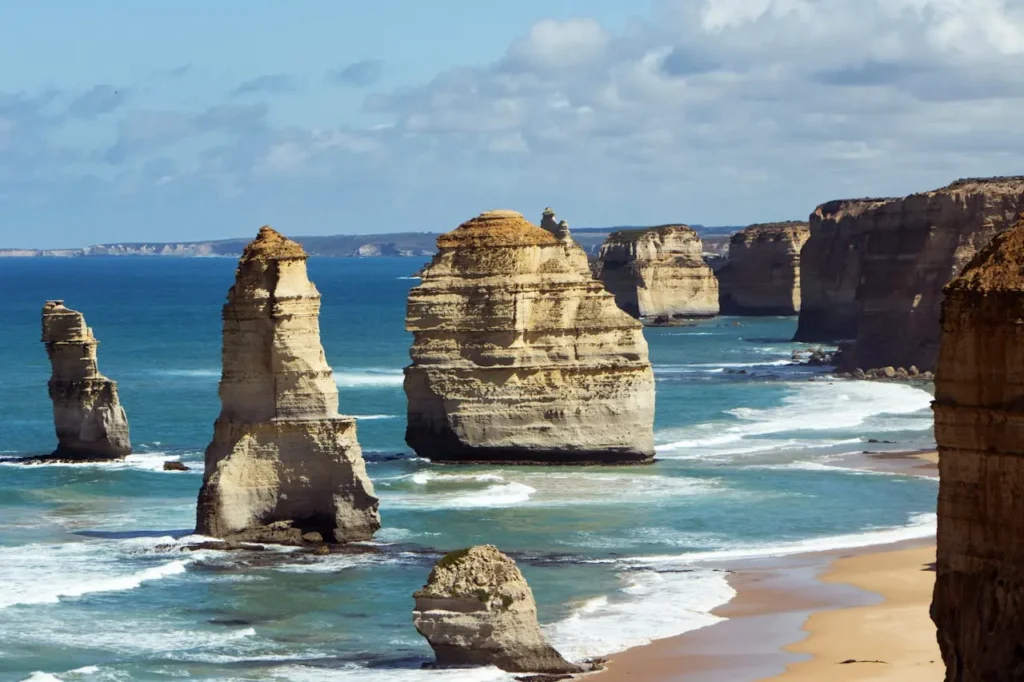
- The Great Ocean Road (Victoria): February to April. Less fog, warmer ocean breezes, and less rain.
New Zealand’s Masterpieces
- Milford Sound & Fiordland: It rains 200 days a year here! However, November to March offers the warmest temperatures and the most spectacular, roaring waterfalls after summer showers.
- Rotorua & Hobbiton (North Island): October to April. The rolling green hills of the Shire look best in spring and summer.
- Queenstown & Wanaka (South Island): December to February for hiking and lake activities; July to August for world-class snowboarding and skiing.
Frequently Asked Questions
Is it possible to see both Australia and New Zealand in two weeks?
While physically possible, it is highly discouraged. Two weeks is barely enough to scratch the surface of one country. You will spend most of your time in airports. We recommend an absolute minimum of three weeks if you wish to cross the Tasman Sea.
Are there any seasons I should absolutely avoid?
Avoid Northern Australia (Cairns, Darwin, Broome) from January to March due to extreme monsoons, cyclones, and box jellyfish. If you hate the cold, avoid New Zealand’s South Island from June through August.
How long is the flight between Australia and New Zealand?
It is shorter than you think! A flight from Sydney to Auckland takes about 3 hours, which is shorter than flying from Sydney to Perth (which takes about 5 hours).
Conclusion: Your Journey Awaits
Ultimately, determining the best time to visit Australia and New Zealand is a deeply personal choice dictated by your tolerance for crowds, your budget, and the specific landscapes you wish to explore.
However, if you want the definitive answer for the most balanced, spectacular, and comfortable experience: Book your tickets for October/November or March/April. During these golden shoulder seasons, the Southern Hemisphere puts on a show like nowhere else on Earth. You will experience the vibrant energy of Australian cities, the ancient magic of the Outback, the rolling green serenity of New Zealand’s North Island, and the breathtaking alpine majesty of the South Island—all under the most ideal skies.
Start planning, pack those layers, and get ready for the adventure of a lifetime Down Under!
1 thought on “The Ultimate Guide: Best Time to Visit Australia and New Zealand”