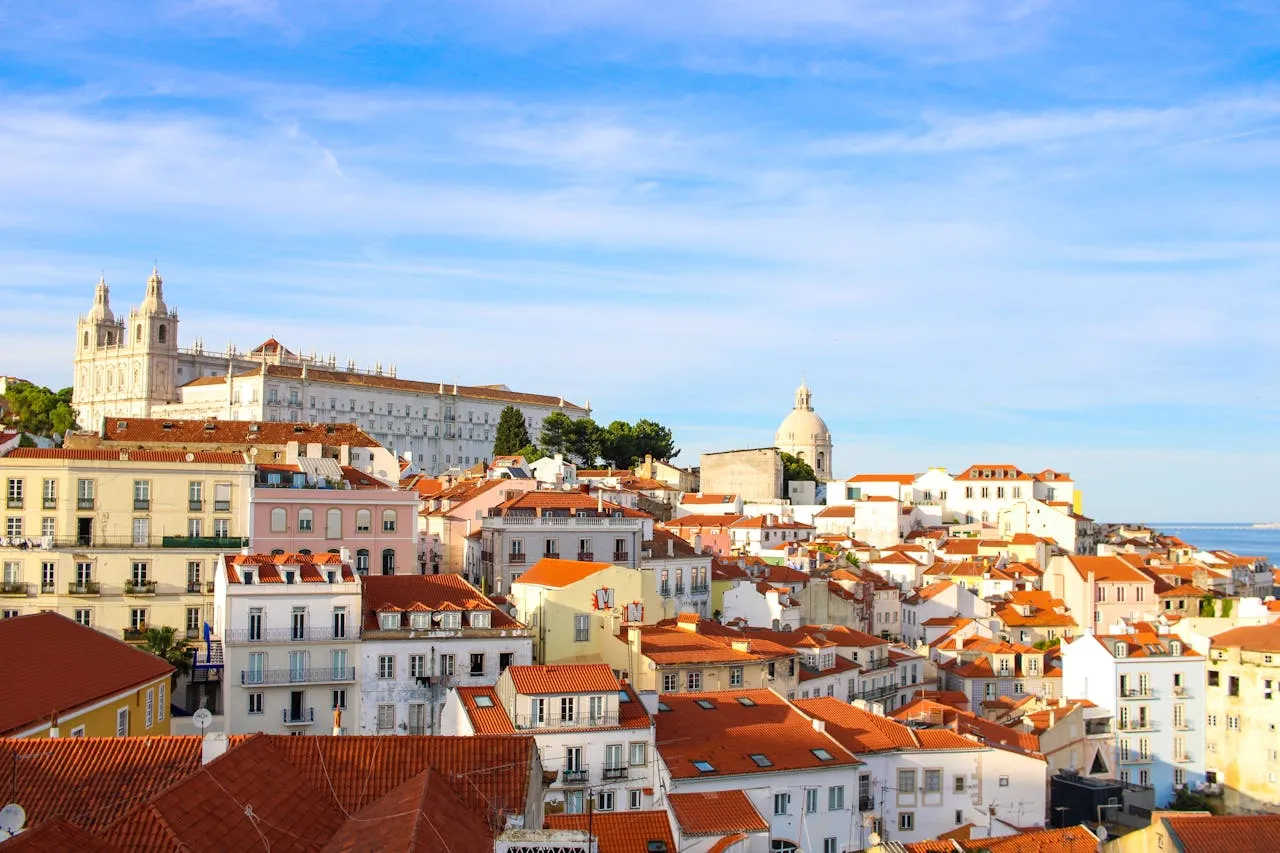
Portugal has rapidly transformed from a quiet corner of the Iberian Peninsula into one of the most sought-after travel destinations on the planet. With its sun-drenched golden beaches, historic cities adorned with colorful azulejos (tiles), world-class gastronomy, and incredibly welcoming locals, it is easy to see why millions are flocking to its shores. But as you start planning your dream getaway, the most critical question arises: When is the absolute best time to visit Portugal?
The short answer? Spring (March to May) and Autumn (September to October) are widely considered the best times to visit. During these shoulder seasons, you will experience phenomenal weather, manageable crowds, and reasonable accommodation rates.
However, the long answer is that Portugal is a remarkably diverse country with unique microclimates and seasonal events. The “perfect” time for a digital nomad seeking mild winters in the Algarve will be entirely different from the perfect time for a wine enthusiast wanting to witness the grape harvest in the Douro Valley.
In this exhaustive, master-level guide, we are diving deeper than any standard travel brochure. We will break down Portugal’s climate region by region, provide a comprehensive month-by-month analysis, outline seasonal itineraries, and answer every single question you might have.
By the end of this guide, you will know exactly when to book your flight to experience the very best of Portugal.
1. Understanding Portugal’s Microclimates: It’s Not Just Sunshine
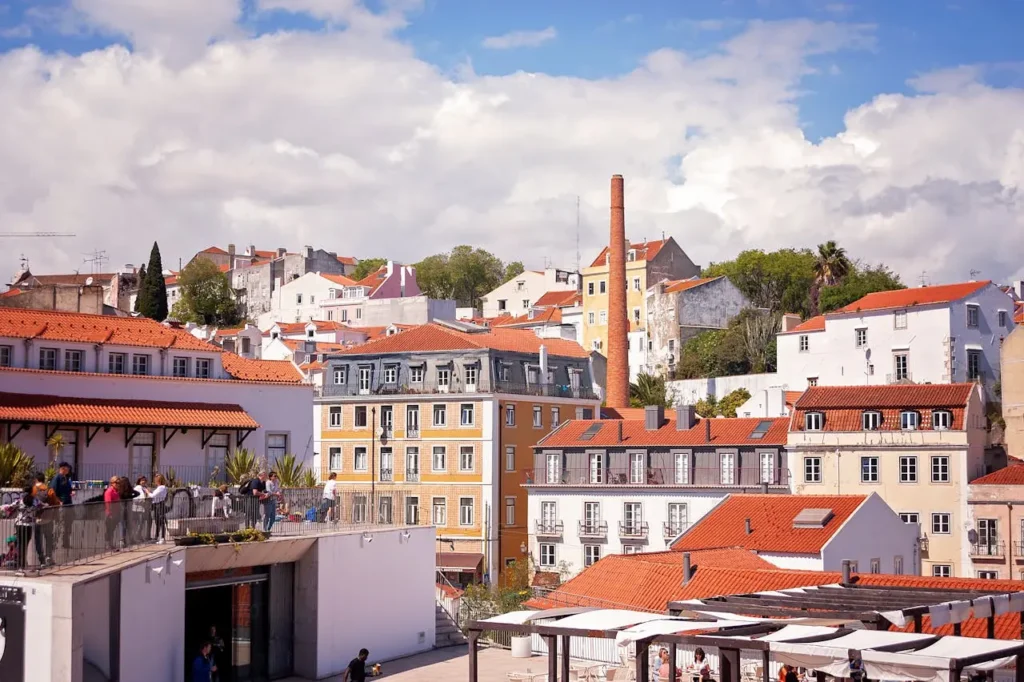
A common misconception is that Portugal is universally hot and sunny year-round. While it boasts some of the best weather in Europe, the climate varies dramatically from the verdant north to the arid south.
The North (Porto, Braga, Minho, Douro Valley)
The northern region of Portugal is heavily influenced by the Atlantic Ocean. This is the greenest part of the country, and it gets its lush landscapes from a fair amount of rainfall.
- Summers: Warm, pleasant, and highly enjoyable. Temperatures generally hover around 75°F to 82°F (24°C to 28°C), avoiding the oppressive heat found further south.
- Winters: Cool, damp, and rainy. Temperatures range from 45°F to 55°F (7°C to 13°C). Snow is rare in the cities but common in the mountainous Peneda-Gerês National Park.
- Best Time to Visit the North: Late Spring (May) and early Autumn (September) offer the perfect balance of dry days and comfortable temperatures for exploring the steep, hilly streets of Porto.
Central Portugal (Lisbon, Sintra, Óbidos, Nazaré)
Central Portugal serves as a transitional climate zone. It combines the Atlantic breezes with Mediterranean warmth.
- Summers: Hot and very dry. Lisbon frequently sees temperatures exceeding 85°F (30°C) in July and August. However, coastal towns like Sintra and Cascais benefit from cooling ocean winds, making them slightly more temperate.
- Winters: Mild but unpredictable. You can experience a week of brilliant, crisp sunshine followed by three days of heavy Atlantic rain.
- Best Time to Visit Central Portugal: April, May, September, and October. You can comfortably walk the seven hills of Lisbon without melting under the midday sun.
The South (Alentejo and The Algarve)
Welcome to Portugal’s quintessential Mediterranean climate. The Algarve is famous for boasting over 300 days of sunshine annually.
- Summers: Blistering hot and very dry. The interior region of Alentejo can become a furnace, frequently pushing past 100°F (38°C). The Algarve coast is slightly cooler but remains hot enough for all-day beach lounging.
- Winters: Incredibly mild and generally sunny. Daytime temperatures rarely drop below 60°F (15°C). While the ocean is too cold for swimming, it is a paradise for golfers and winter sun-seekers.
- Best Time to Visit the South: For guaranteed beach weather, June through September. For active holidays (hiking, golfing, cycling), October through April is ideal.
The Islands (Madeira and the Azores)
- Madeira: Known as the “Island of Eternal Spring,” Madeira enjoys a subtropical climate. Temperatures rarely fluctuate far from 68°F to 78°F (20°C to 26°C) year-round. It is truly a 365-day destination.
- The Azores: Located far out in the mid-Atlantic, the Azores are wild, lush, and unpredictable. The weather changes rapidly—you might experience heavy rain, dense fog, and brilliant sunshine all within a few hours. Summer (June to August) is the most reliable time to visit.
[Internal Link Placeholder: Check out our complete guide to Island Hopping in the Azores]
2. The Four Seasons of Portugal: A Deep Dive
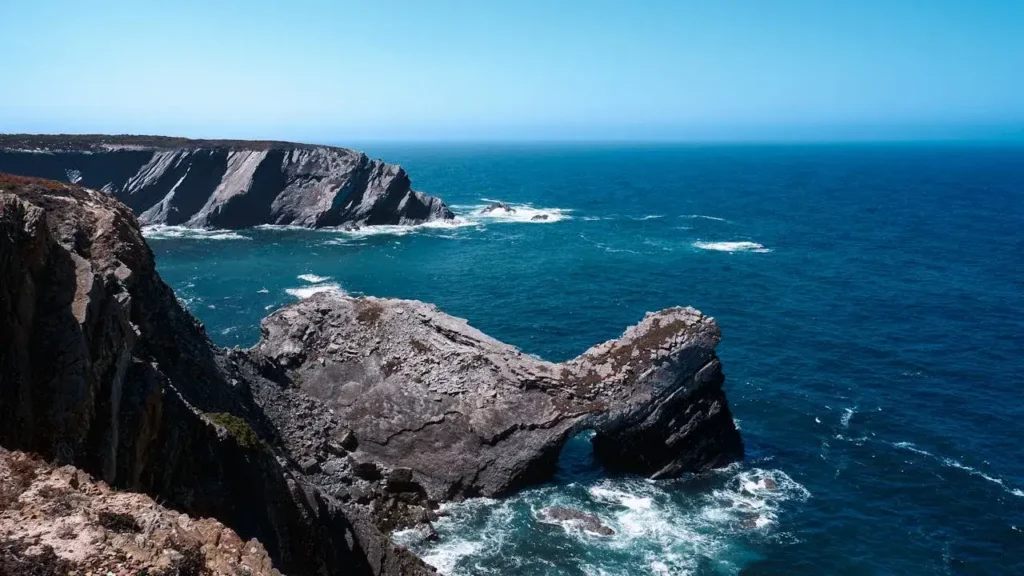
Let us explore what each season brings to the table, including the pros, the cons, and the optimal regions to explore.
Spring in Portugal (March – May): The Season of Awakening
Spring is arguably the most magical time to step foot in Portugal. The winter rains have rejuvenated the earth, resulting in spectacular displays of wildflowers covering the countryside, particularly in the Alentejo region.
The Weather: March starts off cool and breezy, but by May, you are experiencing prime beach weather in the south and perfect sightseeing weather in the north.
- Average Highs: 60°F – 75°F (16°C – 24°C)
- Average Rainfall: Moderate in March, dropping significantly by May.
The Vibe:
There is a palpable sense of excitement in the air. Outdoor terrace cafes (esplanadas) reopen, and locals shed their winter coats. The major tourist attractions, like the Pena Palace in Sintra or the Livraria Lello in Porto, are busy but not overwhelmingly crowded.
Pros of Spring Travel:
- Perfect Sightseeing Weather: Not too hot to climb hills, not too cold to dine outside.
- Nature at its Best: Ideal for hiking the Rota Vicentina or exploring the Douro Valley before the summer heat turns the terraced vineyards brown.
- Shoulder Season Pricing: Flights and boutique hotels offer excellent value, often 20-30% cheaper than summer rates.
Cons of Spring Travel:
- Unpredictable Rain: The famous phrase “April showers” applies heavily to northern and central Portugal. You must pack a light rain jacket.
- Chilly Ocean: While the air is warm, the Atlantic Ocean is still waking up from winter. Swimming requires bravery (or a thick wetsuit).
Top Spring Itinerary Idea (7 Days):
- Days 1-3: Explore Lisbon, taking a day trip to Sintra to see the palaces surrounded by lush spring gardens.
- Days 4-5: Rent a car and drive north to Óbidos and the monasteries of Batalha and Alcobaça.
- Days 6-7: Finish in Porto, enjoying a scenic boat ride on the Douro River in the mild spring sun.
Summer in Portugal (June – August): The High-Energy Peak Season
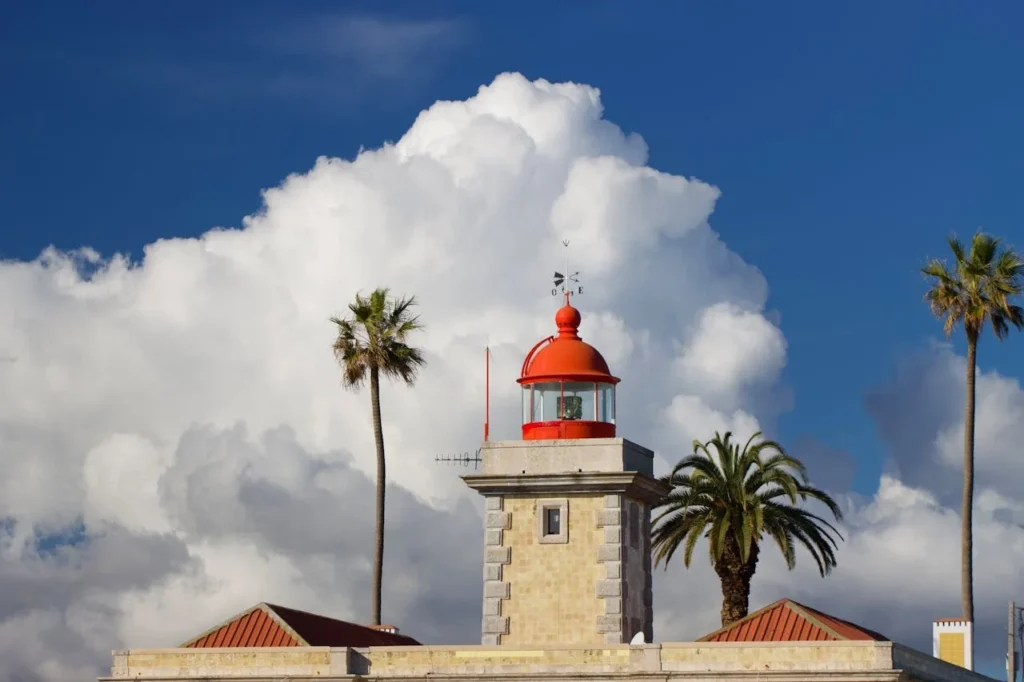
Summer is when Portugal turns up the volume. It is a season of endless sunshine, massive music festivals, and grilled sardines filling the air with a mouthwatering aroma. However, it is also the time when half of Europe descends upon the Portuguese coast.
The Weather: Hot, dry, and relentlessly sunny. In the Algarve, cloud cover is virtually non-existent.
- Average Highs: 80°F – 95°F+ (27°C – 35°C+)
- Average Rainfall: Almost zero.
The Vibe:
Festive, chaotic, and vibrant. Cities celebrate the Santos Populares (Popular Saints) in June with massive street parties. The coastal towns in the Algarve and the Silver Coast swell with tourists, families, and beach-goers.
Pros of Summer Travel:
- Guaranteed Beach Weather: If your sole purpose is to get a tan and swim in the ocean, this is the time. The Atlantic finally warms up to comfortable temperatures.
- Vibrant Nightlife: The cities come alive after dark. Rooftop bars, beach clubs, and street parties run until the early hours of the morning.
- Festivals Everywhere: From rock festivals like NOS Alive to traditional village festas, there is always something to celebrate.
Cons of Summer Travel:
- Overwhelming Crowds: You will stand in long queues for iconic monuments, and finding a spot on popular beaches like Praia da Marinha requires arriving very early.
- Peak Pricing: This is the most expensive time to visit. Hotel rates can double or triple compared to the winter months, and car rentals book out entirely.
- Extreme Heat: Exploring ancient, hilly cities like Lisbon or Évora in 95°F heat can be physically exhausting.
Top Summer Itinerary Idea (10 Days):
- Days 1-4: Fly directly into Faro and explore the eastern Algarve (Tavira) to avoid the densest crowds. Enjoy boat tours of the Ria Formosa.
- Days 5-7: Head to the rugged West Coast (Costa Vicentina) for dramatic cliffs, cooler breezes, and spectacular surfing at Praia do Amado.
- Days 8-10: Travel up to Lisbon, but do your sightseeing early in the morning and spend the afternoons relaxing by the hotel pool or at the beaches of Cascais.
Autumn in Portugal (September – November): The Golden Harvest
Ask a local when their favorite time of year is, and many will tell you it is autumn. September is essentially a secret extension of summer, while October brings crisp air, golden foliage, and the climax of the agricultural year.
The Weather: September is glorious—still hot, but without the aggressive bite of the August sun. By November, the transition to winter begins, bringing noticeable rainfall to the northern half of the country.
- Average Highs: 65°F – 80°F (18°C – 27°C)
- Average Rainfall: Low in September, increasing significantly by mid-November.
The Vibe:
The chaotic energy of summer dissipates, replaced by a sophisticated, relaxed, and deeply cultural atmosphere. This is the season of the Vindimas (wine harvest), making it a paradise for oenophiles (wine lovers) and foodies.
Pros of Autumn Travel:
- The Warmest Ocean Water: The Atlantic Ocean retains the heat it absorbed all summer, making September and early October the absolute best times for swimming and water sports.
- The Wine Harvest: Participating in a grape-stomping festival in the Douro Valley or Alentejo is a once-in-a-lifetime cultural experience.
- Perfect Photography Light: The harsh summer glare is replaced by a softer, golden-hour hue that makes the colorful tiles and terracotta roofs pop.
Cons of Autumn Travel:
- Shorter Days: Especially after the clocks go back in late October, you have fewer daylight hours for sightseeing.
- November Rains: Late autumn can be quite wet, particularly if you are visiting Porto or the Minho region.
Top Autumn Itinerary Idea (7 Days):
- Days 1-2: Start in Porto, sampling the world-famous Port wine in the historic cellars of Vila Nova de Gaia.
- Days 3-5: Take a scenic train ride or drive deep into the Douro Valley. Stay at a traditional Quinta (wine estate), participate in the harvest, and enjoy the stunning autumn colors.
- Days 6-7: Head south to Coimbra to explore one of Europe’s oldest universities before flying out of Lisbon or Porto.
Winter in Portugal (December – February): The Authentic Escape
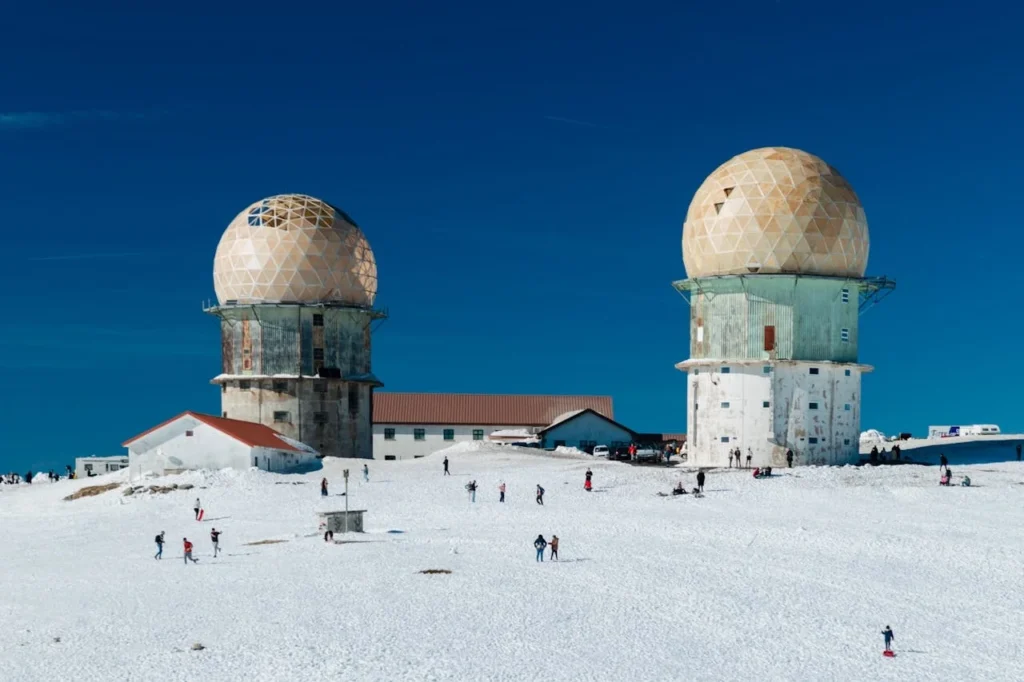
Winter in Portugal is Europe’s best-kept secret for budget travelers and those who despise crowds. While northern Europe is freezing, Portugal remains relatively temperate.
The Weather: Mild compared to the rest of the continent, though certainly not beach weather. You will need a winter coat, especially in the evenings, but you will still see plenty of blue skies.
- Average Highs: 50°F – 60°F (10°C – 16°C)
- Average Rainfall: This is the wettest season, though the rain often falls in short, heavy bursts rather than day-long drizzles.
The Vibe:
Quiet, cozy, and profoundly local. This is the time to sit by a roaring fire in a historic Pousada, eat hearty stews, and experience the cities as the locals do, devoid of tourist hordes.
Pros of Winter Travel:
- Rock-Bottom Prices: You can stay in 5-star luxury hotels for the price of a 3-star summer stay. Flights from North America and the rest of Europe are incredibly cheap.
- Zero Crowds: Have the Belém Tower or the Clérigos Tower almost entirely to yourself.
- Giant Waves: This is the season for extreme surfing. Watching the 100-foot waves crash at Praia do Norte in Nazaré is a jaw-dropping spectacle.
Cons of Winter Travel:
- Many Closures: In highly seasonal areas like the Algarve or smaller coastal towns, many restaurants, bars, and even some hotels close entirely for the winter.
- Lack of Central Heating: Paradoxically, Portuguese houses and older apartments often lack central heating, making indoors feel surprisingly chilly. Always book accommodation with modern heating or a fireplace.
[Internal Link Placeholder: Read our review of the best cozy boutique hotels in Lisbon]
3. The Ultimate Month-by-Month Weather & Events Guide
To achieve ultimate precision in your planning, let us break down Portugal calendar month by calendar month.
January
- Overview: The coldest and quietest month. The perfect time for city breaks focused on museums, art galleries, and long, lingering dinners.
- Key Events: Festa das Fogaceiras in Santa Maria da Feira—a historic festival featuring a procession of girls carrying traditional sweet bread on their heads.
- Where to Go: Lisbon, Porto, or Madeira (where the weather remains spring-like).
February
- Overview: Still chilly and quiet, but the days begin to lengthen slightly. Almond blossoms start to bloom in the Algarve, signaling the very first whispers of spring.
- Key Events: Carnaval! While not as massive as Brazil, Portugal takes Carnival seriously. The towns of Torres Vedras, Ovar, and Loulé host massive, colorful parades, satirical floats, and multi-day street parties.
- Where to Go: The Algarve to see the almond blossoms, or Torres Vedras for the traditional Carnival experience.
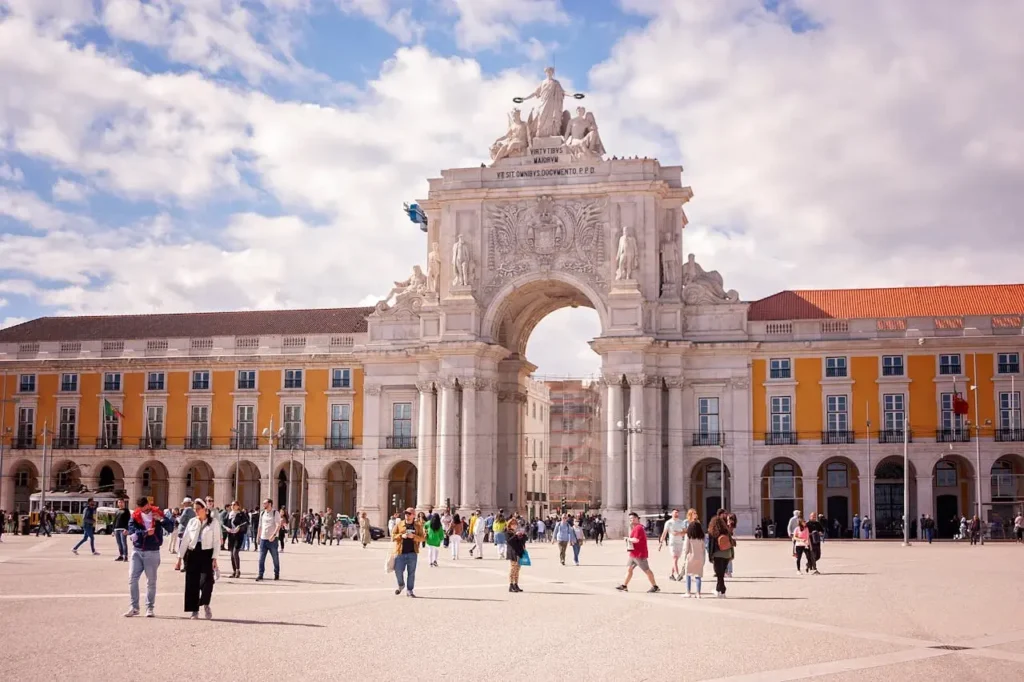
March
- Overview: The turning point. The weather can be a mixed bag of brilliant sunshine and sudden rainstorms. Tourists slowly begin to return.
- Key Events: Fantasporto, an international film festival in Porto focusing on fantasy and sci-fi.
- Where to Go: The Alentejo region. The rolling plains become incredibly green and carpeted with wildflowers, perfect for scenic drives.
April
- Overview: Spring is fully here. Outdoor cafes are buzzing. You must pack an umbrella, but the temperatures are delightful.
- Key Events: Semana Santa (Holy Week). The city of Braga hosts the most spectacular Easter processions in the country, deeply rooted in centuries of tradition. Also, April 25th is Freedom Day, celebrating the 1974 revolution, marked by parades and festivities across the country.
- Where to Go: Braga for Easter, or the Silver Coast for pleasant, crowd-free exploration.
May
- Overview: Often considered the absolute best month to visit Portugal. The weather is flawless, the landscapes are lush, and the massive summer crowds have not yet arrived.
- Key Events: Fátima Pilgrimage (May 12-13). Hundreds of thousands of pilgrims walk to the Sanctuary of Fátima. Also, the Queima das Fitas (Burning of the Ribbons), a massive, week-long university student festival, particularly famous in Coimbra.
- Where to Go: Coimbra for the student festivals, or hike the Rota Vicentina in the southwest.
June
- Overview: The unofficial start of summer and the month of the Santos Populares (Popular Saints). The cities are decorated with paper garlands, and the smell of grilled sardines is everywhere.
- Key Events: Santo António in Lisbon (June 12-13) turns the historic Alfama district into one giant street party. São João in Porto (June 23-24) involves spectacular fireworks and the bizarre tradition of hitting strangers on the head with squeaky plastic hammers.
- Where to Go: Lisbon or Porto. You simply cannot miss the June festivals if you want to experience authentic Portuguese joy.
July
- Overview: Peak summer. Temperatures soar, especially inland. The beaches are packed, and advance bookings for everything are mandatory.
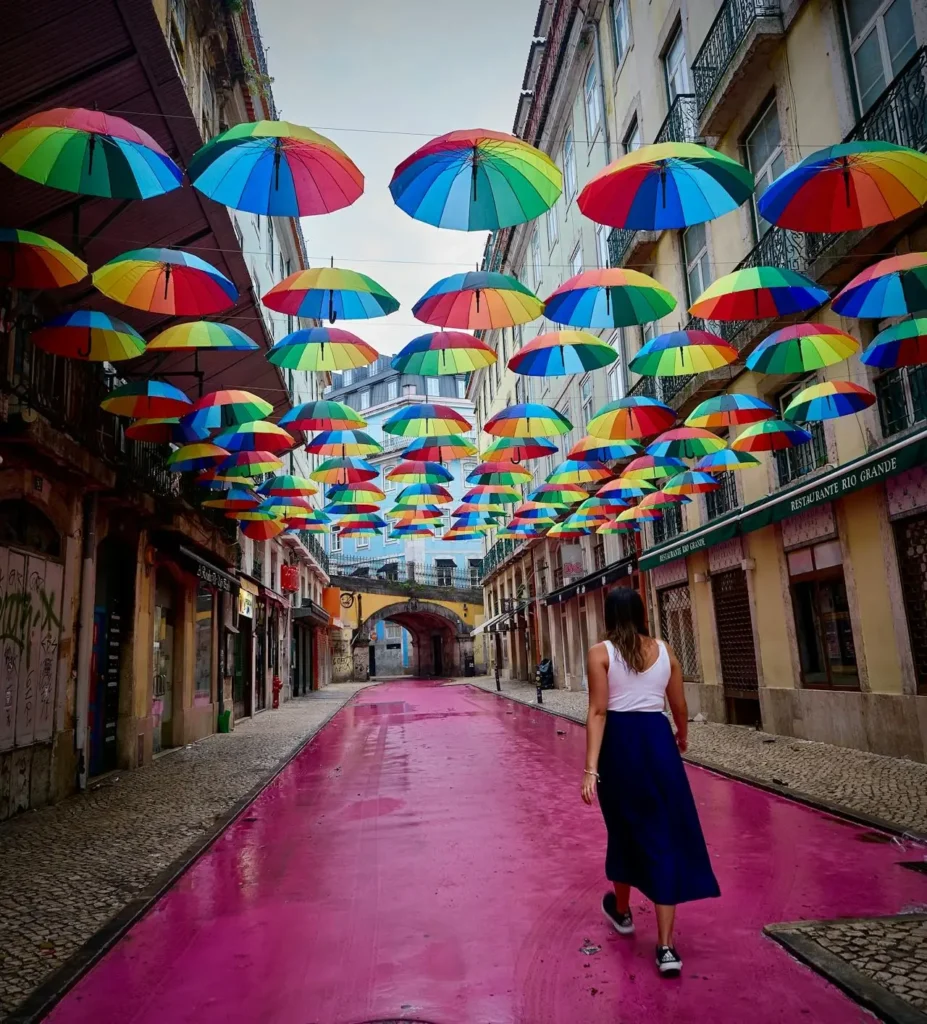
- Key Events: Summer music festivals kick off. NOS Alive in Lisbon is one of Europe’s premier rock and indie festivals. AgitÁgueda sees the streets of Águeda covered in thousands of colorful floating umbrellas.
- Where to Go: The coastal towns. Head to Ericeira or Peniche to catch the cooling Atlantic breezes.
August
- Overview: The busiest, hottest month. This is when the Portuguese themselves take their annual holidays, joining the millions of foreign tourists.
- Key Events: Romaria de Nossa Senhora da Agonia in Viana do Castelo, a massive traditional festival with incredible gold jewelry, parades, and folk dancing.
- Where to Go: If you must visit in August, try the Azores or Northern Portugal (like the Peneda-Gerês National Park) to escape the most intense heat and the heaviest Algarve crowds.
September
- Overview: The smart traveler’s summer. The schools go back, slashing the crowds in half, but the weather and ocean temperatures remain absolutely glorious.
- Key Events: The grape harvest begins in the Douro and Alentejo. BPM Festival in the Algarve draws massive crowds for electronic music.
- Where to Go: The Algarve for perfect beach days without fighting for towel space, or the Douro Valley to witness the harvest.
October
- Overview: A beautiful transition month. Early October feels like summer; late October brings autumn chills. The autumn foliage in the north is stunning.
- Key Events: The National Gastronomy Festival in Santarém, a must-visit for foodies wanting to sample dishes from every region of Portugal in one place.
- Where to Go: The Douro Valley for autumn colors, or Nazaré to see if the big winter swells have started to arrive.
November
- Overview: The onset of winter. It is generally the wettest month, but it is also the time when the country returns to its quiet, authentic self.
- Key Events: São Martinho (St. Martin’s Day) on November 11th. Locals celebrate the new wine (magusto) by eating roasted chestnuts sold from street carts and drinking jeropiga (a sweet fortified wine).
- Where to Go: Lisbon. The weather is still crisper and sunnier than most of Europe, making city exploration highly rewarding.
December
- Overview: Festive and magical. While not snowy, Portuguese towns go all out with Christmas lights, decorations, and nativity scenes (presépios).
- Key Events: Christmas markets across the country. The standout event is New Year’s Eve (Passagem de Ano) in Madeira, which holds a Guinness World Record for its unbelievable fireworks display over Funchal harbor.
- Where to Go: Madeira for the ultimate New Year’s Eve, or Óbidos, which transforms its medieval castle into a “Christmas Village” (Vila Natal).
4. Best Time to Visit Portugal for Specific Travel Goals
To provide even more value, let’s categorize the ideal timing based on your personal travel style and interests.
🏄 Best Time for Surfing
Portugal is Europe’s surfing capital, offering world-class waves for every skill level.
- For Beginners: May to September. The swells are smaller, the weather is warm, and surf schools are operating at full capacity in places like Baleal (Peniche) and the Algarve.
- For Advanced Surfers: October to March. The North Atlantic winter storms send massive, powerful swells to the Portuguese coast. Supertubos in Peniche and the legendary monster waves of Nazaré are active during this time.
🍷 Best Time for Wine Lovers
- The Ultimate Choice: September and October. This is the Vindima (harvest) season. You can participate in the ancient tradition of stomping grapes by foot in large granite tanks (lagares) in the Douro Valley.
- The Alternative: May and June. The vineyards are lush and intensely green, the weather is beautiful for sitting on a terrace with a glass of Vinho Verde, and the tasting rooms are not overly crowded.
💸 Best Time for Budget Travelers
- The Ultimate Choice: January and February. Accommodation prices hit their annual low. You can find incredible deals on luxury properties and cheap flight routes.
- The Alternative: November. Similar low prices, though with a higher chance of rain.
👨👩👧👦 Best Time for Families with Children
- The Ultimate Choice: June and September. You get all the benefits of summer weather for beach days and water parks, but you avoid the absolute peak chaos and extreme heat of August.
- The Alternative: The Easter Holidays (April). Great for active families who prefer exploring castles, visiting oceanariums, and hiking, rather than purely lying on the beach.
📸 Best Time for Photography
- The Ultimate Choice: October and November. The autumn light is spectacular, casting long, golden shadows across the tiled facades of Lisbon and Porto. The morning fog rolling through the Sintra mountains provides a moody, mystical atmosphere.
- The Alternative: Spring (April/May). For capturing the vibrant colors of blooming wildflowers along the coast and the incredibly clear, pollution-free blue skies.
5. What to Pack for Portugal by Season
Packing correctly can make or break your trip. Here is an advanced, SEO-optimized packing checklist based on the seasons:
Spring (March – May)
- Light layers (t-shirts and cardigans)
- A reliable, lightweight rain jacket or windbreaker
- Comfortable walking shoes with good grip (the cobblestone streets, known as calçada portuguesa, are notoriously slippery, even when dry!)
- Sunglasses and sunscreen (the sun is stronger than you think)
Summer (June – August)
- Lightweight, breathable fabrics (linen, cotton)
- Multiple swimsuits
- A wide-brimmed hat and high-SPF sunscreen
- A light sweater for the evenings (especially if visiting the north or coastal towns)
- Comfortable sandals
Autumn (September – November)
- A mix of short-sleeve and long-sleeve shirts
- A medium-weight jacket or fleece
- Sturdy, water-resistant walking shoes
- An umbrella and a rain shell
- Smart-casual evening wear (if visiting upscale wine estates or restaurants)
Winter (December – February)
- A warm winter coat (a puffer jacket or heavy wool coat)
- Scarf, gloves, and a beanie (especially for the north and central regions)
- Waterproof boots or shoes
- Warm pajamas or loungewear (remember, many indoor places lack strong central heating)
6. Advanced Tips: How to Avoid the Crowds in Peak Season
If your schedule strictly limits you to visiting Portugal in July or August, do not panic. You can still have a magical experience by following these advanced travel strategies:
- Ditch the Algarve for the Alentejo Coast: Instead of fighting for space in Albufeira, head slightly north to the Alentejo coast (e.g., Vila Nova de Milfontes or Comporta). The beaches are wilder, dramatically beautiful, and far less crowded.
- Explore the Interior: Everyone hugs the coastline in summer. Head inland to historic frontier towns like Évora, Monsaraz, or the schist villages (Aldeias de Xisto) in central Portugal. It will be hot, but you will have the historic sites largely to yourself.
- The “Early Bird” Rule: Popular sites like the Pena Palace or the Jerónimos Monastery become incredibly congested by 10:30 AM. Arrive 15 minutes before the gates open, do your sightseeing, and leave just as the tour buses arrive.
- Embrace the Portuguese Schedule: Take a siesta during the hottest part of the day (2 PM to 5 PM). Emerge in the late afternoon, hit the beach at 6 PM (the light is beautiful), and eat dinner at 9 PM or 10 PM like a local.
Frequently Asked Questions
How many days do I need in Portugal?
To get a proper feel for the country, a minimum of 7 to 10 days is recommended. This allows you to explore Lisbon, take a day trip to Sintra, travel up to Porto, and perhaps see a bit of the coast or the Douro Valley. If you want to include the Algarve or the islands, you should plan for 14 days.
Is Portugal expensive to visit?
Compared to Western European destinations like France, the UK, or Italy, Portugal is highly affordable. However, prices have risen significantly in recent years, especially in Lisbon, Porto, and the Algarve during the summer. Visiting in the shoulder or off-season will drastically reduce your costs.
When is the rainy season in Portugal?
The rainiest months are typically November through February, particularly in the northern half of the country (Porto, Minho). The Algarve in the south remains relatively dry year-round.
Can you swim in the ocean in Portugal?
Yes, but be prepared! The Atlantic Ocean is much colder than the Mediterranean Sea. The warmest water temperatures are found in August and September, particularly in the eastern Algarve (near Tavira), where the water can reach 72°F to 75°F (22°C to 24°C).
What is the worst time to visit Portugal?
There is no truly “bad” time, but August is generally considered the most challenging month due to the combination of intense heat, massive crowds, fully booked restaurants, and peak prices.
Do I need to rent a car in Portugal?
If you are only visiting Lisbon and Porto, a car is a hindrance—parking is difficult, and public transport is excellent. However, if you want to explore the Douro Valley, the Alentejo plains, or the hidden beaches of the Algarve, renting a car is highly recommended.
Is Portugal safe for solo travelers?
Absolutely. Portugal consistently ranks as one of the top 10 safest countries in the world on the Global Peace Index. Violent crime is extremely rare. Just watch out for petty pickpocketing in crowded tourist areas.
The Final Verdict: Booking Your Dream Portuguese Adventure
Ultimately, the best time to visit Portugal is whenever you can make the journey happen.
If you want the textbook-perfect vacation, aim for May, June, September, or October. You will be rewarded with glorious weather, vibrant culture, and the freedom to explore without the suffocating crowds of peak summer.
Portugal is a country that rewards slow travel, curiosity, and an appetite for pastel de nata. Whether you are wandering through the misty, romantic forests of Sintra in November, surfing the legendary breaks of Peniche in March, or sipping cold white wine overlooking the sun-drenched Algarve coast in July, Portugal will undoubtedly steal a piece of your heart.
Start planning your itinerary today, and get ready to experience the magic of Europe’s most captivating destination.
[Internal Link Placeholder: Read Next – 50 Essential Portuguese Phrases Every Traveler Must Know]