The best time to visit New Zealand isn’t what travel brochures suggest. While most guides push summer as the ideal window, locals know the reality is far more nuanced. New Zealand’s reverse seasons, dramatic microclimates, and regional variations mean timing your visit requires insider knowledge beyond basic weather charts.
Choosing the wrong season can mean crowded trails, inflated prices, and closed attractions. This guide breaks down what each season actually offers, including when locals travel, money-saving booking windows, and activity-specific timing. You’ll discover the sweet spots tourists miss and the honest truth about New Zealand’s unpredictable weather patterns.
Why New Zealand’s Weather is Nothing Like You Expect
The Southern Hemisphere Surprise
New Zealand operates on opposite seasons from the Northern Hemisphere. December through February brings summer heat, while June to August delivers winter cold. Christmas falls during peak beach season, not in the snow. This reversal affects more than just calendar planning.
Mean annual temperatures range from 10°C in the south to 16°C in the north. The warmest month is usually January or February, with the coldest being July. In contrast to continental climates, New Zealand experiences relatively small variations between summer and winter temperatures, though inland and eastern areas see greater swings up to 14°C. The north of the North Island can have warm subtropical weather in summer, while inland alpine areas of the South Island can drop to -10°C in winter.
Temperature drops about 0.7°C for every 100 meters of altitude. This creates dramatic variations across short distances, particularly in mountainous regions where elevation changes rapidly.
Microclimates That Change Everything
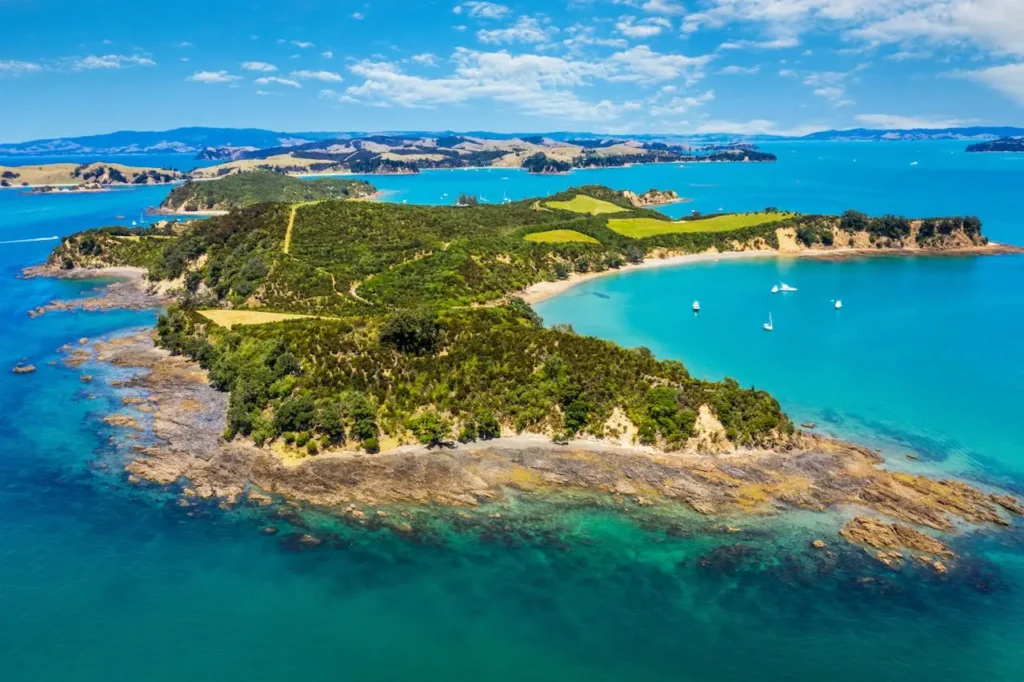
New Zealand packs extreme climate diversity into a small geographic area. The country’s long, narrow shape stretching more than 1,600 kilometers from Cape Reinga to Bluff creates vastly different conditions between north and south . Mountain chains running northeast to southwest divide the country into dramatically different climate regions.
The Southern Alps force westerly winds upward, creating orographic rainfall on the western slopes. Milford Sound receives over 6,700 mm of rainfall annually. Just 100 kilometers away, Alexandra in Central Otago gets only slightly more than 300 mm, giving it a borderline oceanic/semi-arid climate. This rain shadow effect explains why the West Coast of the South Island is the wettest area while the eastern regions remain the driest.
Most areas receive between 600 and 1,600 mm of rainfall spread throughout the year. However, regional patterns vary significantly. Northern and central areas get more rain in winter, while southern regions experience their driest conditions during winter months.
Individual regions develop their own microclimates. Nelson enjoys unusually warm weather because mountain ranges protect it from the south and west. Wellington stays perpetually windy due to westerly winds funneling through Cook Strait. Central Otago and inland Canterbury have the closest thing to continental climates, with summer temperatures in the low 30s °C and severe winter frosts.
What Weather Forecasts Won’t Tell You
The “four seasons in one day” saying holds genuine truth. Weather systems move rapidly across the country, caught between subtropical air masses and polar southern influences. New Zealand sits in the Roaring Forties, where fast-moving weather systems contribute to highly changeable conditions.
Forecasters face unique challenges. Mountains create patchy radar coverage, leaving gaps in atmospheric monitoring. Sudden changes, particularly thunderstorms, prove difficult to predict in mountainous terrain where weather varies rapidly from place to place. Systems can get trapped and stall for days when cold pools of air get surrounded by warm air.
The sun’s strength catches visitors off guard. UV rays are much stronger than elsewhere due to relatively little air pollution and less ozone. You can burn quickly without sunscreen between September and April, especially between 10am and 4pm, even on cloudy days. Pack a raincoat regardless of season, as showers arrive without warning.
Breaking Down Each Season: The Unfiltered Truth
Each season delivers a different New Zealand. Understanding these distinctions shapes your entire trip, from what you pack to how much you pay.
Summer (December to February): Peak Season Reality
Summer brings the best weather and the biggest crowds. Temperatures typically range between 20-30°C, with some inland areas occasionally exceeding 35°C. The North Island gets warmer, with Auckland and Northland often reaching 28-30°C, while the South Island stays cooler except in Canterbury and Central Otago where dry conditions can push temperatures to 35°C.
January and February are the hottest months. This coincides with New Zealand’s summer holidays, when locals travel domestically through mid-January. Early January becomes exceptionally busy, with many city businesses closing as everyone takes time off. Visitor numbers peak during this window, making accommodation scarce and expensive. Beach destinations like the Bay of Islands and Mount Maunganui require advance bookings to avoid disruption.
February stays hot, with temperatures reaching 86°F in some areas, though 77°F is more common. Accordingly, it ranks as one of the driest months, making it ideal for bushwalking, mountain biking, and boat cruising.
Autumn (March to May): The Local Favorite
March signals summer’s official end, but warm weather persists. Beach swimming continues through March and well into April in many regions. Water temperatures remain warm, with the sun setting around 8pm through March, allowing extended exploration time.
This shoulder season sees crowds disappear once school starts, but sunshine remains plentiful. Rental campervans and accommodation show better availability with potentially lower prices. March also launches feijoa season, with these small green guavas appearing in supermarkets and dangling from hedges throughout the North Island. The wine harvest happens during March, with workers picking grapes among vineyard rows.
Temperatures range from 17-21°C on average. April brings autumn colors as foliage turns orange, red, yellow, and brown. While this may be true, April weather proves unpredictable, shifting rapidly from sunny to cold and rainy. May turns colder and quieter, becoming one of the cheapest months to travel as places transition between summer and winter seasons.
Winter (June to August): Cold Facts and Hidden Gems
Winter delivers the country’s coldest, wettest conditions. July stands as the coldest month. The North Island experiences gray, wet weather, with Auckland averaging 15 days of rain in July compared to Christchurch’s 6 days. The South Island gets much colder but drier, with Christchurch and Queenstown enjoying clear, bright days.
For instance, ski fields open in June, with highest snowfall arriving throughout July and August. Queenstown and Wānaka in the South Island, plus the Central Plateau in the North Island, become popular skiing and snowboarding destinations. Outside ski towns, winter offers the quietest, cheapest travel period with good deals on activities and accommodation.
Spring (September to November): Unpredictable but Rewarding
Spring brings warming weather alongside high rainfall. Warm days and cool nights become common. The countryside fills with bouncing lambs and spring blossoms, creating excellent photo opportunities. November feels most like summer, with days in the high teens and low 20s °C. Late October and November mark when alpine trails shed snow and become walkable again.
Best Time to Visit for Specific Activities
Matching your visit to specific activities changes everything. The same location offers vastly different experiences depending on when you arrive.
Hiking and Tramping the Great Walks
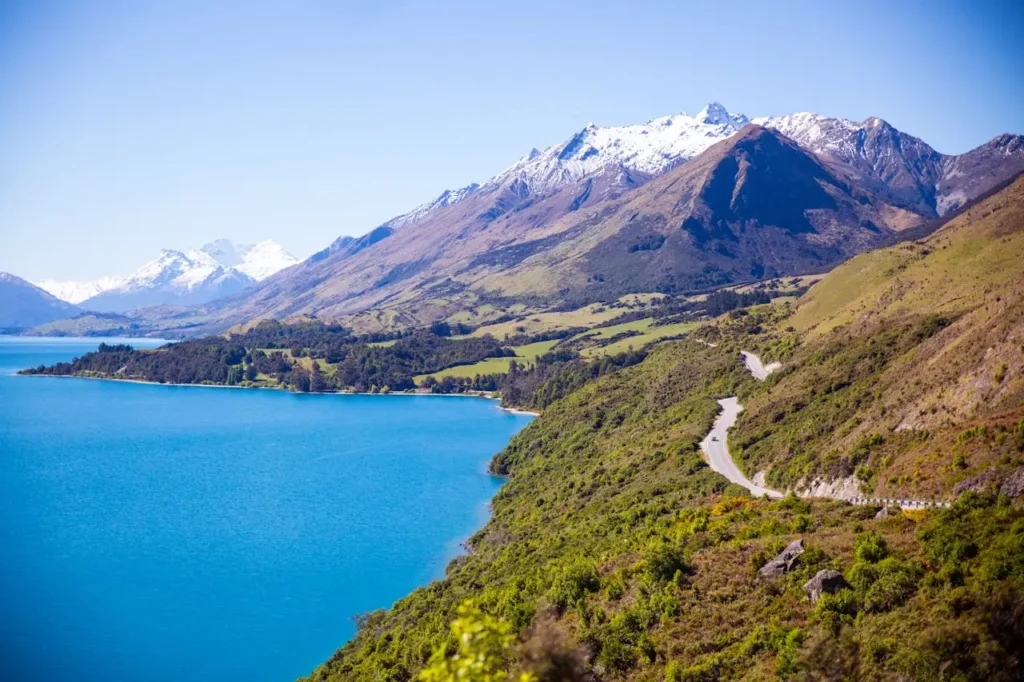
The Great Walks season runs from late October to late April. Spring ranks among the best times for hiking, offering comfortable temperatures, new growth, and plenty of sunshine. September through November brings additional benefits, including vast swathes of wild lupins in purple, pink, and yellow along tracks and valley floors. Waterfalls reach their finest during spring months due to additional rainfall and snowmelt after winter.
Summer remains the peak tramping season from December to mid-March, characterized by blue skies and warm weather. February through March delivers the best conditions as early summer can still be wet and cold. January and February see temperatures between 23-28°C. Autumn offers the most stable weather patterns, with 4-7 day periods of fine weather interspersed with 2-3 days of rain, making trip planning easier. Huts become quieter as tourists leave, though the weather stays fine through the first month or so.
Wildlife Watching and Marine Life
Kaikōura offers giant sperm whales year-round, often close to shore. Humpback whales and southern right whales appear from May to September, moving closer to shore where food is abundant and exhibiting behaviors like breaching and tail slapping. During summer months (December-February), whales move to deeper waters.
Dolphins show peak activity from October to April in warmer months. Fiordland crested penguins nest from July to November during their breeding season, returning to secluded beaches to lay eggs and raise chicks. New Zealand fur seals can be spotted year-round but remain particularly active during cooler months when they come ashore to rest and breed.
Skiing and Snow Sports
Ski fields open in June, with highest snowfall throughout July and August. Mid-July through August brings peak season conditions with reliable snow, deep bases, and regular dumps. August often delivers the snowiest conditions across all resorts. Spring skiing from September to early October offers sunny laps, soft snow, and surprise powder days with fewer crowds.
Photography and Scenic Landscapes
Autumn provides golden light, crisp mornings, and painterly colors, making it the preferred season for many photographers. The light becomes forgiving yet expressive, offering time to explore scenes from different angles. Winter delivers low light all day, creating natural softness and long shadows with quiet drama. Spring brings waterfalls at full capacity and wildflowers, with unpredictable weather requiring creative responsiveness. Summer opens high-altitude access with long daylight hours, reaching places snowbound during other seasons.
Festivals and Cultural Events
New Zealand hosts music, sport, and cultural celebrations throughout the year, though specific timing varies by event and region.
When Locals Actually Travel (And Why You Should Too)
Kiwis know something tourists often miss: the best time to visit New Zealand aligns with when locals themselves explore their own country, and it’s not during the summer crush.
Avoiding the Christmas to New Year Chaos
Christmas through New Year represents one of the busiest periods for domestic travel in New Zealand. With 71% of Kiwis planning domestic holidays, many workers take two weeks or more off during this window, creating a mass exodus from urban areas. The result is heavy traffic on main highways, particularly near major cities.
January captures 20% of annual domestic holiday visitor nights, the peak month for local travel. Popular summer destinations like Queenstown and the Coromandel see prices skyrocket during this period. Rotorua books up exceptionally quickly at Christmas. If your tour includes long drives, expect delays and potentially dangerous road conditions as locals flood popular routes. Besides traffic, attractions become crowded and accommodation sells out far in advance.
The Sweet Spot Months Locals Choose
Savvy Kiwis favor autumn, particularly March to May, as their preferred travel window. While international visitors decrease during these months, domestic demand remains relatively consistent outside the December-March peak. April captures 10% of annual domestic holiday visitor nights, ranking third busiest after January and February. This preference stems from ample sunshine combined with cooler temperatures of 17-21°C and noticeably fewer tourists.
November also ranks highly among locals who understand spring’s potential. Over 34% of New Zealanders specifically plan to travel outside school holidays. targeting these quieter periods for better value and peaceful experiences.
Shoulder Season Advantages
Shoulder seasons deliver what tourists want without peak penalties. Prices drop significantly from April onwards as supply outpaces demand . Rental cars become cheaper and accommodation options expand dramatically, with many properties sold out during summer suddenly available. Tours that book solid through December-March often have last-minute availability during April-October.
Weather proves more comfortable than expected. Autumn brings less rain and wind compared to summer months, which actually receive the bulk of New Zealand’s rainfall between October and March.
Understanding Regional Variations Between North and South Island
North Island destinations experience extreme seasonality. Eastland ranks as the most seasonal region, followed by Nelson, Northland, and Coromandel. These areas see dramatic swings between packed summers and quiet winters.
In contrast, South Island destinations maintain steadier year-round appeal. Queenstown emerges as the least seasonal destination, followed by Rotorua, Canterbury, and Mackenzie. These regions offer strong tourism propositions regardless of season, making them safer bets during shoulder periods.
Money-Saving Secrets and Booking Strategy
Timing your booking correctly saves hundreds of dollars on New Zealand trips. The difference between peak and off-peak pricing often exceeds 50%, making strategic planning worth the effort.
When Accommodation Prices Drop
May ranks as the cheapest month for accommodation, with average hotel rates at USD 125 per night. In contrast, December reaches USD 230 per night on average. Book at least 51 days before your stay to secure optimal pricing. Thursday offers the lowest nightly rates at USD 163, while Tuesday peaks at USD 213.
Boutique lodges and in-demand properties require different timing. These sell out eight to nine months in advance, particularly for summer stays. Chain hotels and motels accept short-notice bookings, often at discounted last-minute rates if you remain flexible.
Flight Booking Windows That Work
August delivers the cheapest flights from the United States at USD 934 roundtrip. December and June rank most expensive at USD 2303 and USD 1769 respectively. Book around four weeks before departure for approximately 26% savings compared to last-minute purchases . For absolute cheapest fares, book 12 weeks out.
Tuesday departures cost as low as USD 1131, while Thursday flights average USD 1258.
Free and Cheap Activities by Season
New Zealand offers exceptional value through free access. All national parks managed by the Department of Conservation have zero admission fees. Art galleries and museums across the country remain free year-round. However, paid excursions carry high costs, with glacier helicopter hikes running USD 400-500 and bungee jumping around USD 200.
What Closes Down When
Winter sees reduced operations at many coastal attractions and adventure tourism businesses outside ski regions. Some remote accommodations and seasonal restaurants close entirely from June through August.
Conclusion
The best time to visit New Zealand depends entirely on what you want from your trip. Summer delivers guaranteed sunshine but comes with crowds and premium prices. Shoulder seasons offer the sweet spot most tourists miss: great weather, manageable crowds, and significant savings. Winter works perfectly for snow sports and budget travel outside ski towns.
As opposed to following generic travel advice, use what you’ve learned here to match your visit with your priorities. Book strategically, consider regional variations, and don’t fear the shoulder months. With the right timing, you’ll experience New Zealand the way locals do—without the tourist markup.
Read More: The Ultimate Guide Best Time to Visit Australia and New Zealand together.