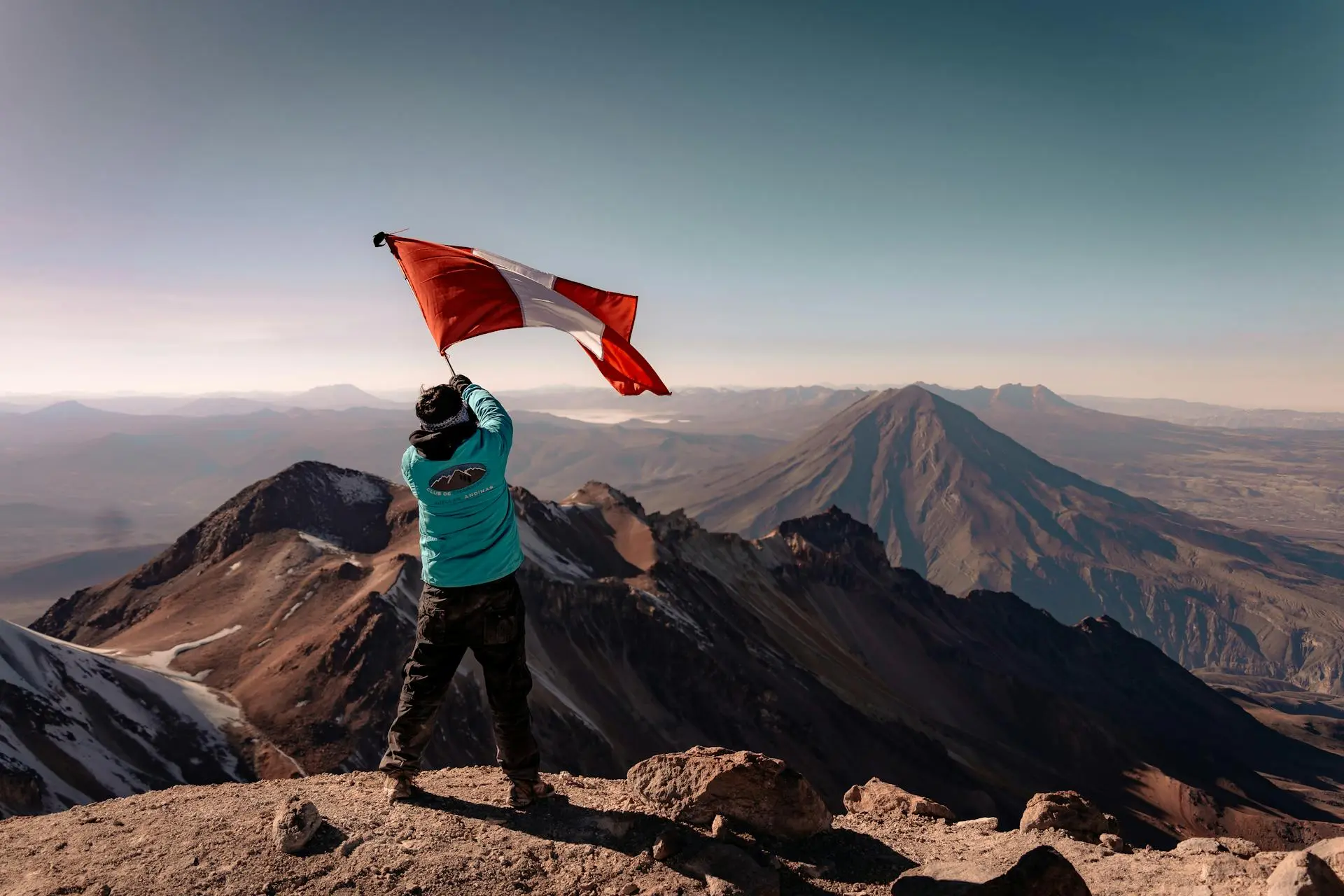
Peru offers incredible diversity across its three distinct regions – the Pacific coast, the Andean highlands, and the Amazon rainforest. Determining the best time to visit Peru depends on your travel priorities, planned activities, and which regions you want to explore. This comprehensive guide will help you understand Peru’s climate patterns, seasonal variations, and optimal timing for different experiences.
Understanding peru travel seasons is essential for planning your trip, as weather conditions vary dramatically between regions and can significantly impact your travel experience. Whether you’re dreaming of hiking the Inca Trail, exploring Machu Picchu, or venturing into the Amazon, timing your visit correctly can make the difference between a good trip and an extraordinary one.
Peru’s Climate Overview: Three Distinct Regions
Peru’s geography creates three dramatically different climate zones, each with its own weather patterns and optimal visiting times. The coastal region experiences a desert climate with minimal rainfall year-round, while the Andean highlands have distinct wet and dry seasons. The Amazon basin maintains tropical conditions with high humidity and significant rainfall throughout the year.
The coastal region, including Lima and the northern beaches, enjoys relatively stable temperatures year-round, ranging from 60-80°F (15-27°C). This area receives very little rainfall, making it accessible throughout the year. However, the winter months (June to September) can be quite gray and foggy due to the marine layer.
The Andean region, home to Cusco, Machu Picchu, and the Sacred Valley, experiences the most dramatic seasonal variations. Temperatures can range from below freezing at night to warm and pleasant during the day. The altitude also plays a significant role, with temperatures dropping approximately 3.5°F for every 1,000 feet of elevation gain.
The Amazon region maintains consistently warm temperatures between 75-90°F (24-32°C) year-round, with high humidity levels. Rainfall patterns vary, but the region generally experiences more precipitation than other areas of Peru.
Peru Dry Season vs Wet Season: Key Differences
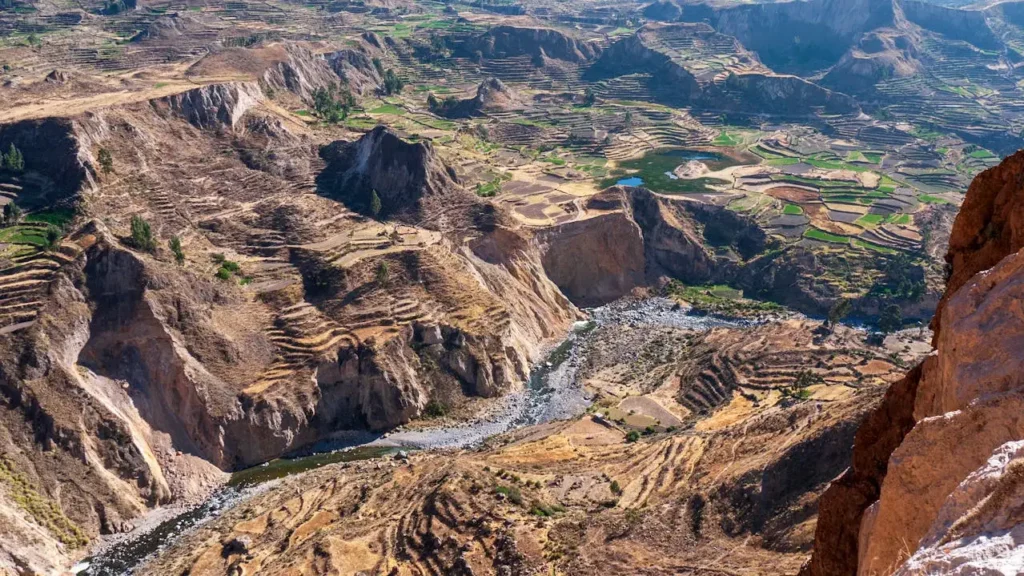
The peru dry season from May to September represents the most popular time for international visitors. During these months, the Andean region experiences minimal rainfall, clear skies, and excellent visibility for mountain views and photography. Daytime temperatures are pleasant, though nights can be quite cold, especially at higher elevations.
The peru dry season offers several advantages for travelers. Hiking conditions are optimal, with dry trails and stable weather patterns. The machu picchu best time to visit falls during these months, as clear skies provide stunning views and excellent photography opportunities. However, this popularity comes with increased crowds and higher prices for accommodations and tours.
The peru wet season from October to April brings different opportunities and challenges. While rainfall increases significantly in the Andean region, the landscape becomes lush and green. The Amazon region actually experiences its “dry” season during some of these months, making it an excellent time for jungle exploration.
Traveling during peru wet season offers distinct advantages including fewer crowds, lower prices, and unique photographic opportunities with dramatic cloud formations and vibrant landscapes. However, some high-altitude treks may be more challenging or occasionally closed due to weather conditions.
The wet season doesn’t mean constant rain throughout the day. Typically, rainfall occurs in short, intense bursts, often in the afternoon or evening, leaving mornings clear for sightseeing and activities.
Regional Timing Considerations
Coast Region: Year-Round Accessibility
The coastal region offers the most flexibility for timing your visit. Lima and surrounding areas maintain relatively stable conditions throughout the year, though the winter months (June-September) can be gray and overcast due to the marine layer known as “garúa.”
Summer months (December-March) provide the best weather for coastal activities, with sunny skies and warm temperatures perfect for beach visits in northern Peru. This period coincides with the wet season in the mountains, making it an ideal time to combine coastal relaxation with cultural experiences in Lima.
Andean Highlands: Seasonal Planning Essential
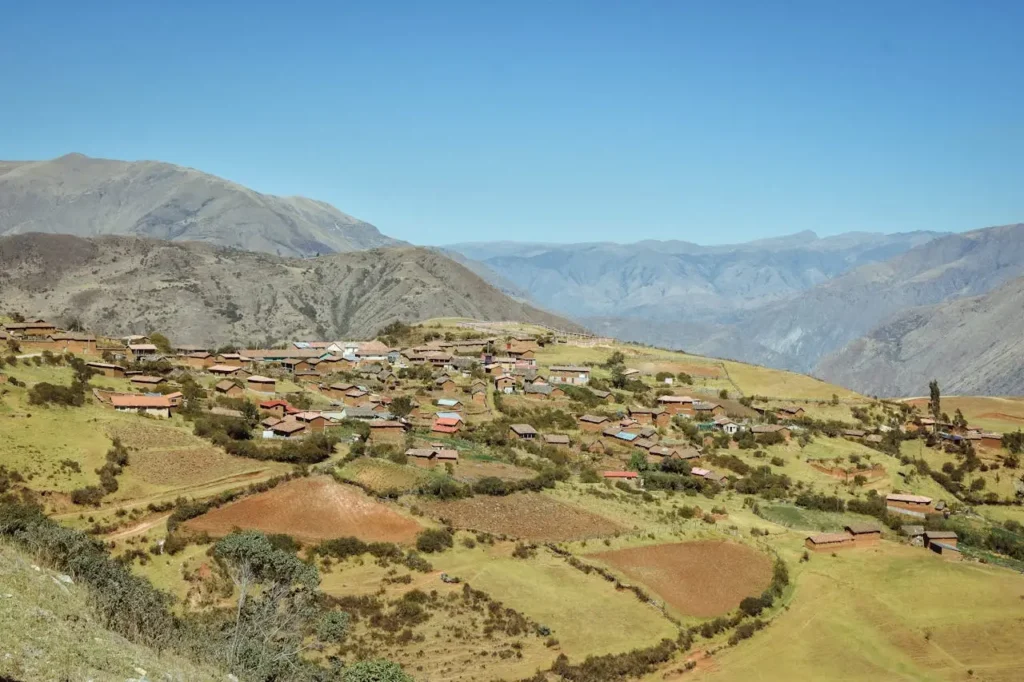
When to visit peru’s highland regions requires careful consideration of seasonal patterns. The dry season (May-September) provides optimal conditions for trekking, with the Inca Trail and other high-altitude hikes experiencing their best weather during these months.
June through August represents peak season in the Andes, offering the driest conditions but also the largest crowds and highest prices. May and September serve as excellent shoulder months, providing good weather with fewer tourists and more reasonable accommodation rates.
The wet season in the Andes (October-April) shouldn’t be completely dismissed. While rainfall increases, mornings often remain clear, and the landscape transforms into a lush, green paradise. Some travelers prefer this time for its dramatic scenery and authentic local experiences.
Amazon Region: Inverse Seasonal Patterns
The Amazon region operates on different seasonal patterns compared to the rest of Peru. The “dry” season (May-September) actually offers some of the best conditions for jungle exploration, with lower water levels making wildlife viewing easier and hiking more accessible.
During the wet season (October-April), river levels rise significantly, opening up different areas for exploration and providing unique opportunities for canopy-level wildlife viewing. Many travelers find the wet season in the Amazon particularly rewarding for birdwatching and experiencing the jungle’s full vitality.
Activity-Specific Timing Recommendations
Trekking and Hiking
The best time for trekking in Peru aligns with the dry season, particularly May through September. The Inca Trail, Salkantay Trek, and other popular routes experience optimal conditions during these months, with minimal rainfall and stable weather patterns.
July and August represent peak trekking season, offering the driest conditions but requiring advance bookings due to high demand. June and September provide excellent alternatives with good weather and fewer crowds on the trails.
Machu Picchu Visits
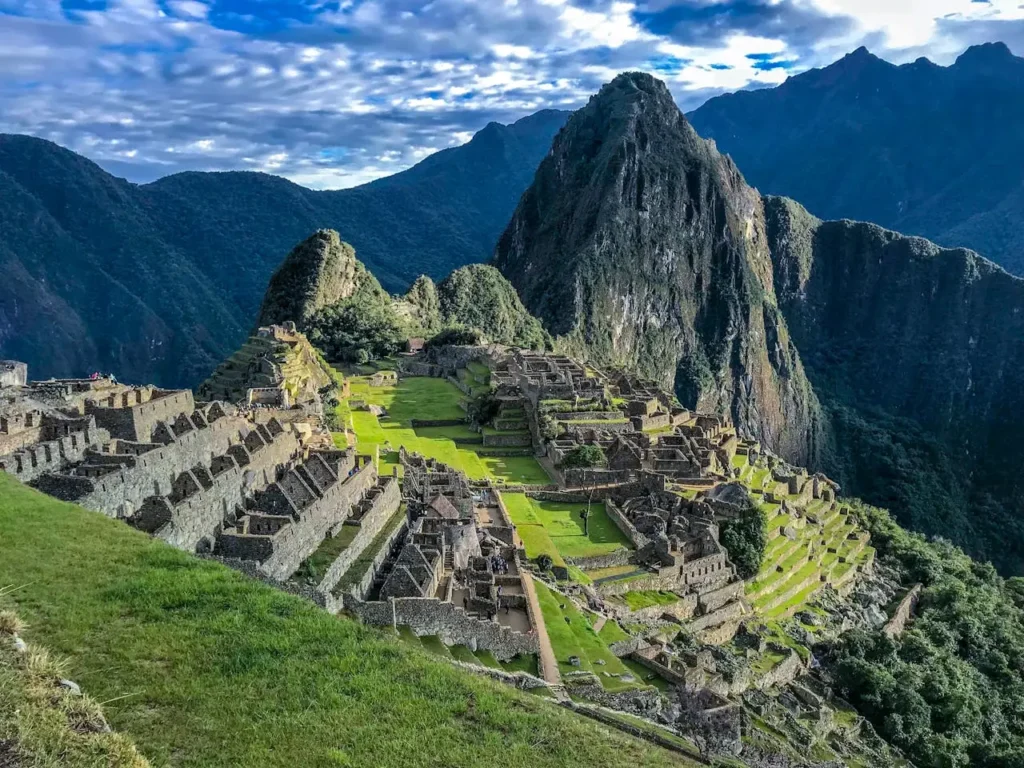
The machu picchu best time to visit falls during the dry season months, particularly June through August, when clear skies provide unobstructed views of the ancient citadel. However, these months also bring the largest crowds and highest prices.
May and September offer excellent alternatives for Machu Picchu visits, providing good weather with more manageable crowd levels. Even during the wet season, morning visits often enjoy clear conditions before afternoon clouds roll in.
Wildlife and Nature Photography
Different seasons offer unique opportunities for wildlife observation and photography. The dry season provides excellent conditions for landscape photography in the Andes, while the wet season offers dramatic cloud formations and lush vegetation.
The Amazon region provides year-round wildlife viewing opportunities, though different seasons offer varying experiences. The dry season makes terrestrial wildlife more visible, while the wet season provides better access to different forest levels and aquatic species.
Peru Weather by Month: Detailed Breakdown
Understanding peru weather by month helps you plan your specific travel dates and pack appropriately for your journey.
January-March: Wet season peak in the Andes with frequent afternoon showers. Coastal regions enjoy summer weather with warm temperatures and sunny skies. Amazon experiences variable conditions with some areas entering their dry season.
April: Transition month with decreasing rainfall in the Andes. Excellent time for fewer crowds while still enjoying relatively good weather. Coastal areas remain pleasant, and Amazon conditions vary by specific location.
May: Beginning of dry season in the Andes with improving weather conditions. Excellent shoulder season month offering good weather with fewer tourists. Coastal regions enter winter with increasing cloud cover.
June-August: Peak dry season in the Andes with minimal rainfall and clear skies. Highest tourist numbers and prices, but optimal weather conditions for most activities. Coastal areas experience winter with gray skies and cooler temperatures.
September: End of dry season with generally good weather continuing. Excellent shoulder season month with improving tourist numbers while maintaining good conditions. Coastal areas begin transitioning toward summer.
October-December: Wet season begins in the Andes with increasing rainfall. Coastal regions transition to summer with improving weather. Amazon experiences varying conditions depending on specific location and elevation.
Practical Travel Considerations
Crowds and Pricing
Peak season (June-August) brings the highest prices for accommodations, tours, and flights, along with the largest crowds at popular attractions. Booking well in advance becomes essential during these months, particularly for limited-access sites like the Inca Trail.
Shoulder seasons (May and September) offer an excellent balance of good weather and more reasonable prices. These months provide many of the benefits of peak season while avoiding the extreme crowds and costs.
Low season (October-April) offers the most affordable travel options and authentic local experiences, though weather conditions require more flexibility in planning.
Altitude Considerations
High-altitude destinations like Cusco (11,200 feet) and Machu Picchu (7,900 feet) require acclimatization regardless of season. However, the dry season’s stable weather patterns make altitude adjustment easier for many travelers.
Planning extra days for acclimatization becomes particularly important during the wet season when weather changes can exacerbate altitude-related symptoms.
Packing and Preparation
Seasonal timing significantly impacts packing requirements. Dry season travel requires warm layers for cold nights and light clothing for warm days, along with sun protection for high-altitude exposure.
Wet season travel demands waterproof gear, quick-dry clothing, and flexible itineraries to accommodate weather changes. However, the reward often includes fewer crowds and unique photographic opportunities.

Final Recommendations
The best time to visit Peru ultimately depends on your priorities, budget, and planned activities. For first-time visitors seeking optimal weather conditions and the classic Peru experience, the dry season months of May through September provide the most predictable and comfortable travel conditions.
Travelers seeking authentic experiences, lower costs, and unique photographic opportunities should consider the wet season months, particularly the shoulder periods of April-May and September-October when weather transitions provide interesting conditions with fewer crowds.
For the most balanced experience, consider visiting during May or September when you can enjoy many benefits of the dry season while avoiding peak crowds and prices. These months offer excellent weather for most activities while providing more authentic interactions with local communities and better value for your travel investment.
Remember that Peru’s diverse geography means you can often find good conditions somewhere in the country regardless of when you visit. Flexible itineraries that can adapt to seasonal conditions will help you make the most of your Peruvian adventure, no matter when you choose to explore this incredible destination.
Best Time to Visit Peru FAQs
What is the best time to visit Peru?
Which months are best for visiting Machu Picchu?
When is the rainy season in Peru, and should I travel then?
When is the right time to visit the Peruvian Amazon Rainforest?
If you are looking to extend your South American journey, understanding the best time to visit Brazil is essential, as its vast geography offers diverse climates ranging from tropical rainforests to sunny coastlines. Much like planning a trip to Peru, timing your Brazilian adventure depends on whether you want to witness the vibrant energy of Carnival in February, explore the lush Amazon, or relax on the beaches of Rio during the warm summer months. Synchronizing your itinerary with the ideal seasonal windows ensures you experience the very best of both these iconic destinations.