Iloilo, often called the “Heart of the Philippines,” is a captivating destination that seamlessly blends rich history, stunning natural beauty, and warm Filipino hospitality. Located in the Western Visayas region, this province offers travelers an authentic Philippine experience away from the typical tourist crowds. Whether you’re a history enthusiast, beach lover, or foodie, Iloilo has something special waiting for you.
Why Visit Iloilo?
Before diving into the specific places to visit in Iloilo, it’s worth understanding what makes this destination so special. Iloilo boasts Spanish colonial architecture, pristine islands, delectable cuisine, and a vibrant cultural scene. The province is home to some of the Philippines’ most beautiful heritage churches, world-class beaches, and the friendliest locals you’ll ever meet.
Top Historical and Cultural Places to Visit in Iloilo
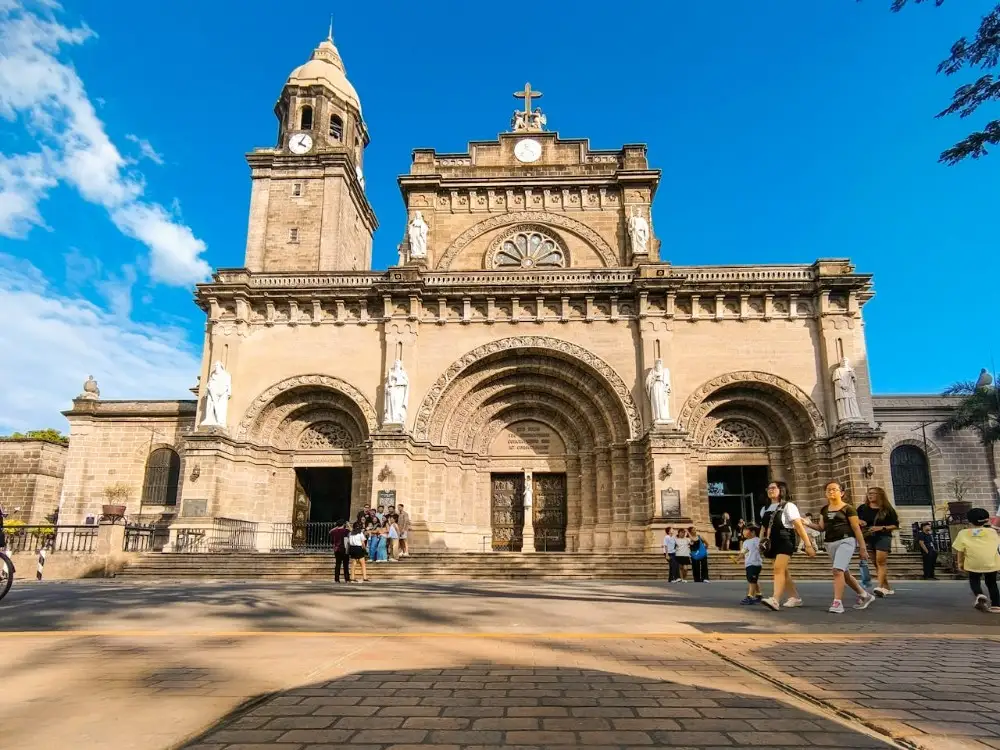
Miagao Church (Santo Tomas de Villanueva Parish Church)
No trip to Iloilo is complete without visiting the iconic Miagao Church, a UNESCO World Heritage Site and one of the most photographed churches in the Philippines. Built in 1797, this Baroque-Romanesque church features a stunning facade adorned with intricate relief sculptures depicting St. Christopher carrying the Christ child, surrounded by coconut trees and tropical flora.
The church’s massive buttresses and fortress-like appearance served a dual purpose: as a place of worship and a defensive structure against Moro raiders. The golden-hued limestone walls glow beautifully during sunset, making it a photographer’s paradise. Located about 40 kilometers from Iloilo City, Miagao Church represents the perfect fusion of European religious architecture and Filipino indigenous artistry.
Visitor Tips: Visit early morning or late afternoon for the best lighting. Dress modestly as it’s an active place of worship. Entry is free, but donations are appreciated.
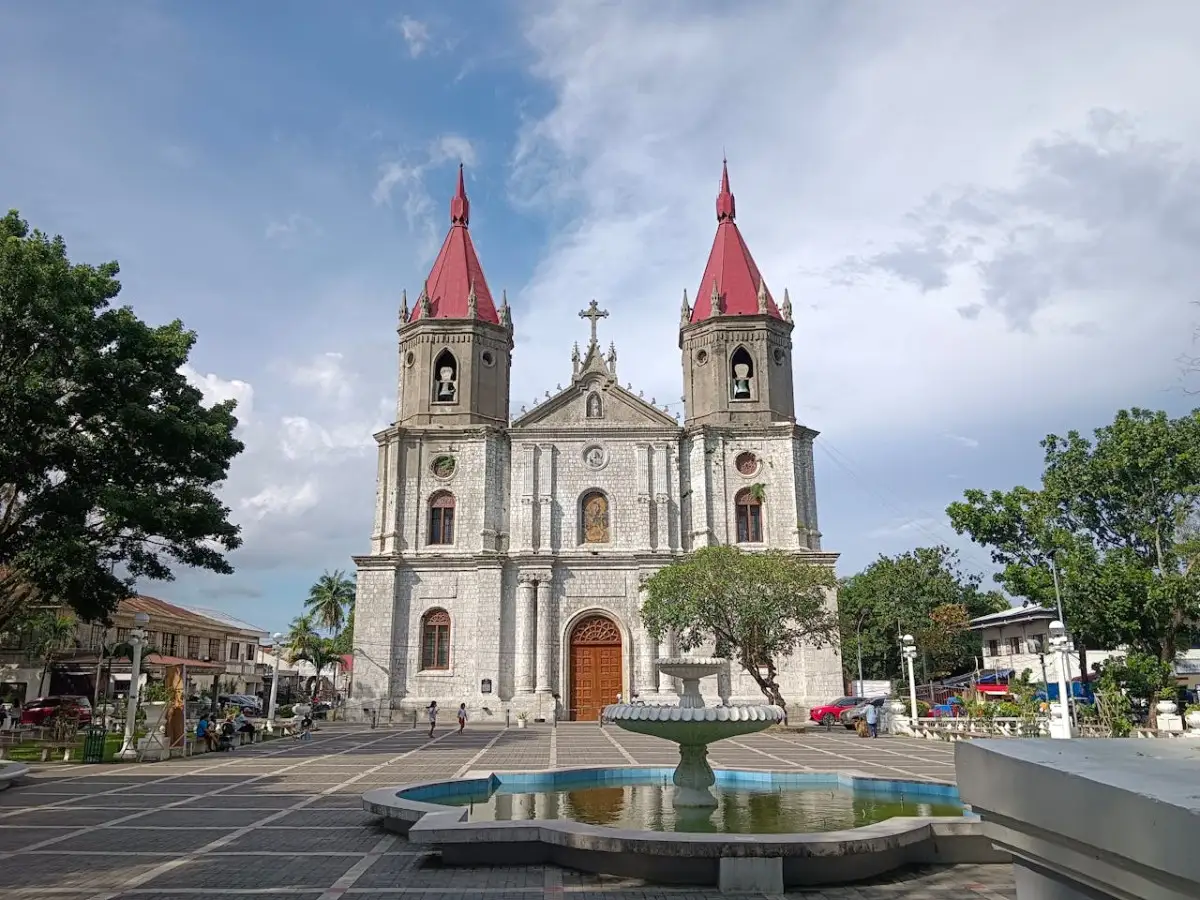
Molo Church (St. Anne Parish Church)
Known as the “Feminist Church” of the Philippines, Molo Church stands out for its Gothic-Renaissance architecture and unique feature: all the saints depicted inside are female. Built in 1831, this coral stone church features twin spires and a striking red-and-cream exterior that resembles European Gothic cathedrals.
The interior is equally impressive, with beautiful stained glass windows and ornate altars. The church’s all-female saint statues were a progressive choice for its time, celebrating the important role of women in faith and society. Located in the Molo district of Iloilo City, this church is easily accessible and perfect for a quick cultural stop.
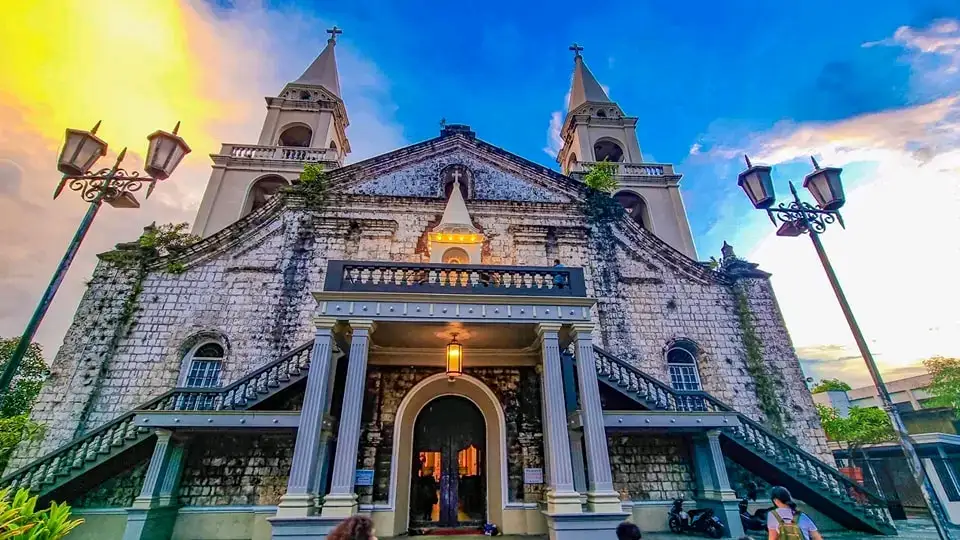
Jaro Cathedral (Metropolitan Cathedral of St. Elizabeth of Hungary)
Jaro Cathedral is the only cathedral in the Philippines with an all-male ensemble of saints, creating an interesting contrast to Molo Church. This impressive structure features a unique architectural element: its bell tower stands separately from the main church building, located across the plaza.
The cathedral houses the miraculous image of Nuestra Señora de la Candelaria (Our Lady of Candles), the patroness of Western Visayas. Pilgrims from across the region visit to pay homage to this revered image. The cathedral’s grand staircase and imposing facade make it one of the most photographed landmarks in Iloilo City.
Calle Real (J.M. Basa Street)
Step back in time as you stroll along Calle Real, Iloilo’s historic main street. Once the commercial heart of the city during the Spanish colonial period, this street is lined with heritage buildings showcasing beautiful architecture from the late 19th and early 20th centuries.
Today, Calle Real is experiencing a renaissance, with restored buildings housing cafes, restaurants, museums, and shops. The street comes alive during festivals and cultural events. Don’t miss the Iloilo Museum of Contemporary Art (ILOMOCA), which showcases works by local and national artists in a beautifully restored heritage building.
Casa Real de Iloilo
This historic building served as the seat of the Spanish colonial government in Iloilo. Built in 1869, Casa Real has witnessed significant moments in Philippine history. Today, it houses the Iloilo Provincial Capitol and serves as a reminder of the province’s important role during the Spanish colonial era.
The building’s architecture reflects the Spanish colonial style, with thick walls, high ceilings, and large windows designed to keep the interior cool in the tropical climate. While primarily a government building, visitors can appreciate its exterior and learn about its historical significance.
Stunning Islands and Beaches in Iloilo

Islas de Gigantes (Gigantes Islands)
The Gigantes Islands are Iloilo’s crown jewel for beach lovers and island hoppers. This group of islands off the northeastern coast of Iloilo offers some of the most pristine beaches and dramatic rock formations in the Philippines. The name “Gigantes” (Giants) comes from local legends about giant inhabitants and the discovery of large human bones in the area.
Highlights of Gigantes Islands:
Tangke Saltwater Lagoon: A hidden gem accessible through a narrow crevice in the rocks, this natural pool features crystal-clear turquoise waters surrounded by towering limestone cliffs. Swimming in Tangke feels like discovering a secret paradise.
Antonia Beach: Often called the “Boracay of Iloilo,” Antonia Beach boasts powdery white sand and clear blue waters perfect for swimming and relaxation.
Cabugao Gamay Island: This small island features a scenic viewpoint accessible via a short hike. The panoramic views of the surrounding islands and ocean are absolutely breathtaking.
Bantigue Sandbar: A stunning white sandbar that appears during low tide, perfect for photos and peaceful walks along the shore.
Getting There: Take a van from Iloilo City to Estancia or Carles (3-4 hours), then a boat to the islands (1-2 hours). Island hopping tours are available, or you can stay overnight in basic accommodations on the islands.
Read More About Philippines: 25+ Best Places to Visit in Baguio 2026: The Ultimate Guide to the City of Pines
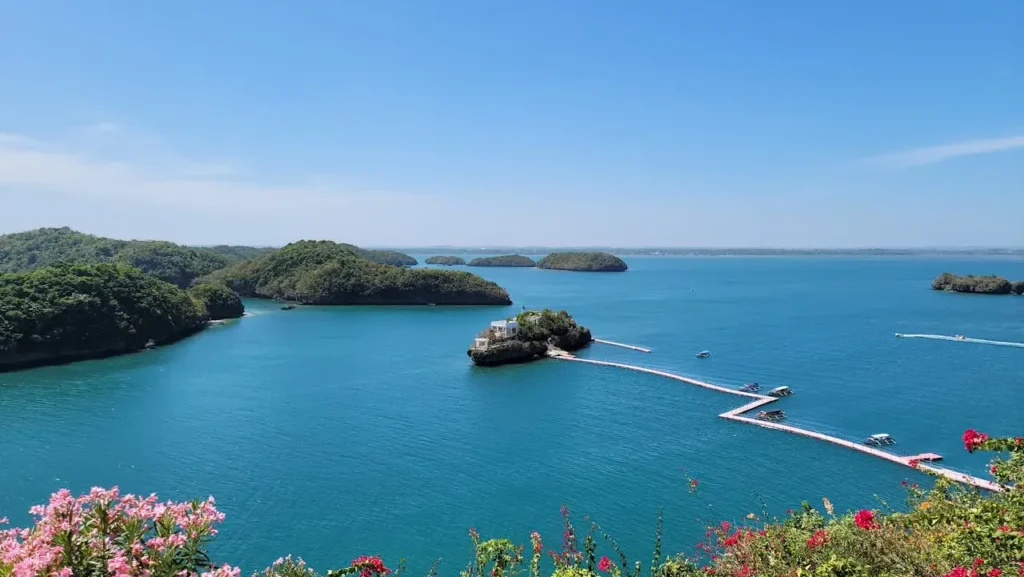
Guimaras Island
Just a 15-minute ferry ride from Iloilo City, Guimaras is famous for producing the sweetest mangoes in the world. But this island province offers much more than just fruit. With beautiful beaches, historic sites, and eco-tourism attractions, Guimaras makes an excellent day trip or overnight destination.
Must-Visit Spots in Guimaras:
Alubihod Beach: A white sand beach with clear waters, perfect for swimming and relaxation. The beach has a gentle slope, making it ideal for families.
Trappist Monastery: Run by Trappist monks, this peaceful monastery produces delicious products like mango jam, peanut butter, and cookies. Visitors can purchase these items and enjoy the serene atmosphere.
Guisi Lighthouse: Built in 1894, this historic lighthouse offers panoramic views of the sea. The ruins have a romantic, nostalgic charm, and the surrounding area features natural rock formations and a small beach.
Roca Encantada: A resort built on a cliff offering stunning sunset views and a unique swimming experience in natural rock pools.
Mango Plantations: Take a tour of the famous mango plantations and taste the sweetest mangoes you’ll ever have. The best season is March to May.
Sicogon Island
Once a premier beach destination in the 1970s, Sicogon Island is experiencing a revival as a luxury eco-tourism destination. The island features pristine white sand beaches, crystal-clear waters, and lush vegetation.
The island’s main beach stretches for kilometers, offering plenty of space for beach activities. The turquoise waters are perfect for swimming, snorkeling, and kayaking. Recent developments have brought improved accommodations while maintaining the island’s natural beauty.
Getting There: Take a boat from Estancia or Carles. The journey takes about 45 minutes to an hour.
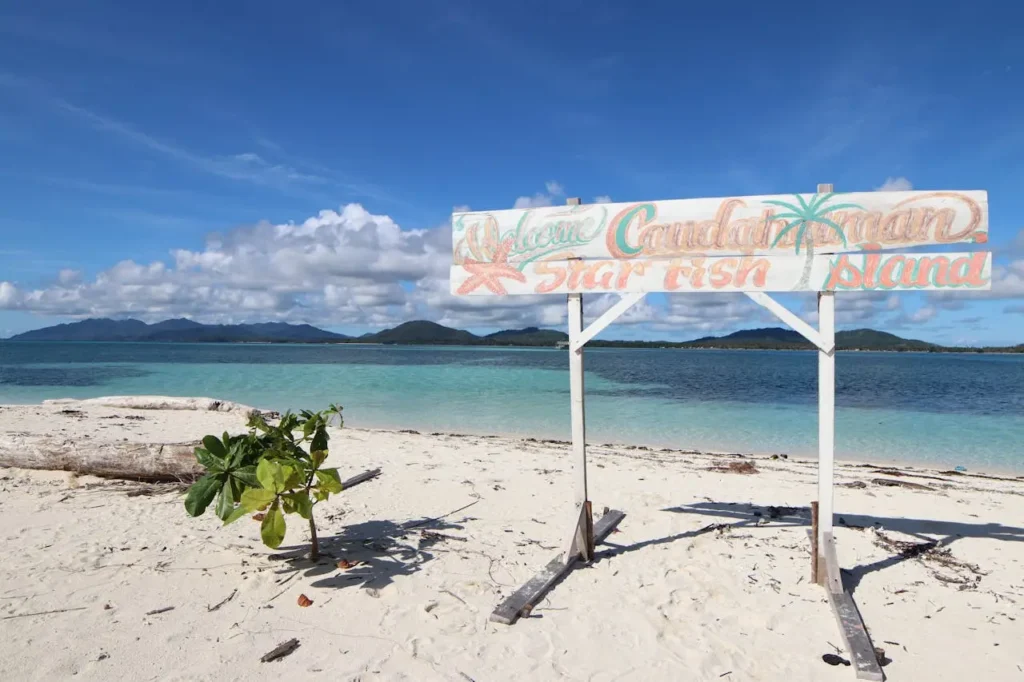
Concepcion Island
Part of the Concepcion municipality, this area includes several small islands perfect for island hopping. The beaches here are less crowded than other destinations, offering a more peaceful and authentic experience.
Pan de Azucar Island is a highlight, featuring a distinctive cone-shaped hill that gives the island its name (Sugar Loaf). Climb to the top for spectacular 360-degree views of the surrounding islands and ocean.
Natural Attractions and Adventure Spots

Garin Farm Pilgrimage Resort
This unique attraction combines spirituality, agriculture, and recreation. Located in San Joaquin, Garin Farm sits on a hillside offering panoramic views of the surrounding countryside and coastline.
The resort features a pilgrimage site with life-sized statues depicting the Stations of the Cross leading up to a hilltop chapel. The climb involves over 400 steps, but the views and spiritual experience are worth the effort. The farm also has a swimming pool, fishing area, organic farm, and restaurant serving fresh farm-to-table meals.
Highlights: The sunset views from the hilltop are spectacular. Visit during the dry season for the best experience.
Bucari Pine Trees
Experience a different side of tropical Philippines at the Bucari Pine Trees in Leon, Iloilo. This mountain area features pine trees and a cooler climate, creating an atmosphere reminiscent of Baguio or Tagaytay.
The area offers hiking trails, picnic spots, and stunning views of the surrounding mountains and valleys. It’s a perfect escape from the heat and humidity of the lowlands. The best time to visit is early morning when mist often shrouds the pine trees, creating a mystical atmosphere.
Tigum Aganan River
For a peaceful nature experience, visit the Tigum Aganan River in Pavia and Oton. This river system is being developed as an eco-tourism destination with bamboo rafting, kayaking, and river cruises available.
The river is lined with mangroves and local vegetation, providing habitat for various bird species. It’s an excellent spot for birdwatching and photography. Several riverside restaurants offer fresh seafood and local delicacies.
Read More About Tagaytay: Places to Visit in Tagaytay 2026: Top 10 Spots & Hidden Gems
Museums and Cultural Centers
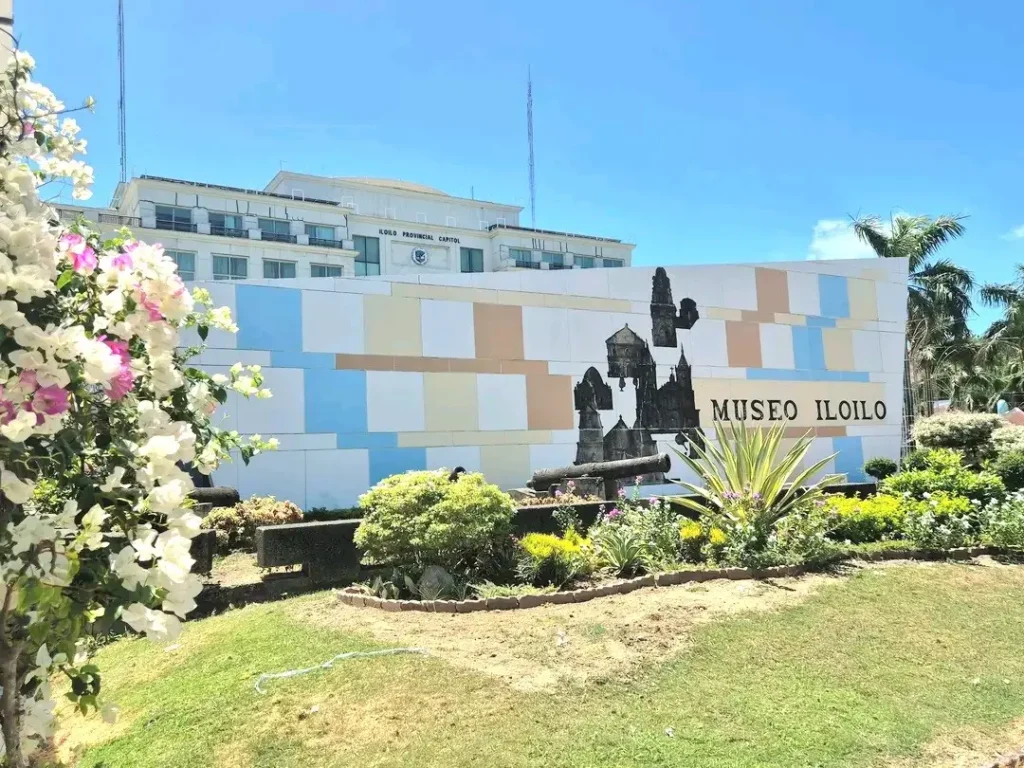
Museo Iloilo
Located in Iloilo City proper, Museo Iloilo is the premier museum in the province, showcasing the rich cultural heritage of Iloilo and Panay Island. The museum’s collection includes archaeological artifacts, ethnographic materials, and historical documents.
Notable exhibits include ancient burial jars, pre-colonial gold ornaments, Spanish colonial religious artifacts, and traditional textiles. The museum provides excellent context for understanding Iloilo’s history from pre-colonial times through the Spanish and American periods to the present day.
Admission: Minimal entrance fee. Open Tuesday to Sunday.
Iloilo Museum of Contemporary Art (ILOMOCA)
Housed in a restored heritage building on Calle Real, ILOMOCA is the first contemporary art museum outside Manila. The museum features rotating exhibitions of contemporary Philippine art, with a focus on Visayan artists.
The building itself is worth visiting for its beautiful architecture and thoughtful restoration. ILOMOCA also hosts workshops, film screenings, and cultural events, making it a vibrant hub for Iloilo’s creative community.
Food and Culinary Experiences
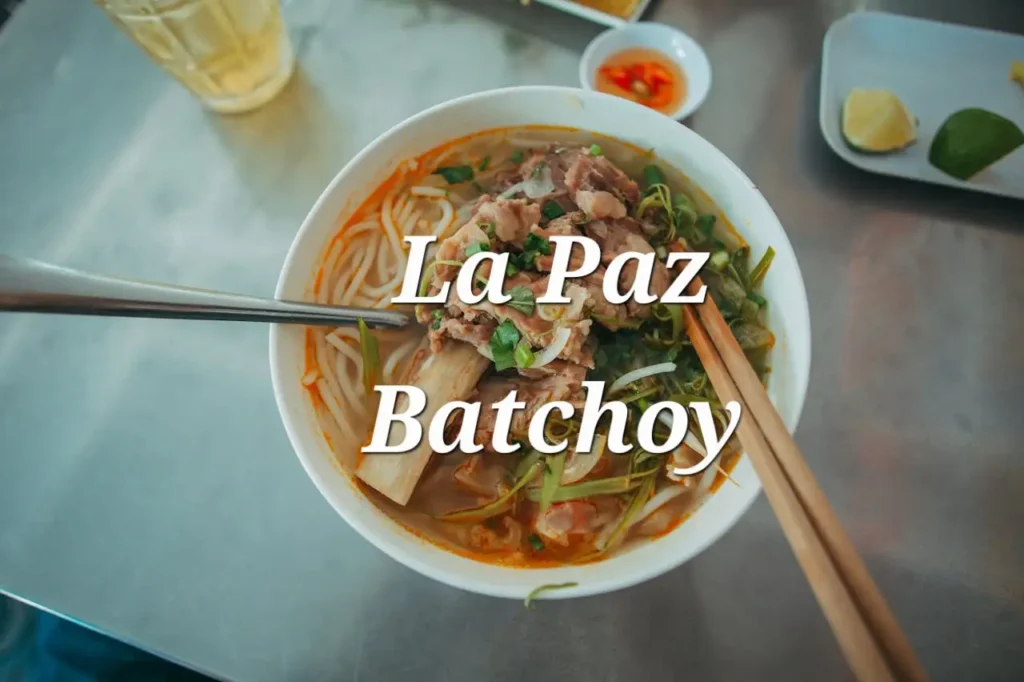
La Paz Batchoy
No visit to Iloilo is complete without trying the original La Paz Batchoy. This hearty noodle soup made with pork organs, crushed pork cracklings, chicken stock, beef loin, and round noodles is Iloilo’s most famous culinary contribution.
Visit the La Paz Market area where numerous batchoyan (batchoy restaurants) serve this iconic dish. Ted’s Oldtimer La Paz Batchoy and Netong’s are among the most popular. The authentic experience includes the bustling market atmosphere and watching the skilled cooks prepare each bowl.
Breakthrough Restaurant
Located along the coastal road in Villa Arevalo, Breakthrough Restaurant is famous for its fresh seafood, particularly grilled oysters and scallops. The restaurant’s name comes from its location at the “breakthrough” or opening in the seawall.
Dine on fresh seafood while enjoying views of the Iloilo Strait. The grilled scallops with cheese and garlic are a must-try. Prices are reasonable, and portions are generous.
Read More about Cebu City : The 15 Best Places to Visit in Cebu City: A Local’s Guide for 2026
Tatoy’s Manokan and Seafoods
For authentic Ilonggo grilled chicken (inasal), visit Tatoy’s in Villa Arevalo. This local institution has been serving delicious grilled chicken and seafood for decades. The chicken is marinated in a special blend of spices and grilled over charcoal, resulting in tender, flavorful meat.
Pair your chicken with garlic rice and their special dipping sauce for the complete experience. The restaurant also serves excellent grilled seafood and traditional Filipino dishes.
Festivals and Events
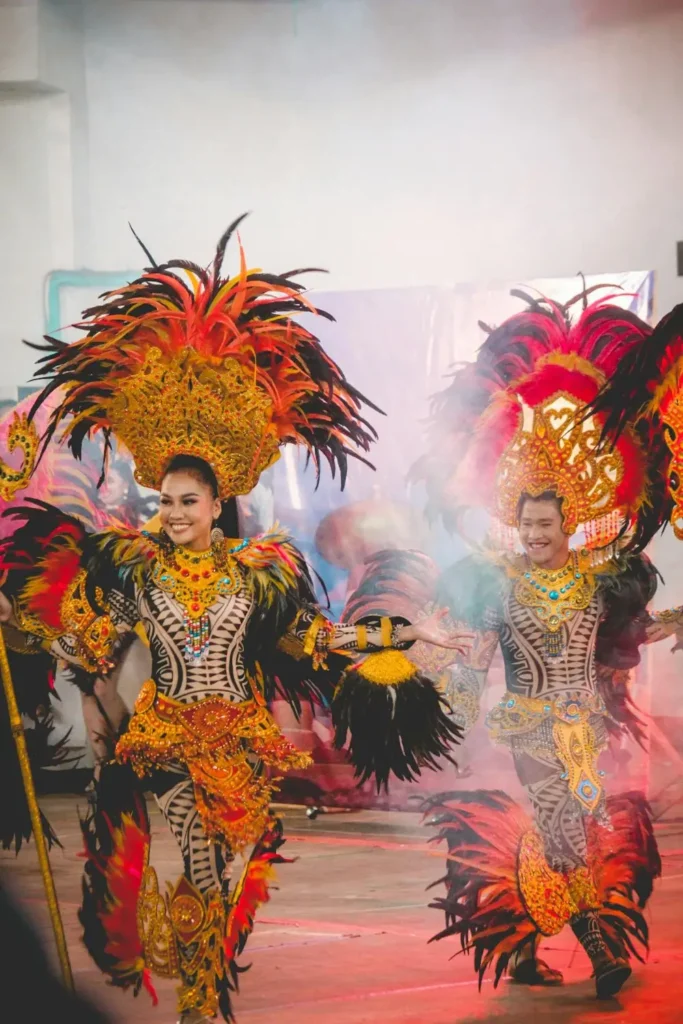
Dinagyang Festival
Held every fourth weekend of January, the Dinagyang Festival is Iloilo’s biggest and most colorful celebration. This festival honors the Santo Niño (Holy Child Jesus) and celebrates Iloilo’s rich cultural heritage.
The highlight is the Ati-Atihan competition, where different tribes perform choreographed dances in elaborate costumes with faces painted in black soot. The streets come alive with drumbeats, dancing, and vibrant energy. If you can time your visit to coincide with Dinagyang, you’ll witness one of the Philippines’ most spectacular festivals.
Paraw Regatta Festival
Held annually in February, the Paraw Regatta is a sailing competition featuring traditional paraw sailboats. These colorful double-outrigger sailboats race along the Iloilo Strait, creating a beautiful spectacle.
The festival celebrates Iloilo’s maritime heritage and includes beach parties, cultural shows, and various water sports activities. The sight of dozens of colorful paraws with their distinctive sails is unforgettable.
Practical Information for Visiting Iloilo
Getting to Iloilo
By Air: Iloilo International Airport in Cabatuan receives daily flights from Manila, Cebu, and other major Philippine cities. The airport is modern and well-equipped, located about 30 minutes from Iloilo City proper.
By Sea: Several ferry companies operate routes to Iloilo from Manila, Bacolod, and other Visayan ports. The journey from Manila takes about 18-24 hours.
Getting Around
Jeepneys: The most economical way to get around Iloilo City and nearby towns. Routes are clearly marked, and fares are very affordable.
Taxis and Ride-Sharing: Available in Iloilo City proper. Grab and other ride-sharing apps operate in the city.
Van Rentals: For visiting multiple destinations or traveling with a group, renting a van with a driver is convenient and cost-effective.
Tricycles: For short distances within neighborhoods and towns.
Best Time to Visit
The dry season from November to May is the best time to visit Iloilo, with March to May being the hottest months. December to February offers the most comfortable weather with lower humidity and cooler temperatures.
If you want to experience the Dinagyang Festival, plan your visit for late January. For mango season in Guimaras, visit between March and May.
Where to Stay
Iloilo City offers accommodations ranging from budget hostels to luxury hotels. Popular areas include:
Business District: Near SM City and Smallville, convenient for dining and entertainment.
Molo/Jaro: Good for heritage tourism, near historic churches.
Mandurriao: Near the airport, good for early flights.
For island destinations like Gigantes, basic beach accommodations and homestays are available. Book in advance during peak season.
Safety and Health
Iloilo is generally safe for travelers. The locals are friendly and helpful. Standard travel precautions apply:
- Keep valuables secure
- Use registered taxis or ride-sharing apps
- Stay hydrated in the tropical heat
- Use sunscreen and insect repellent
- Drink bottled water
- Bring basic medications
Conclusion: Experience the Heart of the Philippines
Iloilo offers a perfect blend of history, culture, natural beauty, and culinary delights. From the UNESCO World Heritage churches to the pristine beaches of Gigantes Islands, from the flavorful La Paz Batchoy to the vibrant Dinagyang Festival, this province captures the authentic Filipino experience.
Whether you’re exploring Spanish colonial architecture in the city, island hopping in crystal-clear waters, or savoring local delicacies, Iloilo welcomes you with warm hospitality and unforgettable experiences. The places to visit in Iloilo are diverse enough to satisfy any traveler’s interests, making it an ideal destination for your next Philippine adventure.
Plan your trip to Iloilo and discover why this province truly deserves its title as the “Heart of the Philippines.” The memories you create here will last a lifetime, and you’ll likely find yourself planning a return visit before you even leave.
Start planning your Iloilo adventure today and experience one of the Philippines’ most authentic and beautiful destinations!
Frequently Asked Questions about Places to Visit in Iloilo
The top places to visit in Iloilo include the breathtaking Islas de Gigantes, the historic Miagao Church (a UNESCO World Heritage site), Calle Real, Iloilo Esplanade, and GarinFarm.
The best time to visit Iloilo is during the dry season from January to May. If you want to experience the famous cultural grand festival, plan your trip for January to witness the Dinagyang Festival.
A 3 to 4-day itinerary is usually perfect to explore the main highlights of Iloilo City, visit historical heritage churches, and take a memorable day trip or overnight stay at Islas de Gigantes.
Iloilo is world-famous for its culinary heritage. Don’t leave without trying the authentic La Paz Batchoy, Pancit Molo, and fresh, affordable scallops and seafood from Carles.