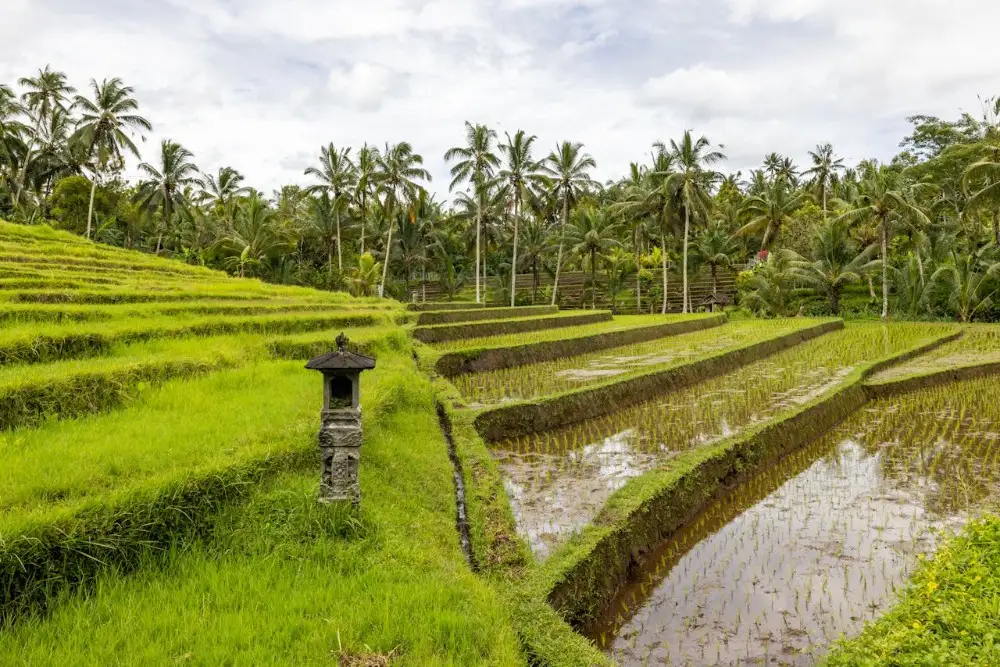
Nestled in the lush highlands of Bali, Ubud has transformed from a quiet artistic village into one of Indonesia’s most captivating destinations. If you’re planning a trip to this enchanting town, you’re in for an unforgettable experience filled with ancient temples, emerald rice terraces, vibrant markets, and spiritual awakening. This comprehensive guide will walk you through the best places to visit in Ubud, ensuring you don’t miss any of the magic this Balinese paradise has to offer.
Why Ubud Should Be on Your Bali Itinerary
Before we dive into the specific attractions, let’s talk about what makes Ubud so special. Unlike the beach-centric areas of Seminyak or Canggu, Ubud offers a completely different side of Bali. Here, you’ll find yourself surrounded by tropical rainforests, terraced rice paddies, and a community deeply rooted in traditional Balinese culture. It’s where artists, yogis, digital nomads, and travelers seeking authentic experiences converge.
The town sits about 600 meters above sea level, which means cooler temperatures and refreshing breezes—a welcome relief from Bali’s coastal humidity. Whether you’re interested in spiritual growth, adventure activities, cultural immersion, or simply relaxing in nature, Ubud has something extraordinary waiting for you.
Sacred Monkey Forest Sanctuary: Where Nature Meets Spirituality
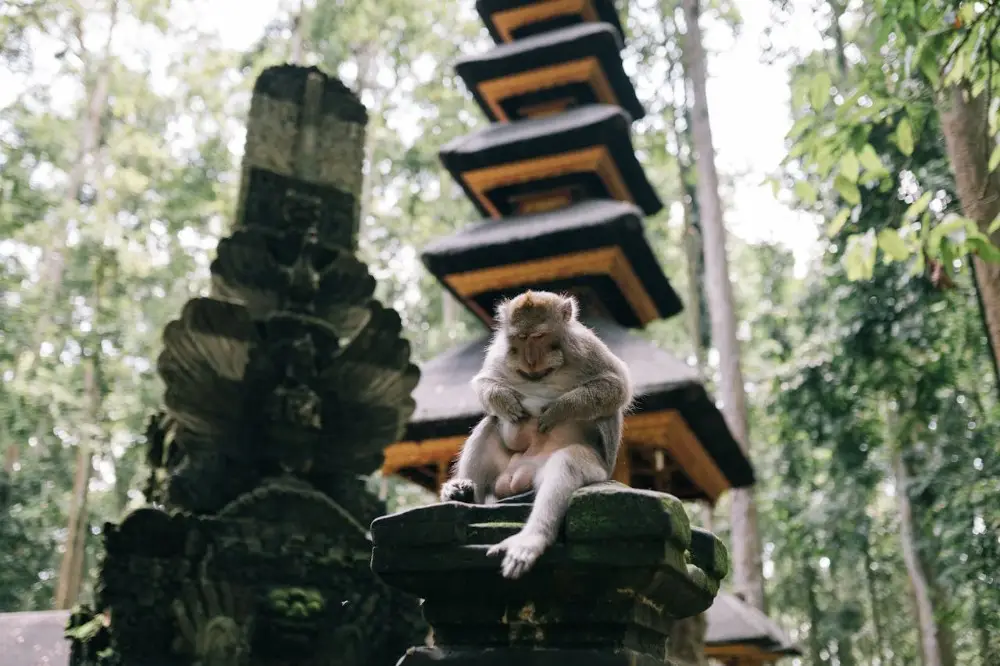
No visit to Ubud would be complete without exploring the Sacred Monkey Forest Sanctuary, officially known as Mandala Suci Wenara Wana. This isn’t just a tourist attraction—it’s a spiritual sanctuary that’s been protected by the local community for centuries.
Home to over 700 long-tailed Balinese macaques, the monkey forest spans approximately 12.5 hectares of lush jungle. As you wander through the shaded pathways, you’ll encounter three ancient Hindu temples dating back to the 14th century: Pura Dalem Agung Padangtegal, Pura Beji, and Pura Prajapati. The moss-covered stone carvings and mystical atmosphere create an otherworldly experience.
Practical Tips for Your Visit:
- Keep your belongings secure—the monkeys are clever and will snatch sunglasses, phones, and food
- Don’t wear dangling jewelry or carry plastic bags
- Avoid direct eye contact with the monkeys, as they may perceive it as a threat
- Visit early morning (around 8:30 AM) for fewer crowds and more active monkeys
- Respect the sacred temples and dress modestly
The forest isn’t just about the monkeys. Take time to appreciate the giant banyan trees, the intricate temple architecture, and the peaceful streams that flow through the sanctuary. It’s a perfect introduction to the spiritual energy that permeates Ubud.
Tegalalang Rice Terraces: Ubud’s Most Iconic Landscape
When people picture Bali, they often imagine the stunning emerald-green rice terraces cascading down hillsides. The Tegalalang Rice Terraces, located just 10 minutes north of central Ubud, are the most famous and photographed rice paddies in the region.
These terraces showcase the traditional Balinese cooperative irrigation system called “subak,” which has been recognized by UNESCO as a World Heritage Site. The subak system dates back to the 9th century and represents the philosophical concept of Tri Hita Karana, which brings together the realms of spirit, humans, and nature.
Walking through the terraces is an experience in itself. You can trek down into the paddies, cross bamboo bridges, and watch local farmers tending to their crops using methods passed down through generations. The best time to visit is early morning when the light is soft and golden, or late afternoon when the sun casts dramatic shadows across the landscape.
What to Know:
- There’s a small donation requested at the entrance (around 20,000-50,000 IDR)
- Wear comfortable walking shoes—the paths can be slippery
- Several cafes and restaurants offer stunning viewpoints where you can enjoy coffee while taking in the scenery
- The famous Bali swing experiences are located here if you’re feeling adventurous
- Sunrise visits offer the most magical light and fewer tourists
Ubud Royal Palace (Puri Saren Agung): A Glimpse into Balinese Royalty
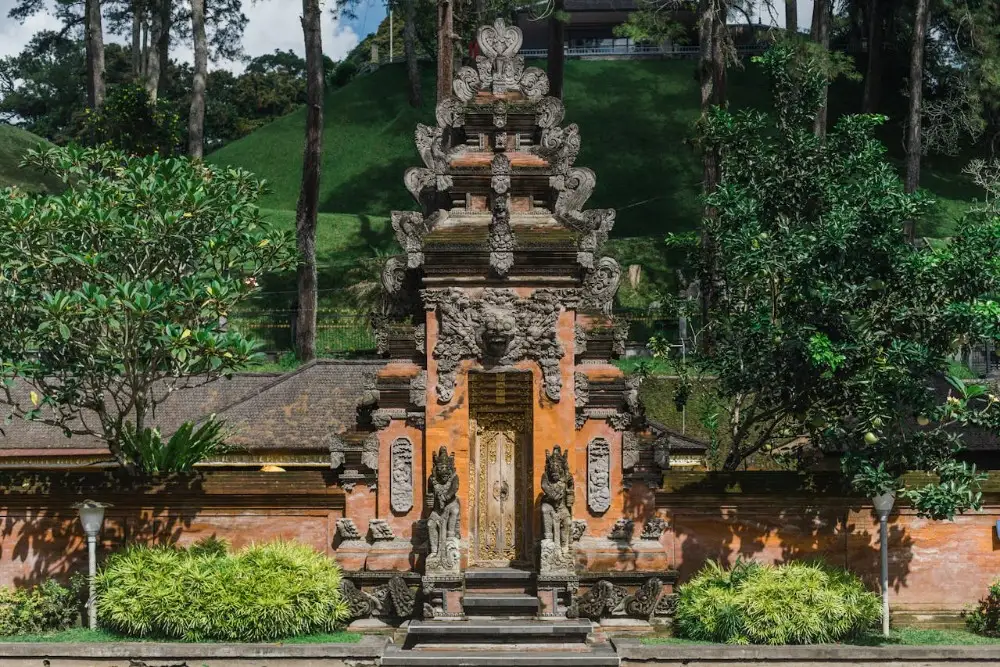
Located in the heart of Ubud, the Ubud Royal Palace serves as both a historical landmark and a living cultural center. Built in the 19th century, this palace remains the residence of Ubud’s royal family, though parts of it are open to the public.
The palace architecture is a masterpiece of traditional Balinese design, featuring intricately carved doors, ornate stone guardians, and beautifully maintained gardens. The craftsmanship on display here represents the pinnacle of Balinese artistic achievement.
What makes the palace truly special is that it comes alive at night with traditional Balinese dance performances. Several times a week, the courtyard transforms into an open-air theater where you can watch performances of the Legong dance, Barong dance, and other classical Balinese art forms. The combination of gamelan music, elaborate costumes, and skilled dancers creates an unforgettable cultural experience.
Visitor Information:
- Free to explore during the day
- Dance performances typically start at 7:30 PM
- Tickets for performances can be purchased at the palace or through your hotel
- The palace is located right next to Ubud Market, making it easy to combine both attractions
- Photography is allowed, but be respectful during ceremonies
Ubud Traditional Art Market: A Shopper’s Paradise
Right across from the Royal Palace, you’ll find Ubud Market (Pasar Seni Ubud), a bustling marketplace that’s been the commercial heart of the town for generations. This is where you’ll find authentic Balinese handicrafts, textiles, jewelry, and souvenirs.
The market operates on two levels. Early morning (around 5-7 AM), it functions as a local produce market where residents buy fresh fruits, vegetables, and flowers for daily offerings. By 9 AM, it transitions into a tourist market filled with sarongs, wooden carvings, woven bags, silver jewelry, paintings, and traditional Balinese clothing.
Shopping here is an art form. Bargaining is expected and part of the cultural experience. Start by offering about 50-60% of the asking price and negotiate from there. The vendors are friendly and skilled negotiators, so approach it with good humor and patience.
Shopping Tips:
- Bring cash—most vendors don’t accept cards
- Visit early to avoid crowds and heat
- Compare prices at different stalls before committing
- Look for unique, handmade items rather than mass-produced goods
- Ask about the origin and materials of items you’re interested in
Campuhan Ridge Walk: Ubud’s Most Scenic Trek
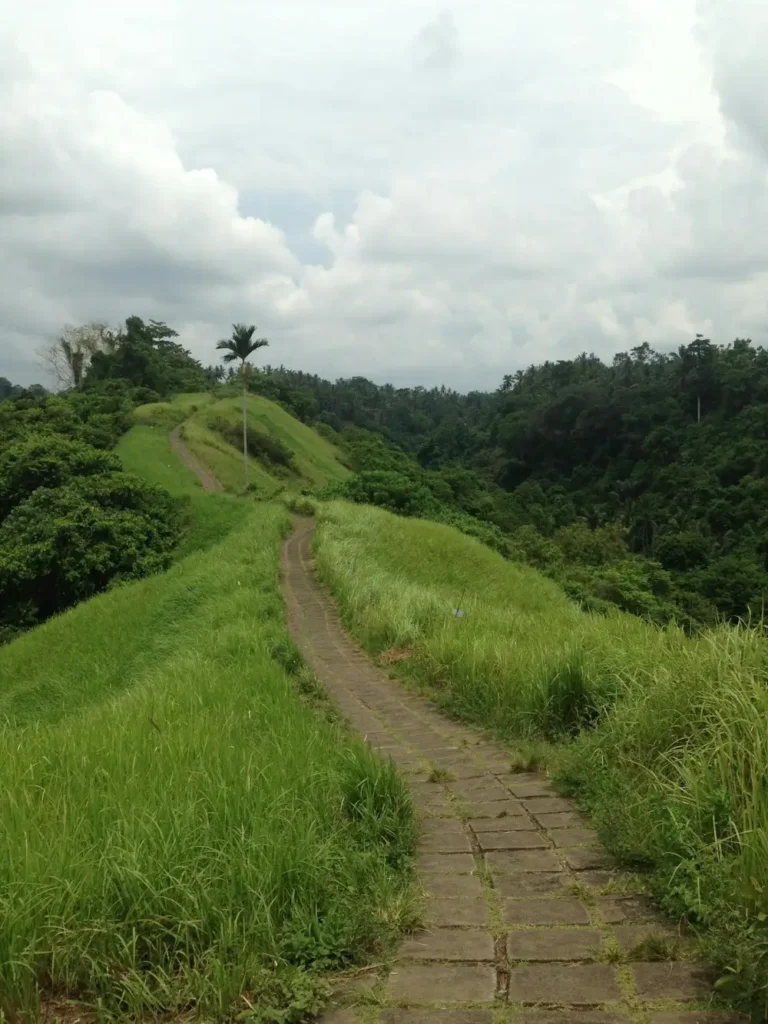
For those who love nature walks and stunning vistas, the Campuhan Ridge Walk is an absolute must. This easy 2-kilometer trail takes you along a narrow ridge between two rivers, offering panoramic views of lush valleys, coconut palms, and distant mountains.
The walk begins near the Ibah Hotel, just west of central Ubud. A concrete path leads you up to the ridge, where you’ll find yourself surrounded by tall grasses swaying in the breeze. The trail is well-maintained and suitable for all fitness levels, making it perfect for families and solo travelers alike.
What makes this walk special is the sense of escape it provides. Despite being so close to the town center, you’ll feel like you’ve entered a different world. The only sounds are birdsong, rustling leaves, and the occasional greeting from locals passing by.
Best Practices:
- Start early (6-7 AM) to avoid the midday heat
- Bring water and sun protection
- Wear comfortable walking shoes
- The walk takes about 1-2 hours round trip
- Extend your journey to Karsa Kafe at the end for a well-deserved breakfast with a view
Tirta Empul Temple: A Sacred Water Purification Experience
About 15 kilometers northeast of Ubud lies Tirta Empul, one of Bali’s most sacred water temples. Built in 962 AD around a natural spring, this temple is renowned for its holy water, which Balinese Hindus believe has purifying and healing properties.
The temple complex features a series of fountains and pools where locals and visitors can participate in a traditional purification ritual called “melukat.” Watching devotees pray and cleanse themselves in the sacred waters is a profound experience that offers insight into Balinese spiritual practices.
If you choose to participate in the purification ritual yourself, it’s important to do so respectfully. Wear a sarong and sash (available for rent at the entrance), follow the proper sequence of fountains, and observe how locals perform the ritual before joining in.
Important Details:
- Entrance fee: approximately 50,000 IDR
- Sarong rental available if you don’t have one
- Bring a change of clothes if you plan to participate in the purification
- Avoid the fountains reserved for the dead (usually the last few on the right)
- Visit during off-peak hours for a more intimate experience
- Combine with a visit to the nearby Gunung Kawi temple
Goa Gajah (Elephant Cave): Ancient Archaeological Wonder
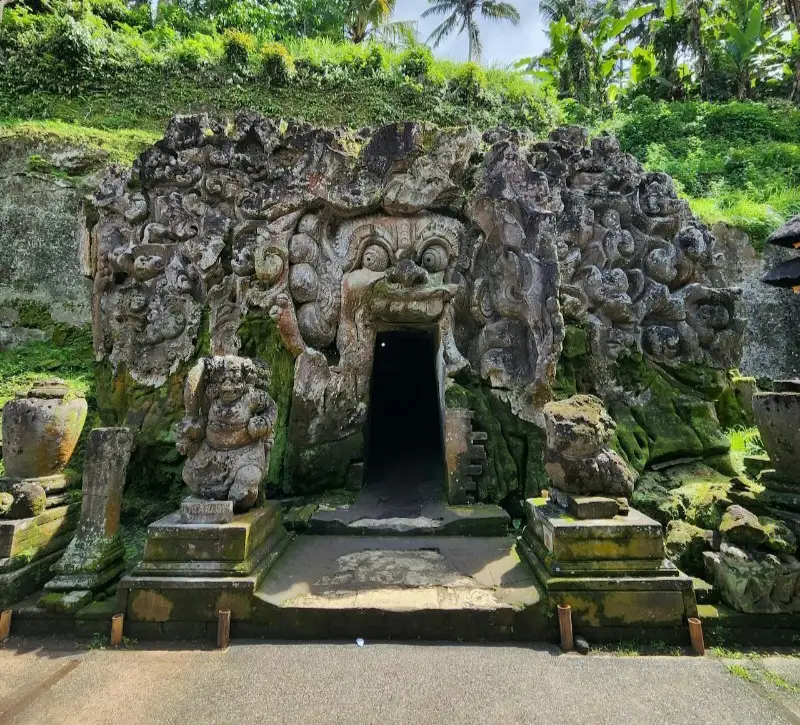
Goa Gajah, or Elephant Cave, is a fascinating archaeological site dating back to the 9th century. Despite its name, the cave has no connection to elephants—the name likely comes from the nearby Petanu River, which was once called Elephant River.
The entrance to the cave is carved into a rock face, featuring an elaborate facade of menacing creatures and demons designed to ward off evil spirits. Inside, you’ll find a T-shaped chamber with niches that once held statues for meditation. The cave served as a sanctuary for Hindu priests and Buddhist monks.
Beyond the cave, the complex includes ancient bathing pools, fountains with water spouting from the urns of six female figures, and a peaceful garden area. The site offers a glimpse into Bali’s pre-colonial past and the island’s long history of religious syncretism.
Visitor Tips:
- Entrance fee: around 50,000 IDR
- The cave interior is small and can feel claustrophobic
- Sarong required for entry
- Explore the surrounding gardens and pools—they’re just as interesting as the cave
- Combine with visits to nearby Yeh Pulu or Tirta Empul
Tegenungan Waterfall: A Refreshing Natural Escape
While Ubud is known for its rice terraces and temples, it also offers access to some beautiful waterfalls. Tegenungan Waterfall, located about 15 minutes south of central Ubud, is one of the most accessible and impressive.
Unlike many Balinese waterfalls that require long treks through the jungle, Tegenungan is relatively easy to reach. After descending a series of steps (be prepared for the climb back up!), you’ll arrive at a powerful cascade plunging into a large pool surrounded by lush greenery.
The waterfall is perfect for swimming and cooling off from the tropical heat. There are changing rooms and small warungs (local eateries) where you can grab refreshments. The surrounding area has been developed with viewing platforms and photo spots, making it popular with Instagram enthusiasts.
What to Expect:
- Entrance fee: approximately 20,000 IDR
- Bring swimwear if you want to swim
- The steps can be slippery—wear appropriate footwear
- Visit early morning or late afternoon to avoid crowds
- Lockers available for storing belongings while you swim
Ubud Art Galleries and Museums: A Cultural Journey
Ubud has been an artistic hub since the 1930s when European artists Walter Spies and Rudolf Bonnet settled here and influenced the local art scene. Today, the town is filled with galleries, museums, and artist studios showcasing both traditional and contemporary Balinese art.
Must-Visit Art Venues:
Neka Art Museum: This comprehensive museum houses an impressive collection of traditional and modern Balinese paintings, as well as works by foreign artists who were inspired by Bali. The museum is set in beautiful gardens and offers insight into the evolution of Balinese art.
ARMA (Agung Rai Museum of Art): Featuring both classical and contemporary works, ARMA also hosts cultural performances, painting classes, and has a beautiful restaurant overlooking rice fields.
Blanco Renaissance Museum: The former home of Filipino artist Antonio Blanco, this flamboyant museum showcases his theatrical paintings and offers a glimpse into the life of one of Ubud’s most colorful characters.
Threads of Life: A textile arts center dedicated to preserving Indonesia’s weaving traditions. Here you can see exquisite handwoven textiles and learn about the cultural significance of traditional fabrics.
Walking through Ubud’s main streets, you’ll encounter countless smaller galleries featuring everything from traditional Balinese paintings to modern abstract works, wood carvings, and sculptures.
Yoga and Wellness: Ubud’s Spiritual Side
Ubud has earned a reputation as one of the world’s premier wellness destinations. The town is dotted with yoga studios, meditation centers, healing sanctuaries, and wellness retreats that attract seekers from around the globe.
Top Wellness Experiences:
Yoga Barn: Perhaps Ubud’s most famous yoga studio, offering multiple classes daily in various styles, from Vinyasa to Yin yoga, plus workshops, sound healing, and ecstatic dance.
Radiantly Alive: A community-focused studio with a diverse schedule of yoga, meditation, and movement classes in a beautiful open-air space.
Traditional Balinese Healing: Seek out a traditional healer (balian) for a unique spiritual experience. These healers use a combination of massage, energy work, and spiritual guidance.
Spa Treatments: Ubud offers countless spas ranging from luxury resorts to affordable local spas. Try a traditional Balinese massage, flower bath, or body scrub using local ingredients.
The wellness culture in Ubud isn’t just about physical health—it’s about holistic well-being, connecting with nature, and finding inner peace. Many visitors come for a few days and end up staying weeks or months, drawn by the transformative energy of the place.
Ubud’s Culinary Scene: From Warungs to Fine Dining
The food scene in Ubud is as diverse as its visitors. You’ll find everything from authentic Indonesian cuisine to international restaurants, vegan cafes, and farm-to-table dining experiences.
Must-Try Dining Experiences:
Traditional Warungs: These local eateries serve authentic Indonesian food at incredibly affordable prices. Try nasi campur (mixed rice with various sides), mie goreng (fried noodles), or sate (grilled skewers).
Locavore: Ubud’s most acclaimed fine dining restaurant, focusing on Indonesian ingredients prepared with modern techniques. Reservations essential.
Alchemy: A popular raw vegan cafe with an extensive salad bar, smoothies, and healthy treats.
Bridges Bali: Elegant dining overlooking the Campuhan River, offering a fusion of Indonesian and international cuisine.
Warung Biah Biah: A local favorite for authentic Balinese food, including the famous babi guling (roast suckling pig).
Don’t miss trying traditional Balinese dishes like lawar (mixed vegetables with coconut and spices), bebek betutu (slow-cooked duck), and the various sambal (chili pastes) that accompany most meals.
Day Trips from Ubud: Exploring the Surrounding Area
Ubud’s central location makes it an excellent base for exploring other parts of Bali. Here are some worthwhile day trips:
Mount Batur Sunrise Trek: Wake up at 2 AM for a pre-dawn hike up this active volcano. Watch the sunrise from the summit while enjoying breakfast cooked in volcanic steam.
Kintamani Highlands: Visit the volcanic region with stunning views of Mount Batur and Lake Batur, along with traditional villages and coffee plantations.
Sidemen Valley: A less-touristy area with beautiful rice terraces, traditional weaving villages, and views of Mount Agung.
Jatiluwih Rice Terraces: UNESCO-listed terraces that are even more expansive than Tegalalang, offering a more authentic and less crowded experience.
Sekumpul Waterfall: Considered Bali’s most beautiful waterfall, though it requires a challenging trek to reach.
Practical Information for Visiting Ubud
Getting There:
Ubud is about 1.5 hours from Ngurah Rai International Airport. You can arrange a private driver, take a taxi, or book a shuttle service. Many hotels offer airport pickup.
Getting Around:
- Rent a scooter (if you’re comfortable with Bali’s traffic)
- Hire a private driver for day trips
- Use ride-hailing apps like Gojek or Grab
- Walk around central Ubud—many attractions are within walking distance
Best Time to Visit:
The dry season (April to October) offers the best weather, though Ubud is pleasant year-round. The wet season (November to March) brings afternoon rains but also lush, green landscapes and fewer tourists.
Where to Stay:
Ubud offers accommodation for every budget, from backpacker hostels to luxury resorts. Consider staying slightly outside the center for a more peaceful experience while still being close to attractions.
Money Matters:
- ATMs are readily available in central Ubud
- Many places accept cards, but cash is preferred at markets and small warungs
- Always carry small bills for entrance fees and donations
Cultural Etiquette:
- Dress modestly when visiting temples (sarong and sash required)
- Remove shoes before entering temples and homes
- Use your right hand when giving or receiving items
- Be respectful during religious ceremonies
- Ask permission before photographing people
Making the Most of Your Ubud Experience
Ubud is a place that rewards slow travel. While you could rush through the main attractions in a day or two, you’d miss the essence of what makes this place special. The magic of Ubud reveals itself in quiet moments—watching the sunrise over rice terraces, chatting with local artisans, practicing yoga as tropical rain falls on the roof, or simply sitting in a cafe watching daily life unfold.
Give yourself at least 3-5 days to truly experience Ubud. Take time to wander down small lanes, discover hidden temples, attend a traditional ceremony if you’re lucky enough to witness one, and let yourself be swept up in the creative and spiritual energy that flows through this remarkable town.
Whether you’re seeking adventure, cultural immersion, spiritual growth, or simply a beautiful place to relax and recharge, the places to visit in Ubud offer something truly special. This isn’t just another tourist destination—it’s a place that has the power to transform, inspire, and leave you with memories that last a lifetime.
Final Thoughts
The places to visit in Ubud represent the very best of what Bali has to offer. From ancient temples and sacred forests to artistic treasures and natural wonders, every corner of this enchanting town tells a story. The combination of stunning landscapes, rich cultural heritage, warm hospitality, and spiritual depth creates an atmosphere unlike anywhere else in the world.
As you plan your Ubud adventure, remember that the best experiences often come from being open to spontaneity. Yes, visit the famous attractions, but also leave room for unexpected discoveries—a hidden waterfall, a local ceremony, a conversation with a Balinese artist, or a quiet moment of reflection in a temple garden.
Ubud isn’t just a destination; it’s an experience that touches the soul. Whether this is your first visit or your tenth return, the magic of Ubud continues to unfold, revealing new layers of beauty, wisdom, and wonder with each encounter.
Safe travels, and may your journey through Ubud be filled with joy, discovery, and transformation.
Frequently Asked Questions About Ubud
What are the top places to visit in Ubud?
The top attractions in Ubud include the Sacred Monkey Forest Sanctuary, Tegalalang Rice Terrace, Ubud Royal Palace, Saraswati Temple, and the scenic Campuhan Ridge Walk.
How many days are enough to explore places to visit in Ubud?
A 3 to 4-day itinerary is generally enough to comfortably explore the major places to visit in Ubud, enjoy the local cafes, and experience Balinese culture without rushing.
Are the tourist spots in Ubud family-friendly?
Yes, many spots in Ubud are highly family-friendly. The Monkey Forest, local waterfalls (like Tegenungan), and vibrant art markets offer fun, educational, and engaging experiences for both children and adults.
What is the best time to visit Ubud?
The best time to visit Ubud is during Bali’s dry season, which runs from April to September. The weather is sunny with lower humidity, making it ideal for outdoor activities, temple visits, and exploring the rice terraces.