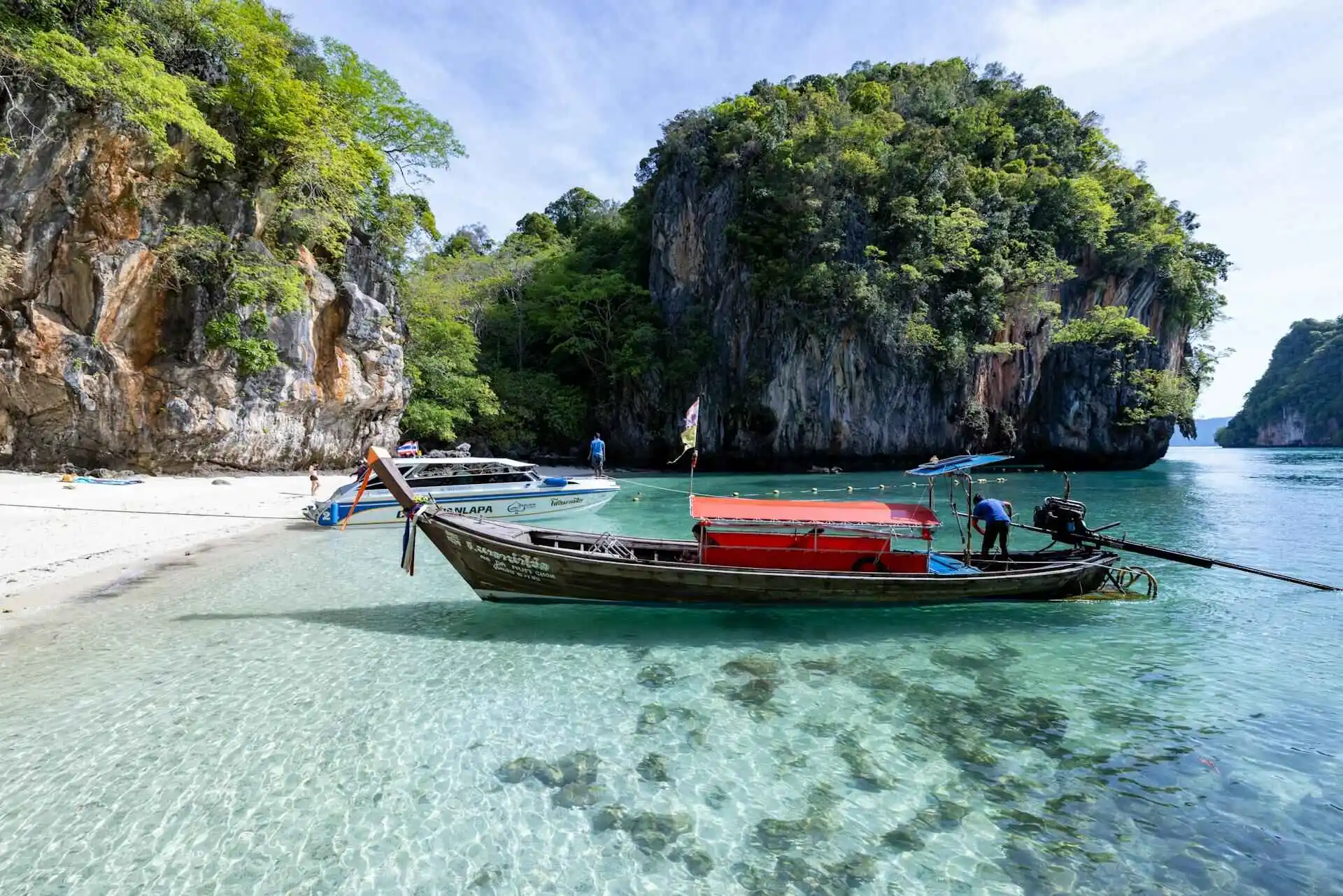
If you are planning a trip to the ‘Land of Smiles’ and wondering exactly when to pack your bags, here is the short answer: The best time to visit Thailand is between November and early April. During these months, the country experiences its cool and dry season, offering comfortable temperatures ranging from 29°C to 34°C (84°F to 93°F), brilliant blue skies, and calm seas.
However, Thailand is a vast country with complex microclimates. The “perfect” time to go heavily depends on your specific itinerary—whether you dream of island-hopping in the Andaman Sea, exploring the ancient temples of Chiang Mai, or snagging off-season luxury hotel deals.
To help you craft the perfect itinerary, we have put together the most comprehensive, month-by-month breakdown of Thailand’s weather, regional differences, and vibrant festivals.
Decoding Thailand’s Climate: A Tale of Three Seasons
Unlike destinations with four distinct seasons, Thailand’s tropical climate revolves around three main weather patterns. Understanding these is your first step to a flawless vacation.
1. The Cool and Dry Season (November to February)
This is undeniably the peak tourist season. The monsoon rains have officially retreated, leaving behind lush green landscapes and pleasantly cool breezes.
- What to expect: Minimal rainfall, lower humidity, and daytime temperatures hovering around a comfortable 30°C. Northern regions like Chiang Mai can actually get quite chilly at night, dropping to 13°C (55°F).
- Vibe: Bustling, energetic, and crowded. This is the prime time for beach holidays and jungle trekking.
2. The Hot Season (March to May)
As the dry season transitions, the heat gets cranked up. By April, temperatures regularly soar past 35°C (95°F), accompanied by skyrocketing humidity levels.
- What to expect: Intense sunshine and sweltering afternoons. In the northern provinces, agricultural burning can cause hazy skies and poor air quality.
- Vibe: A slower pace as locals and tourists alike seek refuge in air-conditioned malls or the refreshing ocean. It’s the perfect time to be mostly underwater or sipping coconuts by a pool.
3. The Wet (Monsoon) Season (June to October)
The southwest monsoon arrives, bringing heavy, dramatic downpours. However, it rarely rains all day. You can typically expect intense afternoon thunderstorms followed by clearing skies.
- What to expect: High humidity, spectacular lightning shows, and occasional flooding in lower-lying areas. The landscapes become incredibly vibrant and verdant.
- Vibe: Quiet and laid-back. For budget travelers and crowd-averse explorers, this is the golden window for incredible discounts on flights and five-star resorts.
Regional Weather Patterns: It Matters Where You Go
Thailand’s elongated geography means the weather on the west coast can be entirely different from the east coast on the exact same day. Here is a regional breakdown:
Bangkok and Central Thailand
Bangkok is hot year-round. There is no getting around the concrete heat, but the most comfortable months are November to January. September and October are typically the wettest months, often bringing localized street flooding to the capital.
Northern Thailand (Chiang Mai, Chiang Rai, Pai)
The mountainous north has the most distinct temperature shifts. November to February is absolutely magical, offering cool mornings perfect for hiking and exploring temples. However, you should generally avoid March and April due to the “burning season,” when farmers clear land, resulting in heavy smog that obscures mountain views.
The Andaman Coast (West Coast: Phuket, Krabi, Koh Phi Phi, Khao Lak)
If iconic limestone karsts and turquoise waters are calling your name, aim for December to March. During this window, the Andaman Sea is glass-flat, making it world-class for scuba diving and snorkeling. From May to October, the southwest monsoon makes the waters rough, and many boat services to smaller islands are suspended.
The Gulf of Thailand (East Coast: Koh Samui, Koh Phangan, Koh Tao)
The Gulf coast operates on its own unique weather schedule, making it the perfect summer escape. While the rest of Thailand gets soaked in July and August, islands like Koh Samui enjoy plenty of sunshine. Their monsoon season arrives much later, hitting its peak in October and November.
| Month | Avg. Temp (°C/°F) | Season & Weather | Rainfall | Best Region to Visit |
|---|---|---|---|---|
| January | 27°C / 81°F | ☀️ Cool & Dry | Very Low | All of Thailand (Peak Season) |
| February | 28°C / 82°F | ☀️ Cool & Dry | Low | Andaman Coast, Chiang Mai |
| March | 30°C / 86°F | 🔥 Hot Season | Low | Southern Islands (Beach escapes) |
| April | 35°C / 95°F | 🔥 Hot Season | Moderate | Nationwide (For Songkran Festival) |
| May | 34°C / 93°F | 🌧️ Shoulder/Wet | High | Gulf Coast (Koh Samui, Koh Tao) |
| June | 33°C / 91°F | 🌧️ Wet Season | High | Hua Hin, Gulf of Thailand |
| July | 33°C / 91°F | 🌧️ Wet Season | High | Gulf Coast (Summer family holidays) |
| August | 32°C / 90°F | 🌧️ Peak Monsoon | Very High | Koh Samui (Escaping the worst rain) |
| September | 32°C / 90°F | 🌧️ Peak Monsoon | Highest | Bangkok (Indoor activities, Spas) |
| October | 31°C / 88°F | 🌧️ Wet / Transition | High | Northern Thailand (Rain tapering off) |
| November | 30°C / 86°F | ☀️ Cool & Dry | Low | Chiang Mai (Loi Krathong), Phuket |
| December | 28°C / 82°F | ☀️ Cool & Dry | Very Low | Andaman Coast (Perfect beach weather) |
The Ultimate Month-by-Month Thailand Travel Guide
To ensure you don’t miss out on any hidden gems or find yourself trapped in a torrential downpour, here is a granular look at what each month has to offer.
January: The Crowd Pleaser
January is the crown jewel of Thai weather. The skies are a brilliant azure across the entire country, and the Andaman Sea is a pristine playground for divers.
- Where to go: Everywhere! From the bustling night markets of Bangkok to the shores of Krabi.
- Festivals: Chinese New Year often falls in late January (or February), turning Bangkok’s Yaowarat (Chinatown) into a spectacular display of dragon dances and red lanterns.
February: Chasing the Last of the Cool Breezes
Temperatures begin a subtle upward creep, but the humidity remains manageable. It is an excellent time for families and couples to enjoy the beaches before the intense heat sets in.
- Where to go: Chiang Mai. The cooler weather still lingers in the mountains.
- Festivals: The Chiang Mai Flower Festival takes place on the first weekend of February, featuring vibrant parades of chrysanthemums and the rare Damask Rose.
March: The Heat is On
March marks the official beginning of the hot season. The crowds begin to thin out slightly, making it easier to secure prime spots on the beach.
- Where to go: Southern islands. Stick to the coastlines where the ocean breeze cuts through the heat.
- Warning: The smog in Northern Thailand usually begins to thicken. It is best to avoid Chiang Mai and Chiang Rai during this month.
April: The Month of Water and Fire
April is historically the hottest month of the year in Thailand. Walking around cities during the midday sun feels like stepping into an oven. However, it also hosts the country’s most famous celebration.
- Festivals: Songkran (April 13-15). The Thai New Year is celebrated with the world’s largest water fight. Entire cities shut down as locals and tourists arm themselves with water guns and buckets. It is a joyous, chaotic, and incredibly refreshing cultural experience.
May: The Transition
May is a ‘shoulder season’ month. The monsoon is teasing its arrival, meaning you will likely experience a mix of scorching sun and sudden, brief thunderstorms.
- Perks: Hotel rates drop significantly. You can score luxury villas for a fraction of their peak-season price. The Gulf Coast (Koh Samui) generally remains drier than the Andaman Coast.
June: Lush Landscapes Emerge
The rain becomes more consistent, usually arriving in the form of predictable late-afternoon showers. The countryside begins to transform into a brilliant, lush green.
- Where to go: Hua Hin or the Gulf Islands.
- Activities: It is a fantastic time for browsing indoor markets, visiting temples, or enjoying traditional Thai spa days when the rain falls.
July: The Summer Holiday Sweet Spot
While it is technically the wet season, the Gulf of Thailand (Koh Samui, Koh Tao, Koh Phangan) remains shielded from the worst of the monsoon.
- Vibe: Because of European and North American school holidays, the eastern islands see a surge in family travelers. Book your accommodation well in advance if you are heading to the Gulf.
August: Monsoon Peak
August is wet. Very wet. Especially in the north and along the Andaman coast. Trekking in the jungle becomes muddy and difficult, and boat rides can be incredibly choppy.
- Silver Lining: If you don’t mind the rain, you will have popular tourist sites almost entirely to yourself. Photographers will love the dramatic, brooding skies and the intensely vibrant greenery of the national parks.
September: The Rainiest Month
Statistically, September sees the highest rainfall across most of the country. Rivers swell, and waterfalls like Erawan in Kanchanaburi are at their most powerful and magnificent.
- Where to go: Stick to major cities with good infrastructure and indoor attractions, like Bangkok or indoor cooking classes in Chiang Mai.
October: The Tides Turn
October is a month of change. The rains begin to taper off in the north, leaving the air washed clean and crisp. However, the monsoon is just getting started on the Gulf Coast (Koh Samui), so avoid the eastern islands.
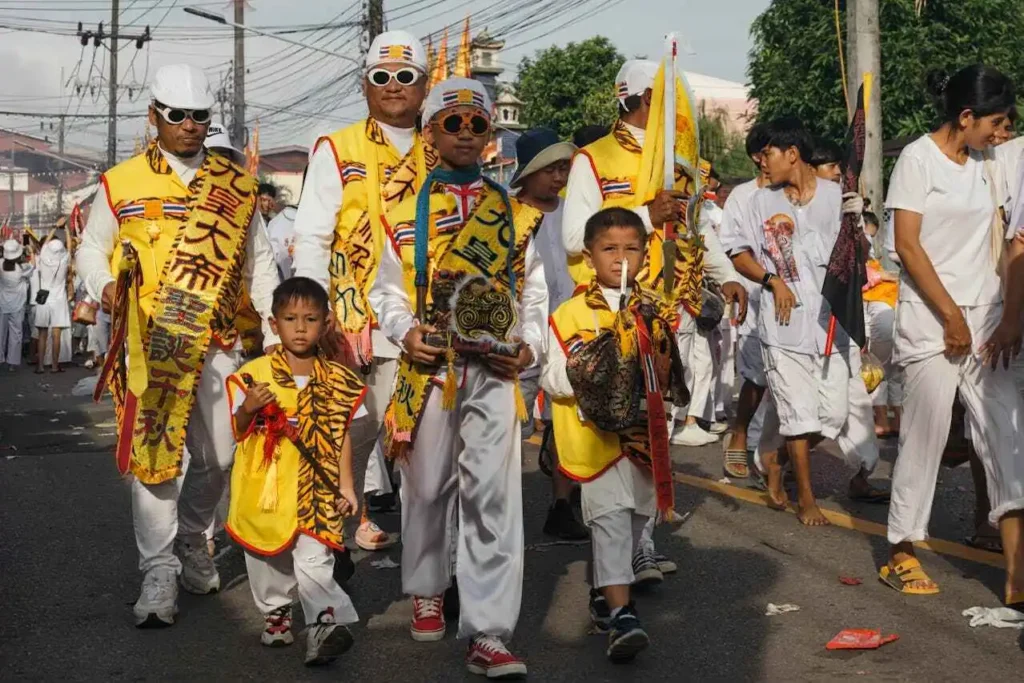
- Festivals: The Phuket Vegetarian Festival is held in October. It is a visually intense, nine-day event involving elaborate street processions and extreme acts of ritualized body piercing by devotees in a trance-like state.
November: Welcome to the Golden Season
The monsoon has officially passed for most of the country (excluding the Gulf coast). The weather is spectacular, the landscapes are freshly watered and blooming, and the energy is electric.
- Festivals: Loi Krathong (The Festival of Light). Usually falling in November, this is arguably Thailand’s most beautiful festival. Thousands of candlelit banana-leaf floats (krathongs) are released onto rivers and lakes to thank the water goddess and wash away the previous year’s misfortunes. In Chiang Mai, this coincides with Yi Peng, where thousands of glowing paper lanterns are released into the night sky.
December: Festive Perfection
December offers flawless weather. Expect endless sunshine, calm seas, and cool evenings. Unsurprisingly, it is also the most expensive and crowded time to visit.
- Where to go: The Andaman Coast is absolutely perfect. Phuket, Krabi, and Koh Lanta boast idyllic conditions for island-hopping and beach lounging.
- Tip: If you plan to spend Christmas or New Year’s Eve in Thailand, you must book your flights and hotels months in advance.
Best Time to Visit Thailand for Specific Travel Styles
Still on the fence? Let’s narrow it down based on what kind of traveler you are:
- For Scuba Divers: Head to the Andaman Coast (Similan Islands, Richelieu Rock) between November and April. For diving in the Gulf of Thailand (Koh Tao), the water is clearest between July and September.
- For Honeymooners: December to February provides the picture-perfect weather you want for romantic beach dinners and sunset cruises without the interruption of rain.
- For Budget Travelers & Backpackers: Target the shoulder seasons (May, June, September, and October). You will enjoy massive discounts on hostels, fewer crowds at major attractions, and cheaper domestic flights.
- For Nature & Wildlife Enthusiasts: Visit Khao Yai National Park or Khao Sok National Park just after the rainy season in November or December. The waterfalls are full, the foliage is dense, and wildlife is highly active.
Best times to visit Thailand for festivals & events
Chiang Mai Flower Festival (first weekend of February)
Each year on the first weekend of February, Chiang Mai becomes a riot of colour with flower beds in full bloom, flower vendors setting up shop across the town, and – on the Saturday – the Flower Festival Parade. There are decorated floats, hill tribes in a rainbow of costumes and traditional dancing and music.
Thai New Year (13-15 April)
The traditional Thai New Year – Songkran – is celebrated countrywide, with the biggest festivities in Chiang Mai. Appropriately for the hottest time of year, water throwing – often ice-cold – is popular, and you may get smeared with colourful talc as a blessing. Elders are honoured, and there are music and dance performances.
Ngan Bun Bang Fai (May)
The Fire Rocket Festival is a Buddhist event celebrated by the ethnic Lao people of north-east Thailand at the beginning of the rainy season in May. Elaborately decorated rockets are paraded on oxcarts and floats, leading up to the competition on Sunday, where rockets compete on height, distance and beauty of vapour trails.
Phuket Vegetarian Festival (September or October)
Anyone thinking a festival celebrating vegetarian cuisine and the health benefit it brings would be a peaceful, bloodless affair, think again. As part of efforts to purify the body and soul, many worshippers put themselves through some gruesome body mortification rituals. Ironically, though, the worst injuries are usually caused by errant firecrackers.
Festival of Light (November)
Not all of Thailand’s festivals are wildly hedonistic. The Festival of Light – Loi Krathong – is held to give thanks to the Goddess of Water each November. Lotus-shaped crafts draped with flowers and candles float down the rivers in Sukothai and Chiang Mai in this beautiful, spiritual celebration.
Final Thoughts: When Should You Book Your Ticket?
There is no truly “bad” time to visit Thailand. The wet season offers tranquility and lush beauty, the hot season brings unparalleled cultural festivals like Songkran, and the cool season provides postcard-perfect beach days.
If you want the absolute highest chance of pristine weather and don’t mind sharing the view with others, book your trip between November and February. If you want a balance of good weather, manageable crowds, and decent prices, the shoulder months of late-February to March are your sweet spot.
Pack a light, breathable wardrobe, bring a spirit of adventure, and get ready to experience the unmatched hospitality and beauty of Thailand!