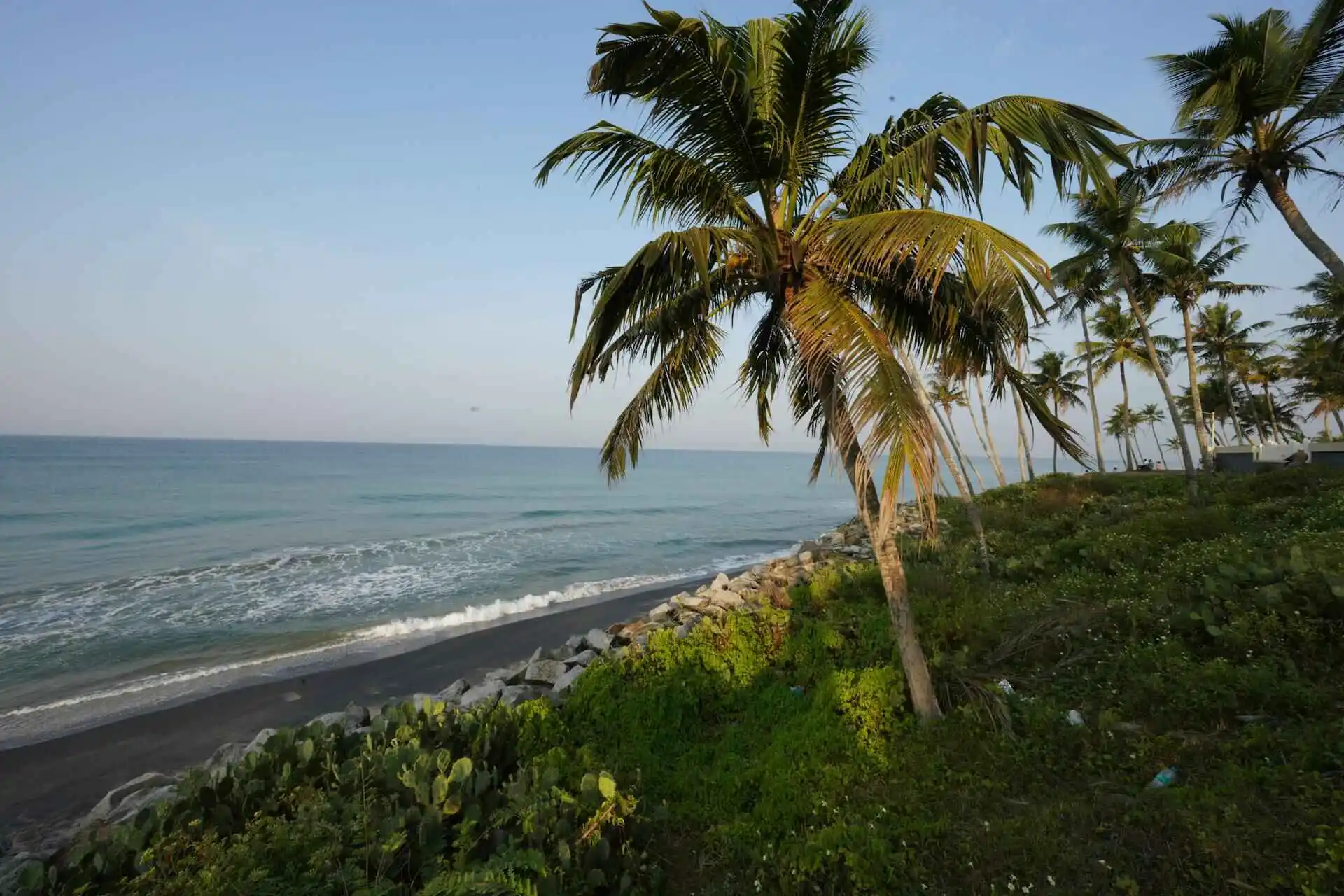
Welcome to a city where time seems to slow down, and the chaotic rush of modern metropolitan life surrenders to the gentle rustling of palm fronds and the rhythmic crashing of the Arabian Sea. If you are searching for the most breathtaking places to visit in Trivandrum, you are about to embark on an unforgettable journey. Thiruvananthapuram, affectionately known by its colonial moniker Trivandrum, is not just a destination; it is an emotion. As the capital city of Kerala—India’s fabled “God’s Own Country”—it serves as a stunning tapestry woven with threads of royal heritage, profound spirituality, untamed nature, and modern vibrancy.
Unlike other bustling Indian capitals, Trivandrum maintains an elegant, easygoing charm. Here, grand Dravidian temples cast long shadows over colonial-era museums, and mist-draped hill stations sit just a short drive away from sun-kissed, crescent-shaped beaches. Whether you are a solo backpacker searching for enlightenment, a couple seeking a romantic coastal getaway, or a family eager to explore history and wildlife, this city promises an unforgettable journey. If you are curating a bucket list, knowing the absolute best places to visit in Trivandrum is your first step toward an extraordinary adventure.
This comprehensive guide will take you on a deep dive into the heart of the city, exploring its hidden gems, iconic landmarks, culinary delights, and the vibrant culture that makes it so unique. Fasten your seatbelts, bring your wanderlust, and let us embark on this ultimate Kerala expedition.
Chapter 1: The Soul of the City (Heritage & Architecture)
To truly understand Trivandrum, you must first step back in time. The city was the historic capital of the Kingdom of Travancore, and the maharajas of this affluent dynasty were immense patrons of art, architecture, and religion. Walking through the city’s heritage zones feels like wandering through a living, breathing museum.
1. Sree Padmanabhaswamy Temple
The Golden Abode of the Divine
Let us begin with the crown jewel. Dedicated to Lord Vishnu, who is depicted reclining on the cosmic serpent Anantha, the Sree Padmanabhaswamy Temple is an architectural masterpiece of stone and bronze. A breathtaking amalgamation of indigenous Kerala style and Dravidian architecture, this temple features a soaring 16th-century Gopuram (gateway tower) that dominates the city’s skyline.
Recently, the temple gained global fame when its secret subterranean vaults were opened, revealing treasures worth billions of dollars—solid gold idols, ancient coins, and precious jewels gifted by kings over centuries. Among all the historical places to visit in Trivandrum, this temple stands as the undisputed crown jewel.
Visitor Tip: The temple maintains a strict dress code. Men must wear a mundu (traditional white dhoti) bare-chested, while women must wear sarees or long skirts. Electronics and cameras are strictly prohibited inside, allowing you to immerse yourself entirely in the spiritual aura, illuminated only by thousands of flickering brass oil lamps.
2. Kuthira Malika (Mansion of Horses)
A Symphony in Wood
Just a stone’s throw from the great temple lies Kuthira Malika, officially known as the Puthen Malika Palace. Built by Maharaja Swathi Thirunal Balarama Varma—a legendary king, poet, and musician—the palace derives its name from the 122 exquisitely carved wooden horses that line the exterior roof brackets.
Wandering through its quiet, polished corridors, you will encounter Belgian mirrors, Bohemian crystal chandeliers, traditional Kathakali mannequins, and the musical instruments of the king himself. The palace is a masterclass in traditional Kerala carpentry, designed with sloping roofs and inner courtyards that keep the interiors remarkably cool even during the scorching tropical summers. If you visit in January, the courtyard comes alive with the prestigious Swathi Sangeethotsavam, a week-long Indian classical music festival.
3. Napier Museum & Sree Chitra Art Gallery
Colonial Grandeur and Artistic Brilliance
Set amidst the sprawling, meticulously manicured grounds of the public gardens, the Napier Museum is a visual delight. Designed by the English architect Robert Chisholm in 1880, the building is a stunning example of Indo-Saracenic architecture—a flamboyant mix of Indian, Islamic, and Gothic revival styles. Its unique natural air-conditioning system, utilizing double walls and roof vents, is an engineering marvel. Inside, history buffs will be captivated by the rare collection of ancient bronze idols, ivory carvings, temple chariots, and historical numismatics.
Adjacent to the museum is the Sree Chitra Art Gallery. For art enthusiasts, this is a pilgrimage site. The gallery houses the original masterpieces of Raja Ravi Varma, the legendary Indian painter who revolutionized art by fusing European academic techniques with Indian iconography. You will also find exquisite works from the Rajput, Mughal, and Tanjore schools of art, alongside paintings by Nicholas Roerich.
4. Kanakakkunnu Palace
The Cultural Heartbeat
Perched on a small hillock, this vibrant red-bricked palace was once the royal banquet hall where the kings of Travancore hosted their colonial British guests. Today, it serves as the cultural nucleus of the city. The expansive, lush green meadows surrounding the palace are perfect for a relaxed evening stroll. Throughout the year, the grounds host various cultural summits, handloom exhibitions, and food festivals. The All India Dance Festival (Nishagandhi Festival) held here in an open-air auditorium is a mesmerizing spectacle of India’s classical dance forms.
Chapter 2: The Call of the Ocean (Beaches & Coastal Wonders)
Close your eyes and imagine the scent of salt in the air, the feeling of warm golden sand beneath your feet, and the sight of endless blue horizons. The coastline of this district is dramatic, diverse, and universally captivating.
5. Kovalam Beach
The Crescent Beauty
When discussing coastal places to visit in Trivandrum, Kovalam is the name that echoes globally. Discovered by European hippies in the 1930s, Kovalam evolved from a sleepy fishing village into a world-renowned beach destination. It is uniquely characterized by its three adjacent crescent-shaped beaches:
- Lighthouse Beach: The southernmost and most popular strip. The striking red-and-white striped Vizhinjam Lighthouse sits on a rocky promontory here. Climbing its 142 spiral steps rewards you with a staggering panoramic view of the Arabian Sea and the lush palm canopies stretching inland.
- Hawah Beach (Eve’s Beach): A hive of activity where local fishermen launch their traditional wooden boats into the surf at dawn. It is a fantastic place to witness the authentic coastal life of Kerala.
- Samudra Beach: The northernmost and quietest of the three, separated by a massive rocky headland. This is where you go when you want to escape the crowds, read a book, and watch the waves crash against the boulders.
6. Varkala Beach (Papanasam Beach)
Where Cliffs Meet the Sea
Located about 40 kilometers north of the city center, Varkala offers a landscape found nowhere else in southern Kerala. Here, magnificent red laterite cliffs rise majestically from the golden sands, standing tall against the crashing sea. The paved cliff-top pathway is lined with bohemian cafes, Tibetan silver shops, and yoga shalas, offering a distinctly laid-back, backpacker vibe.
The beach itself is known as Papanasam (meaning ‘destroyer of sins’). A dip in the natural spring waters here is believed to wash away one’s past transgressions. Sunset at Varkala, watching the fiery orb dip below the horizon from a cliffside cafe with a cup of South Indian filter coffee, is a transcendent experience.
7. Poovar Island
The Golden Estuary
Imagine a serene landscape where a tranquil river, emerald backwaters, a freshwater lake, and the turbulent sea all converge. That is Poovar Island. This unspoiled paradise is best explored via a slow, meandering boat cruise through dense, labyrinthine mangrove forests. As your boat glides through the silent waters, you will spot exotic kingfishers, brahminy kites, and perhaps a water monitor lizard sunning itself on a root. The golden sand beach here is practically untouched, making it one of the most romantic and secluded spots in the district.
8. Shankumugham Beach
The Sunset Boulevard
Located very close to the Trivandrum International Airport, Shankumugham is the favorite evening hangout spot for the city’s locals. The beach is famous for the colossal Matsyakanyaka (Mermaid) sculpture—a 35-meter-long concrete masterpiece crafted by the renowned artist Kanayi Kunhiraman. The beach is wide, the sands are white, and the sunsets are spectacular. Grab a spicy roasted corn on the cob from a local vendor and watch the sky explode in shades of pink, orange, and purple.
9. Veli Tourist Village
Where the Lake Greets the Sea
Situated where the Veli Lake meets the Arabian Sea, this beautifully landscaped picnic spot is perfect for a relaxed afternoon. A narrow sandbar separates the calm lagoon from the rough sea. Visitors can rent pedal boats or speedboats to navigate the lake, walk across the floating bridge, and admire the massive, abstract concrete sculptures scattered across the lawns.
Chapter 3: Embracing the Wild (Hills, Dams & Sanctuaries)
Trading the salty sea breeze for the cool, crisp air of the Western Ghats is easier than you think. Trivandrum’s topography is incredibly diverse, offering thick tropical forests and mist-covered peaks just a short drive inland.
10. Ponmudi Hill Station
The Golden Peak
A scenic 60-kilometer drive from the city, featuring exactly 22 thrilling hairpin bends, takes you to Ponmudi. At an altitude of 1,100 meters, the temperature drops significantly, and the landscape transforms into rolling green hills covered in tea estates and thick mist. It is a haven for nature lovers and trekkers. The Kallar River flows parallel to the road, offering several spots to stop and dip your feet in ice-cold, crystal-clear mountain water. The sprawling tea gardens and the sheer tranquility make Ponmudi a photographer’s absolute dream.
11. Neyyar Dam & Wildlife Sanctuary
Into the Jungle
Nestled in the foothills of the Western Ghats, the Neyyar Dam is a picturesque gravity dam featuring a calm, blue reservoir. The surrounding wildlife sanctuary is a biodiversity hotspot. You can take a guided boat safari on the reservoir to spot wildlife coming to the water’s edge to drink. The sanctuary is home to Asian elephants, tigers, leopards, sambar deer, and the endangered Nilgiri tahr. A major highlight here is the Lion Safari Park and the specialized crocodile rehabilitation and research center.
12. Peppara Wildlife Sanctuary
The Untamed Wilderness
For those seeking offbeat places to visit in Trivandrum, the lush forests of Peppara offer absolute solitude. Encompassing the catchment area of the Peppara Dam on the Karamana River, this sanctuary features rugged terrain, sparkling streams, and dense eucalyptus forests. Trekking trails here (which require prior permission from the forest department) are challenging but highly rewarding. Birdwatchers will be in paradise, as the sanctuary is home to over 200 species of avian life, including the Malabar grey hornbill and the white-bellied treepie.
13. Agasthyakoodam
The Trekker’s Holy Grail
Standing at 1,868 meters, Agasthyakoodam is the second-highest peak in Kerala. Named after the Hindu sage Agastya, the mountain is steeped in mythology and is renowned globally for its extraordinarily rare medicinal herbs and orchids. The trek to the peak is legendary—a gruelling two-day journey through dense, leopard-inhabited forests. Access is highly restricted; the forest department issues only a limited number of trekking passes each year during a specific window (usually January to March) to preserve the delicate ecological balance.
14. Meenmutty and Mankayam Waterfalls
Nature’s Refreshing Showers
Hidden deep within the jungles near Ponmudi, Meenmutty is a spectacular waterfall accessible only by a 2-kilometer trek through thick vegetation. The trail itself is an adventure, filled with the sounds of crickets and exotic birds. The sight of the water cascading down rocky tiers into a pristine pool is breathtaking. Similarly, the Mankayam eco-tourism zone offers stunning, lesser-known cascades like Kalakkayam and Kurissadi, perfect for those wanting to bathe in natural mountain springs away from the crowds.
Chapter 4: Spiritual Sanctuaries (Churches, Mosques, & More Temples)
Trivandrum is a brilliant example of India’s religious harmony. Here, majestic temples, historic churches, and grand mosques stand in close proximity, each contributing to the city’s peaceful cultural fabric.
15. Attukal Bhagavathy Temple
The Sabarimala of Women
This temple holds a Guinness World Record for hosting the largest annual gathering of women for a religious activity. During the Attukal Pongala festival, millions of women gather in the streets of Trivandrum to cook a sweet offering (Pongala) made of rice, jaggery, and coconut in earthen pots over open fires, dedicating it to the Goddess Bhagavathy. Even outside festival times, the temple’s intricate architecture and powerful spiritual ambiance draw visitors daily.
16. Pazhavangadi Maha Ganapathy Temple
The Elephant God’s Abode
Situated in the heart of the city, this temple dedicated to Lord Ganesha is famous for its unique ritual: devotees break thousands of coconuts daily on a designated stone platform to remove obstacles from their lives. The jet-black idol of Ganesha is striking, and the atmosphere, heavy with the scent of camphor and incense, is profoundly moving.
17. Madre de Deus Church (Vettucaud Church)
A Beacon of Faith
Located near the coastline, this ancient church is believed to have been visited by the famous missionary St. Francis Xavier in the 16th century. The ‘Feast of Christ the King’ celebrated here attracts devotees from all faiths across the state. The architecture is a beautiful blend of colonial and local styles, offering a peaceful retreat for prayer and reflection.
18. Beemapally Dargah Shareef
A Symbol of Harmony
This grand mosque houses the tomb of Syedunnisa Beema Beevi, a Muslim woman believed to possess divine healing powers, and her son. The annual Urroos festival held here is a vibrant celebration of faith, drawing pilgrims of all religions. The stunning pink-and-white facade of the mosque and its towering minarets make it an architectural landmark in the city.
Chapter 5: Experiencing the Local Culture and Edutainment
Traveling is not just about seeing things; it is about experiencing them. Trivandrum offers numerous ways to actively engage with Kerala’s rich heritage and modern innovations.
19. Magic Planet
The World’s First Magic Theme Park
Traveling with family requires prioritizing safe and engaging places to visit in Trivandrum where children can learn and play. Magic Planet, an initiative by renowned illusionist Gopinath Muthukad, is an entirely unique concept. It is not about rollercoasters; it is an edutainment center completely dedicated to the art of magic, illusion, and street performances. It offers interactive exhibits, spectacular live magic shows, and a fascinating journey into the history of Indian street magic, preserving dying art forms like the ‘Indian Mango Trick’.
20. Chalai Market
A Sensory Explosion
To experience the true, unfiltered pulse of the city, take a walk through the 2-kilometer stretch of Chalai Market. Operating since the times of the Travancore kings, this bustling bazaar sells absolutely everything. The narrow lanes are an assault on the senses—in the best way possible. Breathe in the pungent aroma of fresh spices, cardamom, and black pepper. Haggle for intricately woven coir products, shining brass lamps (Nilavilakku), fresh jasmine flowers, and vibrant silk sarees. It is a street photographer’s ultimate playground.
21. Kerala Kathakali Centre / Margi
The Dance of the Gods
You cannot leave Kerala without witnessing Kathakali, the classical dance-drama renowned for its elaborate costumes, vibrant makeup, and highly expressive facial gestures. Institutes like ‘Margi’ in Trivandrum are dedicated to preserving this ancient art. Attending an evening performance—and arriving early to watch the artists painstakingly apply their natural makeup—is a mesmerizing cultural immersion.
22. Ayurvedic Wellness
Healing the Mind and Body
Kerala is the global capital of Ayurveda, the ancient Indian system of medicine. Trivandrum is dotted with authentic Ayurvedic resorts and clinics. Do not miss the opportunity to indulge in an Abhyanga (full-body oil massage) or a Shirodhara (where warm medicated oil is rhythmically poured over the forehead). It is the ultimate way to detoxify and rejuvenate after days of intense sightseeing.
Chapter 6: The Culinary Canvas (What and Where to Eat)
Let us talk about food. The culinary landscape of Trivandrum is a spectacular fusion of rich spices, fresh coconut, and the daily catch from the Arabian Sea. The food here is a journey in itself.
The Majestic Kerala Sadya
Your trip is incomplete without experiencing a traditional Sadya. Served on a fresh, gigantic green banana leaf, this is a vegetarian feast fit for a king. It consists of over 20 to 26 different items, including rice, parippu (dal), sambar, avial (mixed vegetables in coconut paste), thoran, pachadi, crispy banana chips, and sweet payasam for dessert. You must eat this with your hands; it makes the food taste infinitely better. Head to ‘Mothers Veg Plaza’ near Bakery Junction for the most authentic Sadya experience in the city.
Seafood Extravaganza
Given its extensive coastline, the seafood here is incredibly fresh and furiously flavorful. You must try the Karimeen Pollichathu (Pearl Spot fish marinated in fiery spices, wrapped in a banana leaf, and pan-roasted) and the Kerala-style Prawn Roast. The beachside shacks at Kovalam and Varkala serve excellent grills, but for authentic local flavor, visit ‘Villa Maya’—a beautifully restored 18th-century Dutch manor that offers fine dining in an unforgettable royal ambiance.
Street Food & Cafe Culture
For a quick snack, look for street vendors selling Pazham Pori (sweet, ripe banana fritters deep-fried in a golden batter) paired with a steaming glass of strong, frothy South Indian filter coffee or Sulaimani (spiced black tea). If you prefer modern aesthetics, the Napier Museum area has seen a boom in chic, artsy cafes serving excellent espresso, continental breakfasts, and free Wi-Fi.
Chapter 7: Curating Your Perfect Itinerary
It is easy to get overwhelmed by the sheer number of places to visit in Trivandrum, so organizing your trip by zones is a smart strategy. Here is how you can structure your journey based on your available time:
The 3-Day Express (The Highlights)
- Day 1 (Heritage & City Vibe): Start early at the Sree Padmanabhaswamy Temple. Walk over to Kuthira Malika. Enjoy a traditional Sadya for lunch. Spend the afternoon exploring the Napier Museum and Art Gallery. Evening shopping at Chalai Market.
- Day 2 (Coastal Bliss): Head to Kovalam Beach. Climb the lighthouse in the morning. Have seafood for lunch by the beach. In the late afternoon, drive down to Poovar Island for a magical sunset backwater cruise.
- Day 3 (The Northern Cliff): Take a day trip to Varkala. Explore the Janardhanaswamy Temple, walk along the magnificent red cliffs, relax at the cafes, and enjoy the sunset over the Arabian Sea before heading back.
The 5-Day Explorer (Adding Nature and Culture)
- Follow Day 1 to Day 3 as above.
- Day 4 (The Hill Station Retreat): Rent a car and drive up the winding roads to Ponmudi Hill Station. Enjoy a picnic lunch amidst the tea estates and mist. On the way back, stop at the Meenmutty waterfalls for a quick, refreshing trek.
- Day 5 (Wildlife & Wellness): Visit the Neyyar Dam and Wildlife Sanctuary in the morning for a boat safari. Spend your final afternoon indulging in a deep, relaxing Ayurvedic massage at a reputed local spa. End the day watching a traditional Kathakali performance.
And The 7-Day Deep Dive (The Ultimate Kerala Experience)
- Follow the 5-Day itinerary.
- Day 6 (Offbeat Adventure): Get permission to trek in the Peppara Wildlife Sanctuary. Connect with nature on a profound level away from all tourist crowds. Alternatively, visit the Magic Planet for a day of lighthearted fun.
- Day 7 (Spiritual Trail & Sunset Views): Visit the Attukal Bhagavathy Temple and the Pazhavangadi Ganapathy Temple. In the evening, head to Shankumugham Beach, take photos with the Matsyakanyaka sculpture, eat street food, and bid a breathtaking farewell to the city as the sun sets over the ocean.
Chapter 8: Essential Travel Logistics & Practical Tips
To ensure your trip is seamless, here are the practical details you need to know before you land.
How to Reach:
- By Air: The Trivandrum International Airport (TRV) is exceptionally well-connected to major Indian cities (Delhi, Mumbai, Bangalore) and major Middle Eastern hubs (Dubai, Doha, Muscat). Interestingly, the airport is located right in the city, making your hotel transfer incredibly fast.
- By Train: The Thiruvananthapuram Central Railway Station is a major hub connecting Kerala to the rest of India via extensive rail networks.
- By Road: Smooth, well-maintained highways connect the city to Kochi, Chennai, and Bangalore. Luxury sleeper buses run overnight on these routes.
The Best Time to Visit:
Planning the perfect time to explore the amazing places to visit in Trivandrum depends largely on the local climate. Below is a comprehensive seasonal breakdown to help you pack right and make the most of your trip:
| Season & Months | Avg. Temperature | Weather Conditions | Ideal for Visiting? |
|---|---|---|---|
| Winter (October to February) |
22°C to 30°C | Pleasantly cool, dry, and less humid. Perfect for sightseeing, beach hopping, and city tours. | Highly Recommended |
| Summer (March to May) |
32°C to 38°C | Hot and intensely humid. Outdoor activities can be exhausting during the day. Good for evening beach walks. | Less Ideal |
| Monsoon (June to September) |
24°C to 30°C | Heavy rainfall and lush greenery. Excellent time for Ayurvedic treatments and visiting waterfalls. | Good for Nature & Ayurveda |
The ideal window is the winter season, from October to March. The temperature hovers between 22°C and 30°C, and the humidity is bearable, making outdoor exploration comfortable.
The monsoon season (June to August) transforms the city into a vibrant, washing-machine green paradise. While heavy downpours might disrupt beach plans and trekking, it is considered the absolute best time for Ayurvedic treatments, as the cool, dust-free pores of your skin absorb the medicated oils better. Summer (April and May) should generally be avoided as it gets extremely hot and intensely humid.
Getting Around the City:
- Auto-Rickshaws (Tuk-Tuks): They are ubiquitous, mostly run on meters, and are the best way to navigate short distances.
- Buses: The KSRTC (Kerala State Road Transport Corporation) buses are cheap, frequent, and connect every corner of the city and beyond.
- Rentals: Renting a scooter or a motorcycle (like a Royal Enfield) is a fantastic way to explore the coastal roads at your own pace.
Language and People:
The native language is Malayalam. However, Kerala boasts India’s highest literacy rate, so English is widely understood and spoken fluently by auto drivers, shopkeepers, and hotel staff. A few Malayalam words (like Namaskaram for Hello, and Nanni for Thank You) will always win you wide smiles from the exceptionally warm and welcoming locals.
Frequently Asked Questions
Is Trivandrum safe for solo female travelers?
When is the best time to visit Trivandrum?
Are there family-friendly spots in the city?
Pack your bags, prepare your palate for an explosion of flavors, and get ready to create memories that will last a lifetime in the radiant capital of God’s Own Country. Safe travels!