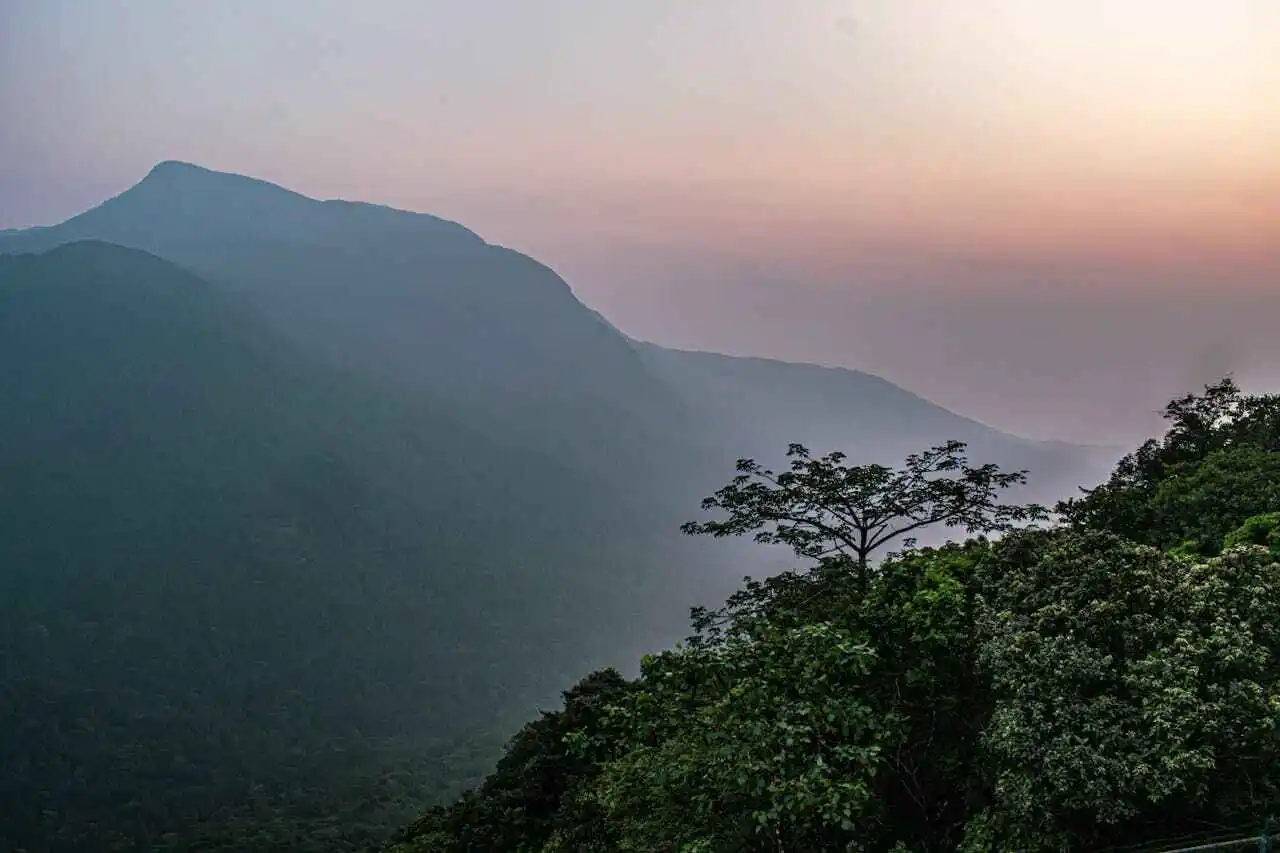
Imagine a place where the clouds descend to kiss the mountain peaks, where the air is thick with the aroma of freshly roasted coffee and wild spices, and where every winding road reveals a landscape more breathtaking than the last. Welcome to Wayanad, the pristine, untouched jewel of northern Kerala. Nestled amidst the majestic Western Ghats, this high-altitude district is not just a destination; it is an emotion, a canvas painted with the most vibrant shades of green.
Whether you are a lone wanderer chasing the thrills of treacherous mountain treks, a couple seeking a romantic hideaway in a treehouse, or a family looking to bond over wildlife safaris and boating trips, Wayanad holds a secret for everyone. However, planning a trip to a place with such diverse topography can be overwhelming. Where do you start? Which waterfalls are cascading at their best? Which caves hold the secrets of Neolithic man?
In this exhaustively researched and meticulously curated guide, we will walk you through the very best places to visit in Wayanad. We will not only list the attractions but also provide you with the geographical context, historical significance, insider tips, and logistical details you need to make your journey absolutely flawless. Grab a cup of coffee, sit back, and let’s embark on a virtual tour of Kerala’s emerald paradise.
1. The Majestic Waterfalls of Wayanad: Nature’s Roaring Symphony
Waterfalls in Wayanad are not merely water bodies; they are torrential forces of nature that carve their way through ancient rocks and dense forests. The sheer power and beauty of these falls make them top priority for any traveler.
A. Meenmutty Waterfalls
Tucked away deep within the lush green forests, Meenmutty is a spectacular three-tiered waterfall that drops from a staggering height of 300 meters. The name “Meenmutty” literally translates to “where fishes are blocked” in the local Malayalam language.
- The Experience: Reaching the falls requires a rigorous 2-kilometer trek through the jungle. The hike is physically demanding but incredibly rewarding. As you navigate the slippery rocks and dense undergrowth, the roaring sound of the water grows louder, building anticipation.
- Best Time to Visit: Post-monsoon (October to January). During heavy monsoons, the trek can be highly dangerous and is often closed to the public.
- Insider Tip: Wear high-grip trekking shoes and carry a reusable water bottle. Do not attempt to swim in the lower pools during high tide, as the undercurrents are notoriously strong.
B. Soochipara Waterfalls (Sentinel Rock Waterfalls)
Unlike the remote Meenmutty, Soochipara is much more accessible but equally mesmerizing. Falling from a height of 200 meters, this three-tiered waterfall is surrounded by deciduous and evergreen forests.
- The Experience: The walk from the ticket counter to the falls is a scenic 15-minute downhill stroll on a well-paved path. The pool at the base of the falls is relatively safe for a refreshing dip, provided you stay within the designated areas.
- Photography Tip: The natural lighting here in the early morning creates a magical rainbow effect against the mist of the falls. Bring a wide-angle lens to capture the vastness of the cliff.
- Facilities: There are eco-friendly changing rooms available, and the area is strictly a plastic-free zone.
C. Kanthanpara Waterfalls
If you want to escape the massive tourist crowds, Kanthanpara is your hidden sanctuary. It is smaller than Meenmutty and Soochipara, cascading down from about 30 meters, but its charm lies in its tranquility.
- The Experience: The surrounding tea gardens and the gentle flow of the stream make it a perfect picnic spot for families with young children or elderly travelers who cannot endure steep treks.
- Vibe: Calm, serene, and incredibly picturesque. It’s an ideal spot for meditation, reading a book, or simply listening to the gentle babble of the water.
D. Chethalayam Waterfalls
One of the lesser-known gems in the district, Chethalayam is a seasonal waterfall that completely dries up during the peak summer months.
- The Experience: The trek to Chethalayam is a bird-watcher’s absolute delight. The dense canopy is home to exotic avian species, including the Malabar Grey Hornbill and the Scarlet Minivet.
- Note: You must obtain permission from the Forest Department at Chethalayam range office before starting the trek.
2. Peaks and Viewpoints: Touching the Skies
Wayanad’s geography is defined by its dramatic peaks and deep valleys. For adventure junkies and landscape photographers, conquering these heights is an absolute must.
A. Chembra Peak
Standing tall at 2,100 meters above sea level, Chembra Peak is the highest mountain in Wayanad and a towering neighbor to the Nilgiri hills.
- The Trek: The trek to Chembra is legendary among hikers in South India. It is a moderately difficult 4.5-kilometer uphill climb that tests your endurance.
- The Heart Lake (Hridaya Saras): The crowning glory of this trek is a naturally heart-shaped lake located about halfway to the summit. Legend has it that this lake has never dried up, not even during the most severe droughts.
- Permits: Only 200 visitors are allowed per day to preserve the fragile ecosystem. You must reach the forest office early in the morning (around 7:00 AM) to secure a permit.
- Time Required: 3 to 4 hours for the round trip.
B. Lakkidi Viewpoint
Often referred to as the “Gateway of Wayanad,” Lakkidi offers a breathtaking bird’s-eye view of the winding Thamarassery Churam (the mountain pass featuring nine hairpin bends).
- The Experience: Standing at this viewpoint, especially during sunrise or sunset, makes you feel like you are floating above the clouds. The mist rolling over the green valleys below is a sight that will stay with you forever.
- Beware: The area is heavily populated by curious monkeys. Keep your food items and shiny belongings securely inside your bags!
C. Neelimala Viewpoint
If you want a panoramic view of the majestic Meenmutty waterfalls and the sprawling valleys below, Neelimala is the place to be.
- The Experience: Reaching the viewpoint involves a short but steep off-road jeep ride followed by a brief trek. The aroma of wild ginger and coffee plantations accompanies you throughout the journey.
- Best For: Photographers and nature enthusiasts looking for uninterrupted views of the Western Ghats.
D. Phantom Rock (Cheengeri Mala)
Named for its eerie resemblance to a human skull or a phantom’s head, this unique geological formation is a marvel of natural weathering.
- The Experience: Standing at an elevation of 2,600 feet, the surrounding area is a labyrinth of metamorphic rocks and boulders. It is an excellent spot for bouldering, light trekking, and sunset photography.
3. The Historical and Cultural Tapestry
Wayanad is not just a geographical wonder; it is an open-air museum holding secrets from prehistoric eras, ancient religious movements, and intense colonial battles.
A. Edakkal Caves
This is arguably the most historically significant location in all of Kerala. Located on the Ambukuthi Hill, Edakkal is not a traditional cave but a massive cleft between two giant boulders.
- The Petroglyphs: The walls of the cleft are covered in ancient petroglyphs (rock engravings) dating back to the Neolithic era (around 6,000 BC). These carvings depict human figures, animals, wheeled carts, and mysterious geometric symbols. Some historians even suggest links to the Indus Valley Civilization.
- The Climb: Reaching the caves involves a steep, one-kilometer climb up a paved path lined with spice stalls, followed by a climb up narrow, steep iron stairs. It is physically taxing but historically invaluable.
- Timings: Usually open from 8:00 AM to 4:00 PM. Closed on Mondays.
B. Thirunelli Temple
Often called the “Kashi of the South,” this ancient temple dedicated to Lord Maha Vishnu is nestled deep within the Brahmagiri Hills.
- The Architecture and Lore: Built in traditional Kerala architectural style, the temple features 30 granite pillars. It is believed that the idol was installed by Lord Brahma himself. The temple is surrounded by the Papanasini stream, whose waters are believed to wash away all earthly sins.
- The Vibe: The air here is thick with spirituality and the scent of sandalwood. Even if you are not religious, the absolute silence and the dense forest backdrop offer a profound sense of peace.
C. Jain Temple (Sulthan Bathery)
Built in the 13th century, this temple stands as a testament to the once-thriving Jain community in the region.
- The History: Over the centuries, it served as a Jain shrine, a center for Hindu commerce, and eventually, an ammunition battery (storage) for Tipu Sultan’s army in the 18th century—which is how the town got its name “Sulthan Bathery.”
- The Architecture: The stone pillars and walls lack the intricate carvings seen in other South Indian temples, reflecting the austere nature of Jain philosophy. The structural integrity, however, is remarkable.
D. Wayanad Heritage Museum (Ambalavayal)
To truly understand the indigenous culture of Wayanad, a visit to this museum is essential.
- The Exhibits: It houses an impressive collection of artifacts unearthed from the surrounding areas, including stone-age tools, 14th-century sculptures, ancient hunting equipment, and traditional tribal jewelry.
- Highlights: The “Hero Stones” (Veerakkallu) which were erected to honor brave warriors who died in battle or while fighting wild animals.
E. Pazhassi Raja Tomb
This is the resting place of Veera Pazhassi Raja, the “Lion of Kerala,” who fought a relentless guerrilla war against the British East India Company.
- The Significance: Located in Mananthavady, the tomb and the adjoining museum offer a deep dive into the local resistance against colonial rule. The museum displays his sword, ancient coins, and historical documents.
4. Lakes, Dams, and Islands: The Aquatic Wonders
The water bodies in Wayanad offer a stark contrast to the dense forests, providing open spaces for recreation, boating, and relaxation.
A. Banasura Sagar Dam
Holding the title of the largest earthen dam in India and the second largest in Asia, Banasura Sagar is an absolute marvel of engineering set against the backdrop of the towering Banasura Hills.
- The Landscape: When the reservoir is full, it submerges the surrounding areas, creating a series of beautiful little islands that look like green pearls scattered on blue glass.
- Activities: This is the ultimate destination for speed boating. The thrill of racing across the vast expanse of water while surrounded by misty mountains is unparalleled. You can also try ziplining and pedal boating.
- Pro Tip: The walk from the entrance to the dam is quite long. If you are tired, opt for the shared jeep shuttle service available at a minimal cost.
B. Pookode Lake
A natural freshwater lake nestled amidst evergreen forests, Pookode Lake is physically shaped like the map of India.
- The Ecosystem: The lake is abundant with blue lotus flowers and a wide variety of freshwater fish.
- Activities: The most popular activity here is pedal boating. There is also a dedicated walking pathway that circles the entire lake, shaded by massive trees. A small children’s park and a freshwater aquarium make it a massive hit for families.
C. Karlad Lake
The third-largest freshwater lake in Kerala, Karlad is the epicenter of adventure tourism in Wayanad.
- The Adventure Camp: Managed by the District Tourism Promotion Council, this lake offers rock climbing, kayaking, zorbing, and an exhilarating zipline experience that sends you flying directly over the lake.
- The Vibe: Less crowded than Pookode, making it perfect for adrenaline junkies looking for uninterrupted fun.
D. Kuruva Island (Kuruvadweep)
A protected river delta comprising a cluster of islands over the Kabini River, spanning roughly 950 acres of dense, evergreen forest.
- The Experience: Access to the island is via traditional bamboo rafts, which is an adventure in itself. Once on the island, you can wander through the dense bamboo groves and rare orchid trails.
- Wildlife: It is a paradise for bird watchers and botany enthusiasts. Note that during the heavy monsoon season, entry is strictly restricted due to rising river water levels.
E. Karapuzha Dam
One of the biggest earth dams in India, Karapuzha is known for its picturesque setting and beautifully landscaped gardens.
- The Vibe: It is highly commercialized but in a good way. The surrounding park features rose gardens, a children’s play area, and plenty of benches to sit and watch the sunset reflect off the massive reservoir.
5. Wildlife and Eco-Tourism: Into the Wild
Wayanad is an integral part of the Nilgiri Biosphere Reserve, making it one of the richest biodiversity hotspots in the world.
A. Wayanad Wildlife Sanctuary (Muthanga and Tholpetty)
Spread over 344 square kilometers, this sanctuary is contiguous with the tiger reserves of Nagarhole and Bandipur in Karnataka, and Mudumalai in Tamil Nadu.
- The Safari: The forest department conducts early morning and late afternoon jeep safaris. The Tholpetty range is in the north, while Muthanga is in the south.
- Sightings: You are almost guaranteed to see massive herds of Asian elephants, Malabar giant squirrels, spotted deer, and wild bison (Gaur). If you are incredibly lucky, you might spot a leopard or the elusive Bengal tiger.
- Rules: Strict silence must be maintained during the safari. Flash photography and brightly colored clothing are strongly discouraged.
B. Pakshipathalam Bird Sanctuary
Located deep within the Brahmagiri hills, the name translates to “The Underworld of Birds.”
- The Journey: This is not a casual tourist spot. Reaching Pakshipathalam requires a grueling 7-kilometer trek through thick forests and rocky caves starting from Thirunelli.
- The Reward: It is home to rare species like the Edible-nest Swiftlet, which builds its nest in the dark caves using solidified saliva.
- Requirements: Special permission from the Forest Department and an authorized guide are mandatory to undertake this trek.
C. En Ooru (Tribal Heritage Village)
A relatively new but incredibly important addition to Wayanad tourism. Spread across 25 acres in Pookode, it is the first tribal heritage village in Kerala.
- The Purpose: It serves as a permanent platform to showcase the rich heritage, indigenous architecture, customs, and traditional skills of the tribal communities (like the Kurichyas and Paniyas) of Kerala.
- What to do: Explore traditional mud-and-thatch huts, taste authentic tribal cuisine, and purchase organic spices, honey, and handmade tribal crafts directly from the artisans.
D. The Chain Tree
A massive Ficus tree located in Lakkidi with a heavy iron chain hanging from its branches.
- The Legend: According to local folklore, a British engineer was guided through the treacherous mountain passes by a local tribal youth named Karinthandan. To claim sole credit for discovering the route, the engineer murdered the youth. The restless spirit of Karinthandan is said to have haunted the pass until a local priest bound the spirit to this tree using a chain. Today, travelers stop here to pay their respects to the tribal hero.
Crafting the Perfect Wayanad Itinerary
Because the attractions are spread out across the district (Kalpetta, Sulthan Bathery, and Mananthavady being the three main hubs), planning your daily routes is crucial to avoid spending all your time in a car.
Option 1: The 2-Day Weekend Escape (The Highlight Reel)
- Day 1 (History & Heights): Start your morning early with the steep climb to the Edakkal Caves. After soaking in the prehistoric art, drive to the Wayanad Heritage Museum to understand the artifacts contextually. Post lunch, head to the Phantom Rock for some light walking and end the day witnessing the sunset over the reservoir at Karapuzha Dam.
- Day 2 (Water & Wilds): Dedicate the morning to the spectacular Banasura Sagar Dam. Enjoy speed boating and the breathtaking mountain views. After lunch, take a serene walk around Pookode Lake or go pedal boating. Conclude your trip with a stop at the Lakkidi Viewpoint as you drive out of the district.
Option 2: The 3-Day Adventure & Nature Trail (For the Active Traveler)
- Day 1 (The Trekker’s Start): Hit the ground running by securing a morning permit for Chembra Peak. The trek will take up the entire first half of your day. After descending, soothe your tired muscles by resting near the tranquil Kanthanpara Waterfalls.
- Day 2 (Deep into the Forest): Book an early morning jeep safari at the Wayanad Wildlife Sanctuary (Muthanga). Post safari, drive towards Kuruva Island to experience the bamboo rafts and the dense riverine forest.
- Day 3 (Spiritual Awakening & Cascades): Drive through the dense forests to reach the ancient Thirunelli Temple. On your way back, tackle the rugged trek down to Meenmutty Waterfalls (if open) or visit the more accessible Soochipara Waterfalls.
And Option 3: The 4-Day Ultimate Family Vacation (Relaxed Pacing)
- Day 1: Arrive, settle into a scenic homestay. Visit Pookode Lake in the afternoon, followed by the En Ooru Tribal Village to experience local culture and cuisine.
- Day 2: Visit Banasura Sagar Dam in the morning. Have lunch at a nearby resort, and then head to Karlad Lake for ziplining and family adventure activities.
- Day 3: Morning visit to Edakkal Caves. Afternoon exploration of the Jain Temple and shopping for local spices and honey in Sulthan Bathery town.
- Day 4: Morning wildlife safari at Tholpetty Wildlife Sanctuary, followed by a visit to the Pazhassi Raja Tomb before concluding the trip.
Logistical Masterclass: Planning Your Trip
The Best Time to Visit Wayanad
Wayanad’s high altitude gives it a relatively cooler climate compared to the rest of Kerala, but the experience changes drastically with the seasons.
| Season | Months | Avg. Temperature | Conditions & Best For |
|---|---|---|---|
| Winter (Peak) | October – February | 10°C – 25°C | Cool, misty, and highly pleasant. Absolutely perfect for sightseeing, difficult treks, and photography. |
| Summer | March – May | 20°C – 35°C | Warm during the day, cool at night. The ultimate time for wildlife safaris as animals gather near water sources. |
| Monsoon | June – September | 15°C – 28°C | Heavy rainfall transforms the district into a lush green paradise. Great for relaxing resort stays, but trekking is restricted. |
- Winter (October to February): The Golden Window. This is hands down the best time to visit. The monsoon has just washed the entire district, leaving it a vibrant, glowing green. The weather is chilly (temperatures can drop to 10°C at night), making it perfect for trekking, camping, and outdoor exploration. The skies are crystal clear, offering the best views from mountain peaks.
- Summer (March to May): The Wildlife Season. While the days can get warm (up to 35°C), the mornings and evenings remain pleasant. This is the absolute best time for wildlife enthusiasts. As water sources inside the deep forest dry up, animals gather around the remaining watering holes near the sanctuary trails, making animal sightings highly probable.
- Monsoon (June to September): The Romantic & Risky Season. Wayanad receives heavy rainfall. The entire region turns into a misty, romantic wonderland. It is the perfect time if your goal is to book a luxury resort, sit by the balcony, sip hot tea, and watch the rain. However, trekking to Chembra or Meenmutty is strictly prohibited due to landslides and slippery rocks, and wildlife safaris are often suspended.
How to Reach Wayanad
Wayanad does not have its own airport or railway station, which is ironically what has kept its pristine nature intact.
- By Air: The nearest airport is Calicut International Airport (Kozhikode – CCJ), located about 90 kilometers away. From the airport, you can hire a prepaid taxi to Wayanad. The drive takes about 3 hours and takes you through the stunning Thamarassery Ghat pass.
- By Train: The nearest major railway station is Kozhikode Railway Station (CLT), roughly 85 kilometers away. It is well connected to major Indian cities like Mumbai, Delhi, Bangalore, and Chennai.
- By Road: Wayanad boasts excellent road connectivity. State-run KSRTC buses and luxury private Volvos run daily from Bangalore (approx. 280 km / 6-7 hours), Mysore (130 km / 3 hours), and Kochi (260 km / 8 hours). Driving your own car or renting a self-drive vehicle from Bangalore, or Mysore is highly recommended, as the routes passing through the Bandipur and Nagarhole forest reserves are spectacularly scenic.
Culinary Delights: What to Eat in Wayanad
Your trip is incomplete without treating your taste buds to the fiery, flavorful cuisine of the Malabar region.
- Malabar Biryani: Unlike the long-grained Basmati used in North India, Wayanad biryani uses short-grained, highly aromatic Khaima rice. It is slow-cooked with tender meat and mild, sweet spices.
- Appam and Vegetable/Meat Stew: The ultimate Kerala breakfast. Soft, fluffy rice pancakes with crispy edges, dunked in a rich, mild stew made of coconut milk, root vegetables, and whole spices.
- Puttu and Kadala Curry: Steamed rice and coconut cylinders served with a spicy, dark black chickpea curry. It is a protein-packed meal to start your trekking day.
- Fish Moilee: A mildly spiced, creamy yellow fish curry cooked entirely in coconut milk, a legacy of the region’s historical trade with the Portuguese.
- Bamboo Rice Payasam: A rare delicacy made from the seeds of flowering bamboo, slow-cooked in milk and jaggery. This is a unique tribal dish that you must try if available.
Essential Packing List
- Clothing: Light cotton clothes for the day. A sturdy fleece jacket or windbreaker for the cold early mornings and chilly evenings.
- Footwear: High-quality, waterproof trekking shoes with strong ankle support. DO NOT attempt to trek Chembra or Edakkal in sandals or flat sneakers.
- Gear: A durable raincoat or poncho (weather in the Ghats is unpredictable), a reusable water bottle, a power bank (network signals can drain battery fast in remote areas), and a good pair of binoculars for bird and wildlife watching.
- Health: Leech socks or salt/tobacco pouches. If you are trekking during or immediately after the monsoon, leeches are a guarantee in the dense forests.
Frequently Asked Questions
What is the best time to visit this destination?
The best time to visit is from October to May. During these months, the weather is cool, pleasant, and highly suitable for outdoor sightseeing and adventurous activities.
Is it safe for solo female travelers?
Yes, it is widely considered one of the safest destinations for solo female travelers. The local community is welcoming, and the crime rate is extremely low. However, standard travel precautions should always be taken.
How many days are required for a complete tour?
A standard trip requires about 3 to 4 days to cover the major attractions, including waterfalls, historical caves, and wildlife sanctuaries comfortably without rushing.
Conclusion: Leave Only Footprints
Wayanad is a fragile ecological zone. The beauty of this district lies in its untouched, raw nature. As travelers, it is our paramount responsibility to maintain its sanctity. Refrain from using single-use plastics, do not litter near the waterfalls or lakes, and respect the local tribal culture and wildlife guidelines.
Wayanad is not just a place you visit; it is an experience that sinks into your bones. From the echoing calls of the hornbills to the whispering winds at the top of Chembra, the memories you make in this emerald paradise will call you back, time and time again.