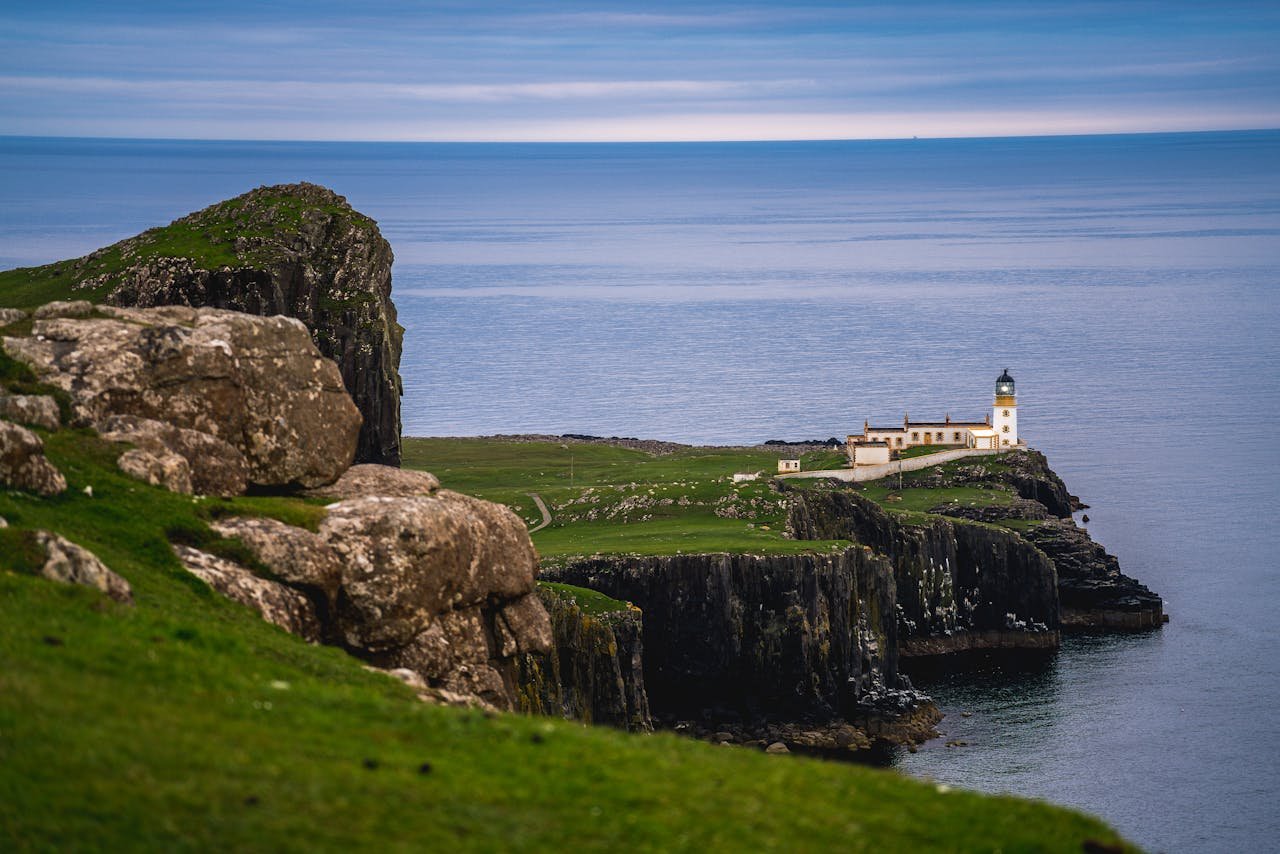
Have you ever stood at the edge of a mist-draped loch, waiting for a mythical creature to break the surface? Or felt the chilling, historic wind whip through the ruins of a 13th-century castle? Scotland is not just a place on a map; it is a profound experience that seeps into your bones. From the echoing bagpipes in ancient city squares to the rugged, untamed beauty of the Highlands, the travel destinations in Scotland offer a tapestry of wild adventures, deep history, and unparalleled romance.
Whether you are packing up a campervan for an epic road trip or planning a luxurious train journey through the mountains, this comprehensive guide will walk you through the absolute best travel destinations in Scotland. Grab a cup of tea (or perhaps a dram of local whisky), and let us dive into the ultimate Scottish adventure.
Why Scotland Should Be Your Next Adventure
Before we pinpoint the exact locations, let’s talk about why Scotland demands your attention. Unlike many heavily manicured tourist spots across Europe, Scotland retains a raw, visceral edge. The weather is unpredictable—you might experience four seasons in a single hour—but that is exactly what breathes life into the dramatic lighting, the lush green glens, and the brooding, atmospheric skies.
- The Right to Roam: Scotland has incredibly progressive outdoor access rights. This means you can respectfully hike, camp, and explore almost anywhere without facing restrictive trespassing laws.
- Rich Folklore and History: Every rock, glen, and castle has a story. From the fierce Highland clans to the legendary tales of fairies and kelpies.
- Diverse Landscapes: Within a few hours’ drive, you can transition from cosmopolitan, Michelin-starred cities to completely desolate, snow-capped mountain passes.
Top Urban Travel Destinations in Scotland
Let us begin where most journeys start: the bustling, culturally rich cities. Scotland’s urban centers are vibrant, deeply historic, and incredibly welcoming.
1. Edinburgh: The Gothic Masterpiece
Edinburgh is a city split in two. You have the winding, claustrophobic, and utterly fascinating medieval alleys of the Old Town, seamlessly contrasting with the sweeping, elegant Georgian terraces of the New Town.
What to do:
- Conquer Arthur’s Seat: Start your morning with a brisk hike up this dormant volcano located right in the city center. The panoramic views of the city skyline meeting the sea are breathtaking.
- Explore Edinburgh Castle: Housing the Honours of Scotland (the crown jewels), this fortress dominates the city’s skyline.
- Walk the Royal Mile: Stretching from the Castle down to the Palace of Holyroodhouse, this historic street is packed with pubs, street performers, and hidden “closes” (narrow alleyways).
- Festival Season: If you visit in August, the city transforms. The Edinburgh Festival Fringe is the largest arts festival in the world, turning every pub, street corner, and theater into a stage.
2. Glasgow: The Cultural Powerhouse
If Edinburgh is the historic soul of Scotland, Glasgow is its beating, modern heart. Often overlooked by international travelers rushing to the Highlands, Glasgow is the UK’s UNESCO City of Music and boasts some of the finest Victorian architecture in the world.
What to do:
- Kelvingrove Art Gallery and Museum: A stunning building housing everything from Salvador Dalí masterpieces to ancient arms and armor. Admission is free!
- The West End: Wander through the bohemian West End, grab a coffee on Ashton Lane, and admire the Gothic spires of the University of Glasgow (which looks remarkably like Hogwarts).
- Music and Nightlife: Catch a live gig at iconic venues like King Tut’s Wah Wah Hut or the Barrowland Ballroom.
3. Dundee: The Design Capital
Located on the east coast, Dundee has undergone a massive waterfront regeneration. It is a city of “jute, jam, and journalism,” now reborn as a UNESCO City of Design.
What to do:
- V&A Dundee: Scotland’s first design museum is an architectural marvel designed by Kengo Kuma, shaped like the prow of a ship jutting out into the River Tay.
- RRS Discovery: Step aboard the very ship that took Captain Scott to Antarctica.
The Call of the Wild: The Scottish Highlands
When people search for travel destinations in Scotland, they are usually dreaming of the Highlands. This region covers the northern two-thirds of the country and offers some of the most dramatic scenery on Earth.
4. Glencoe: The Weeping Glen
There is a heavy, almost sorrowful magic in Glencoe. Formed by ancient glaciers and volcanic explosions, the towering peaks here are a hiker’s paradise, but they also hold a dark history—the infamous 1692 Massacre of Glencoe.
What to do:
- Drive the A82: Simply driving through the glen is an experience. Pull over at the Three Sisters viewpoint for an iconic photograph.
- Hiking: For experienced climbers, the Aonach Eagach ridge offers a thrilling (and terrifying) scramble. For a more relaxed walk, head into the Hidden Valley (Coire Gabhail).
5. Loch Ness and Inverness
Inverness is the capital of the Highlands and the perfect basecamp for exploring the legendary Loch Ness.
What to do:
- Monster Hunting: Take a cruise on the deep, murky waters of Loch Ness. Even if Nessie doesn’t make an appearance, the scale of the loch is awe-inspiring.
- Urquhart Castle: Explore the romantic ruins perched right on the edge of the loch.
- Culloden Battlefield: Just outside Inverness, stand on the haunting moor where the 1745 Jacobite Rising came to a tragic end.
6. Fort William and Ben Nevis
Known as the “Outdoor Capital of the UK,” Fort William sits in the shadow of Britain’s highest mountain, Ben Nevis.
What to do:
- Summit Ben Nevis: The Mountain Track (Tourist Path) allows reasonably fit walkers to reach the 1,345-meter summit. Check the weather first!
- The Jacobite Steam Train: Harry Potter fans will know this as the Hogwarts Express. The journey from Fort William to Mallaig, crossing the spectacular Glenfinnan Viaduct, is frequently voted the greatest railway journey in the world.
7. Cairngorms National Park
The largest national park in the UK, the Cairngorms offer a massive playground for nature lovers. It is home to five of the UK’s six highest mountains and incredible wildlife.
What to do:
- Wildlife Spotting: Look out for golden eagles, red squirrels, and the UK’s only free-ranging herd of reindeer.
- Snowsports: In winter, visit the Glenshee or Cairngorm Mountain ski centers.
- Balmoral Castle: Visit the Scottish holiday home of the Royal Family (open to the public when the royals are not in residence).
The Enchanting Scottish Islands
No list of travel destinations in Scotland is complete without mentioning the islands. Each island has its own distinct personality, microclimate, and traditions.
8. The Isle of Skye: The Winged Isle
Skye is arguably the most famous Scottish island, known for its otherworldly landscapes and rugged Cuillin mountain range. Because of its popularity, visiting during the shoulder seasons (Spring or Autumn) is highly recommended.
What to do:
- The Old Man of Storr: A steep hike takes you up to this iconic, jagged basalt pinnacle that overlooks the Sound of Raasay.
- The Quiraing: A geological wonder offering sweeping, dramatic vistas that look like they belong on another planet.
- The Fairy Pools: Crystal clear, icy blue pools fed by mountain waterfalls at the foot of the Black Cuillins. Perfect for a brave wild swim!
- Dunvegan Castle: The oldest continuously inhabited castle in Scotland and the ancestral home of the Clan MacLeod.
9. The Orkney Islands: A Step Back in Time
Located off the north coast of mainland Scotland, Orkney is a paradise for archaeology enthusiasts. The density of prehistoric sites here is staggering.
What to do:
- Skara Brae: Explore a stone-age village that is older than the Great Pyramids and Stonehenge, preserved perfectly under sand for thousands of years.
- The Ring of Brodgar: A massive, awe-inspiring Neolithic stone circle set in a natural amphitheater of lochs and hills.
- Italian Chapel: A beautiful, highly ornate Catholic chapel built by Italian prisoners of war during WWII using limited scavenged materials.
10. The Shetland Islands: The Viking Frontier
Even further north than Orkney, Shetland feels almost more Nordic than Scottish. The landscape is treeless, dramatic, and wild, surrounded by the fierce North Sea.
What to do:
- Up Helly Aa: If you visit in January, you can witness Europe’s largest fire festival, where locals dress as Vikings and burn a replica longship to celebrate their Norse heritage.
- Jarlshof: An incredible archaeological site containing ruins from the Bronze Age, Iron Age, Pictish, Norse, and Medieval eras all layered on top of each other.
- Wildlife Watching: The cliffs of Shetland are teeming with puffins, gannets, and you might even spot an orca hunting close to the shore.
11. Isle of Mull and Iona
A short ferry ride from Oban brings you to the Isle of Mull, known for its colorful main town of Tobermory and incredible wildlife.
What to do:
- Tobermory: Stroll along the harbor front lined with brightly painted houses and visit the local distillery.
- Iona: Take a small passenger ferry from Mull to the tiny island of Iona, the cradle of Christianity in Scotland. The atmosphere here is incredibly peaceful, and the historic Abbey is a must-see.
- Fingal’s Cave (Staffa): Take a boat trip to the uninhabited island of Staffa to see this terrifyingly beautiful sea cave formed by hexagonal basalt columns.
The Ultimate Road Trip: The North Coast 500 (NC500)
If you are researching travel destinations in Scotland, you have undoubtedly stumbled upon the NC500. Billed as Scotland’s answer to Route 66, this 500-mile circular route begins and ends in Inverness, taking you through the most remote, spectacular coastal scenery of the North Highlands.
Highlights of the Route:
- Bealach na Bà: A terrifying, twisting, single-track mountain pass that leads to the Applecross Peninsula. Not recommended for large motorhomes or faint hearts!
- Smoo Cave: A dramatic sea cave near Durness with a spectacular indoor waterfall.
- Achmelvich Beach: You will rub your eyes in disbelief—the white sand and turquoise water look like the Caribbean, until you feel the temperature of the water!
- Dunrobin Castle: A stunning, French-château-style castle with impeccable gardens and daily falconry displays.
Hidden Gems: Off the Beaten Path
Step away from the crowds and discover the quieter, yet equally mesmerizing travel destinations in Scotland. (Let’s keep these our little secret, shall we?)
12. The Devil’s Pulpit (Finnich Glen)
Located just outside Glasgow, a slippery, ancient stone staircase drops you down into a deep, moss-covered gorge. The water here runs a bizarre, vivid blood-red color due to the red sandstone beneath. It feels like stepping into a dark fairytale.
13. Galloway Forest Park
Located in the often-ignored southwest corner of Scotland (Dumfries and Galloway), this massive forest park was the UK’s first designated Dark Sky Park. Because there is virtually no light pollution, it is one of the best places in Europe to stargaze and, if you are lucky, catch the Northern Lights (Aurora Borealis).
14. The East Neuk of Fife
A string of picturesque, historic fishing villages lined up along the coast south of St Andrews. Places like Pittenweem, Crail, and Anstruther feature cobbled streets, red-tiled roofs, and arguably the best fish and chips in the entire United Kingdom.
Essential Travel Tips for Visiting Scotland
To ensure your trip to these incredible travel destinations in Scotland is seamless, keep these practical tips in mind:
- Master the Layers: The saying “there is no such thing as bad weather, only bad clothing” was likely invented in Scotland. Dress in layers. Bring a high-quality waterproof jacket and sturdy, waterproof hiking boots. Umbrellas are generally useless against the sideways Scottish wind.
- Driving Etiquette: If you are driving in the Highlands, you will encounter single-track roads. Always use the designated “passing places” to let oncoming traffic pass, and always pull over to let faster drivers behind you overtake. Give a friendly wave of thanks!
- The Midge Menace: If you visit the Highlands and Islands between late May and September, be prepared for midges—tiny, biting flying insects that swarm in damp, still conditions. Buy a local repellent called “Smidge” and pack a head net.
- Book Well in Advance: Scotland’s infrastructure in rural areas is limited. During the summer peak season, accommodation, ferries, and even dinner reservations in small villages book up months in advance.
- Apps to Download: * Park4Night: Essential for finding safe, legal overnight parking if you are traveling in a campervan.
- Traveline Scotland: The best app for navigating public transport, ferries, and bus schedules.
Frequently Asked Questions
What is the best month to visit Scotland?
May and September are generally considered the best months. You avoid the extreme peak crowds of July and August, the midge population is lower, and the weather is often surprisingly dry and clear. October is also beautiful for autumn foliage.
How many days do you need to see Scotland?
While you could spend a weekend doing a city break in Edinburgh, to truly experience the main travel destinations in Scotland, you need a minimum of 7 to 10 days. If you want to drive the NC500 or do extensive island hopping, 14 to 21 days is ideal.
Is Scotland expensive to visit?
It can be, depending on your travel style. Wild camping is legal and free, and buying food from supermarkets keeps costs incredibly low. However, luxury hotels, guided tours, and dining out in major cities are on par with prices in London or Paris.
Do I need a car to travel around Scotland?
You do not need a car to travel between major cities (Edinburgh, Glasgow, Stirling, Inverness) as the train and bus networks are excellent. However, if you want to explore the remote Highlands, hidden lochs, and smaller islands, renting a car or campervan is highly recommended for flexibility.
What is the most beautiful part of Scotland?
Beauty is subjective, but Glencoe and the Isle of Skye consistently rank as the most visually stunning regions due to their dramatic mountain ranges, deep lochs, and sheer, moody atmosphere.