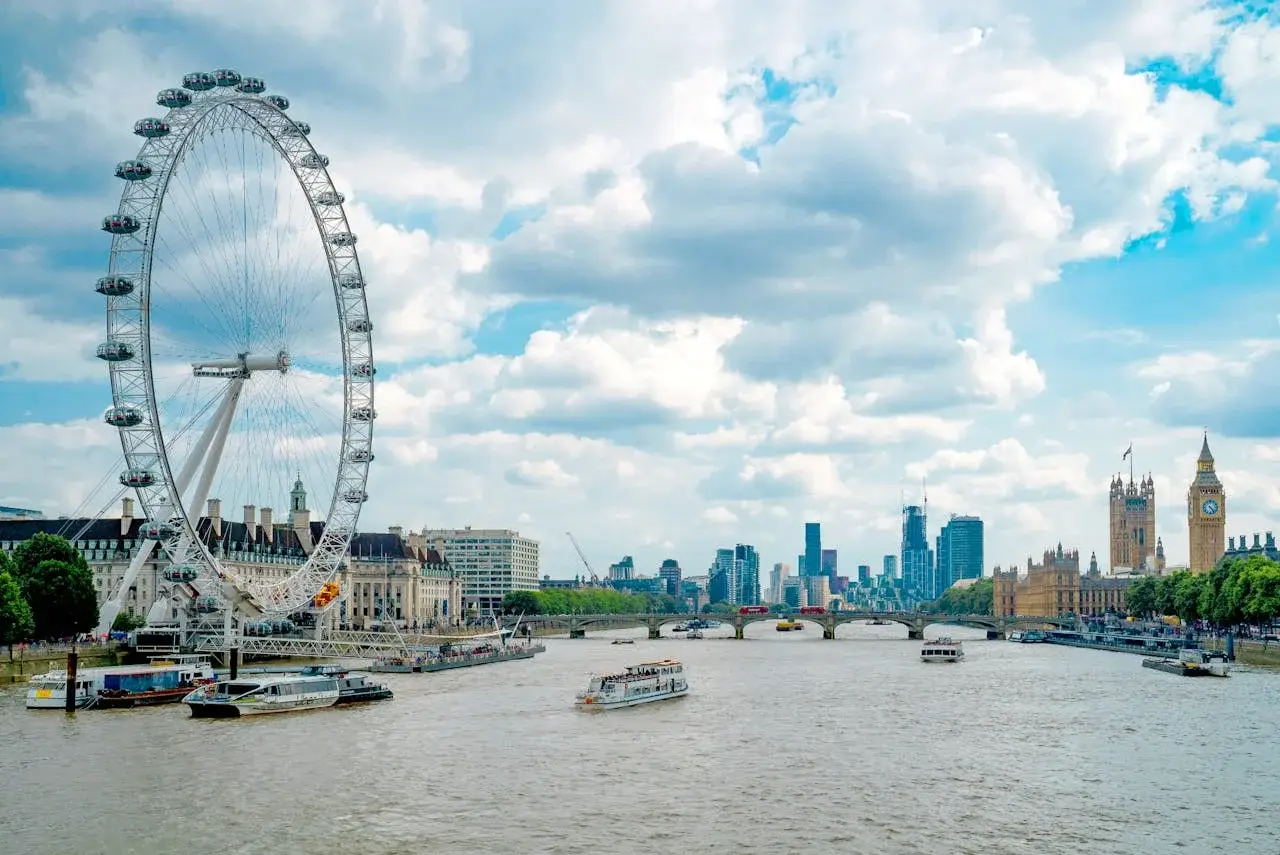
London stands as one of the world’s most captivating capitals, where centuries of history blend seamlessly with modern innovation. The places to visit in London range from iconic royal palaces to cutting-edge art galleries, making it a destination that satisfies every type of traveler. Whether you’re drawn to Shakespeare’s Globe Theatre, the bustling markets of Camden, or the serene beauty of Hyde Park, London offers an endless array of experiences waiting to be discovered.
Best Time to Visit London for Perfect Weather
The best time to visit London largely depends on what you want from your trip. Late spring through early fall (May to September) offers the warmest weather and longest daylight hours, making it ideal for outdoor exploration and sightseeing. During these months, temperatures typically range from 15°C to 23°C (59°F to 73°F), perfect for walking through the city’s many parks and outdoor markets.
Summer months (June to August) represent peak tourist season, bringing vibrant street festivals, outdoor theater performances, and the famous Chelsea Flower Show. However, this popularity means larger crowds and higher accommodation prices. The best time to visit London for budget-conscious travelers might be during the shoulder seasons of late spring (April-May) or early autumn (September-October), when the weather remains pleasant but crowds thin out considerably.
Winter in London (December to February) has its own magical appeal, especially during the holiday season. Christmas markets, ice skating rinks, and festive window displays transform the city into a winter wonderland. While temperatures hover around 2°C to 8°C (36°F to 46°F), the cozy atmosphere of traditional pubs and the reduced tourist crowds make winter an excellent time for those seeking a more intimate London experience.
Understanding London Weather Throughout the Year
London weather is famously unpredictable, earning the city its reputation for sudden showers and changeable conditions. The maritime climate means mild temperatures year-round, but visitors should always be prepared for rain regardless of the season. London weather patterns show that the city receives rainfall throughout the year, with October and November typically being the wettest months.
Spring brings gradually warming temperatures and blooming flowers in the city’s numerous parks. Cherry blossoms in Greenwich Park and daffodils in St. James’s Park create stunning backdrops for photography. Summer offers the most stable weather, though occasional thunderstorms can provide dramatic relief from warm afternoons.
Autumn showcases London at its most photogenic, with golden leaves carpeting Hyde Park and Hampstead Heath. The crisp air and clear skies often provide excellent visibility for viewing the city from heights like the London Eye or The Shard. Winter fog, while less common than in Victorian times, can still create atmospheric scenes around the Thames, adding mystery to evening walks along the South Bank.
Top Things to Do in London for Every Traveler
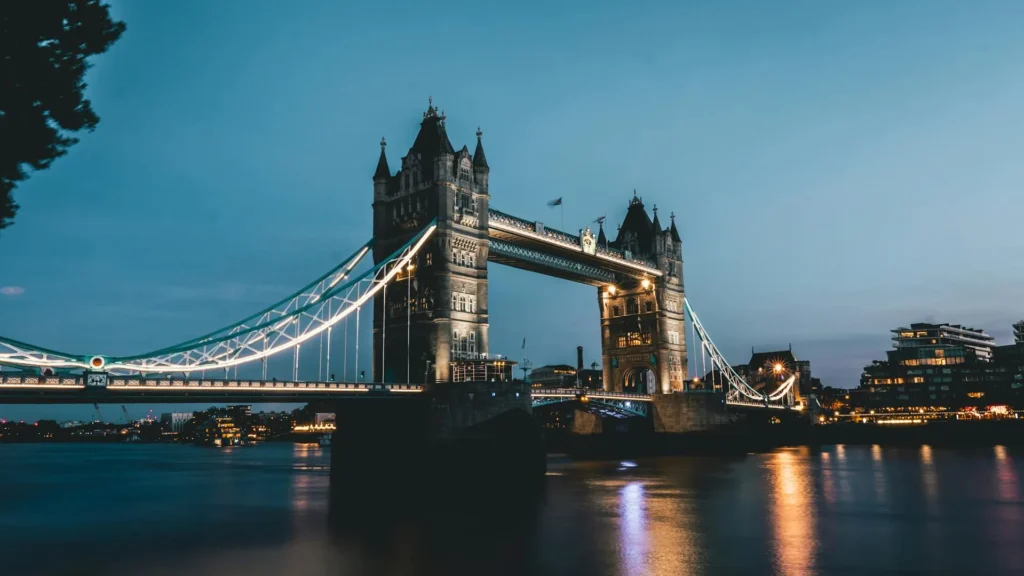
The things to do in London span centuries of culture, from ancient Roman walls to contemporary art installations. The Tower of London stands as perhaps the most historically significant attraction, housing the Crown Jewels and nearly 1,000 years of royal history. Visitors can explore the medieval fortress, meet the famous Beefeater guards, and learn about the tower’s role as a royal palace, prison, and execution site.
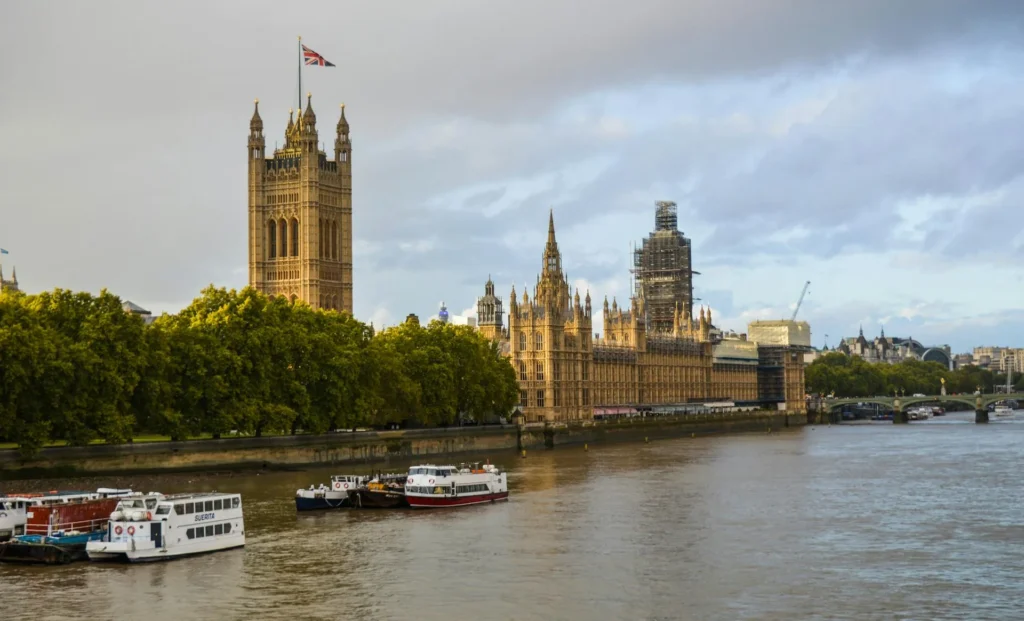
Westminster Abbey represents another must-see destination, where British monarchs have been crowned for nearly a millennium. The Gothic architecture houses the tombs of poets, scientists, and royalty, including the Poets’ Corner where literary giants like Chaucer and Dickens rest. Nearby, the Houses of Parliament and Big Ben create one of London’s most recognizable skylines.
The British Museum offers free admission to one of the world’s greatest collections of human artifacts. From the Rosetta Stone to Egyptian mummies, the museum’s eight million objects span cultures and continents. Similarly, the National Gallery houses masterpieces by Van Gogh, Da Vinci, and Turner, all viewable without charge.
Modern London attractions include the London Eye, offering panoramic views across the capital, and the Tate Modern, showcasing contemporary art in a former power station. The West End theater district provides world-class entertainment, from long-running musicals like “The Lion King” to cutting-edge new productions.
Borough Market represents London’s culinary heart, where artisanal food vendors offer everything from traditional British fare to international delicacies. The market’s 1,000-year history makes it both a cultural experience and a gastronomic adventure.
Royal parks provide green escapes within the urban environment. Hyde Park’s Speaker’s Corner has hosted public speeches for over 150 years, while Regent’s Park houses both London Zoo and stunning rose gardens. Greenwich Park offers maritime history alongside beautiful views of the London skyline.
London Safety: What Travelers Need to Know
London safety standards rank among the highest globally, making it an excellent destination for solo travelers, families, and first-time international visitors. The Metropolitan Police maintain a visible presence throughout tourist areas, and the city’s extensive CCTV network provides additional security coverage.
Petty crime, primarily pickpocketing, represents the most common safety concern for visitors. Crowded areas like Oxford Street, major train stations, and popular attractions require standard urban awareness. Keeping valuables secure and remaining alert in busy areas prevents most incidents.
London’s public transportation system maintains excellent safety records. The Underground (Tube) operates comprehensive security measures, including British Transport Police presence and emergency communication systems. Night Tube services on weekends provide safe late-night travel options, though staying aware of surroundings remains important.
Emergency services respond quickly throughout London, with the universal emergency number 999 connecting callers to police, fire, or medical assistance. NHS walk-in centers and hospital emergency departments provide medical care, though travel insurance remains recommended for international visitors.
The city’s diverse neighborhoods each maintain their own character and safety profiles. Central London tourist areas like Covent Garden, South Bank, and the West End see regular police patrols and have well-lit streets. Residential areas like Notting Hill, Greenwich, and Richmond offer safe exploration opportunities with local community presence.
Exploring London History Through Its Landmarks
London history spans over 2,000 years, from Roman Londinium to the modern global metropolis. The places to visit in London tell this story through architecture, museums, and preserved historical sites that bring the past to life.
Roman London’s legacy survives in scattered ruins throughout the city. The London Wall, built around 200 AD, still stands in sections near the Barbican Centre. The Museum of London provides context for these ancient foundations, displaying artifacts from Roman daily life and explaining how the Thames settlement grew into a major trading center.
Medieval London emerges through landmarks like the Tower of London and Westminster Abbey. The Great Fire of 1666 destroyed much of medieval London, but Christopher Wren’s rebuilding efforts created architectural masterpieces including St. Paul’s Cathedral. The cathedral’s dome dominated London’s skyline for centuries and provided a symbol of resilience during World War II bombing raids.
Georgian London’s elegant squares and terraces define much of central London’s character. Bloomsbury’s garden squares, Marylebone’s grand terraces, and Mayfair’s exclusive streets showcase 18th-century urban planning that influenced city design worldwide. The British Museum, built during this period, reflects the era’s confidence and imperial ambitions.
Victorian London transformed the city into the world’s largest metropolis. The Houses of Parliament, rebuilt after an 1834 fire, exemplify Gothic Revival architecture. The Underground system, begun in 1863, revolutionized urban transportation. Victorian engineering achievements like Tower Bridge and the Albert Memorial demonstrate the era’s technological optimism.
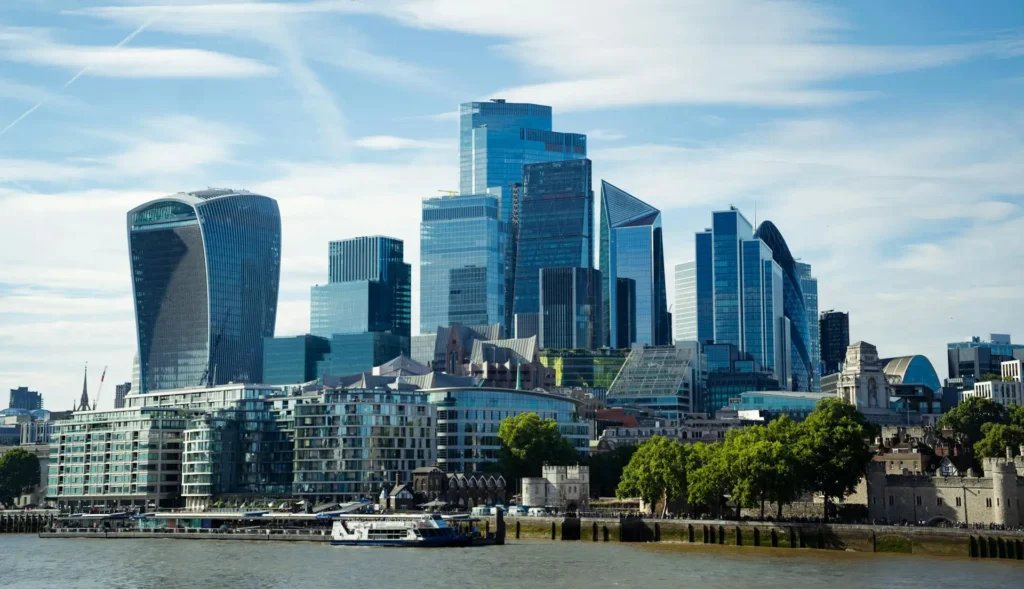
Modern London history includes survival during the Blitz, post-war reconstruction, and transformation into a global financial center. The South Bank’s cultural complex, built for the 1951 Festival of Britain, represents post-war renewal. More recent additions like the Millennium Bridge and The Shard continue London’s architectural evolution.
Planning Your London Adventure
London rewards both careful planning and spontaneous exploration. The places to visit in London offer such variety that multiple trips barely scratch the surface. Start with the major attractions to understand the city’s scope, then explore neighborhoods that match your interests.
The city’s excellent public transportation makes navigation straightforward, while walking reveals hidden details that buses and trains miss. Many of London’s greatest pleasures – from street markets to historic pubs – cost little or nothing, making it accessible regardless of budget.
London’s position as a global hub means it connects easily with the rest of Europe and beyond, but the city itself provides enough experiences for any length of stay. Whether you have a weekend or a month, London’s combination of history, culture, and modern energy creates memories that last a lifetime.
2 thoughts on “Places to Visit in London – Your Complete Travel Guide”